Contents
Doha is a car-first city: roads are wide, distances between places are significant, and parallel parking is a skill the government tests you on before you get your license. Valet parking, paid zones, free residential streets — the options are broader than most newcomers expect.
Whether you're new to the country or just navigating a busy Friday night near Souq Waqif, knowing the basics saves you time and a 300 QAR fine.
What types of parking are available in Qatar?
Qatar's parking landscape divides into five broad categories. Paid zones cover high-demand urban areas such as West Bay and Msheireb Downtown and are managed by specialized operators, such as Mawaqif Qatar. Free street parking remains common in residential neighborhoods and suburban areas — look for unmarked curbs and no signage. Parking at malls and attractions is widely available and often free for visitors, though some charge for extended stays. Valet parking is common at hospitals, hotels, and upscale restaurants, typically priced between 30 and 60 QAR. Finally, the Park & Ride network — connected to Doha Metro stations at Al Wakra, Lusail, Al Qassar, and Education City — offers free parking with direct metro access into the city center.
How do you pay for parking in Doha?
Payment methods vary by location, but QR codes are the most common option across Doha's organized parking facilities — scan at the barrier or kiosk, pay, and go. No app, no registration needed.
Some locations — like Al Bidda Park — also accept SMS payment. Send your vehicle plate number via SMS to 922229 — a dedicated parking payment short code — and payment is processed directly. Others have physical kiosks where you can pay by card or cash. Most managed facilities offer a combination of these.
For specific districts, two dedicated apps are worth having:
Mawaqif Qatar app: Recommended for anyone regularly parking at Hamad International Airport and Hotel Park. Entry and exit are tracked via license plate recognition. You can pay through the app or by scanning your ticket at the barrier.
Here is how to sign up and get started:
1. Download the Mawaqif Qatar app
2. Choose Sign up
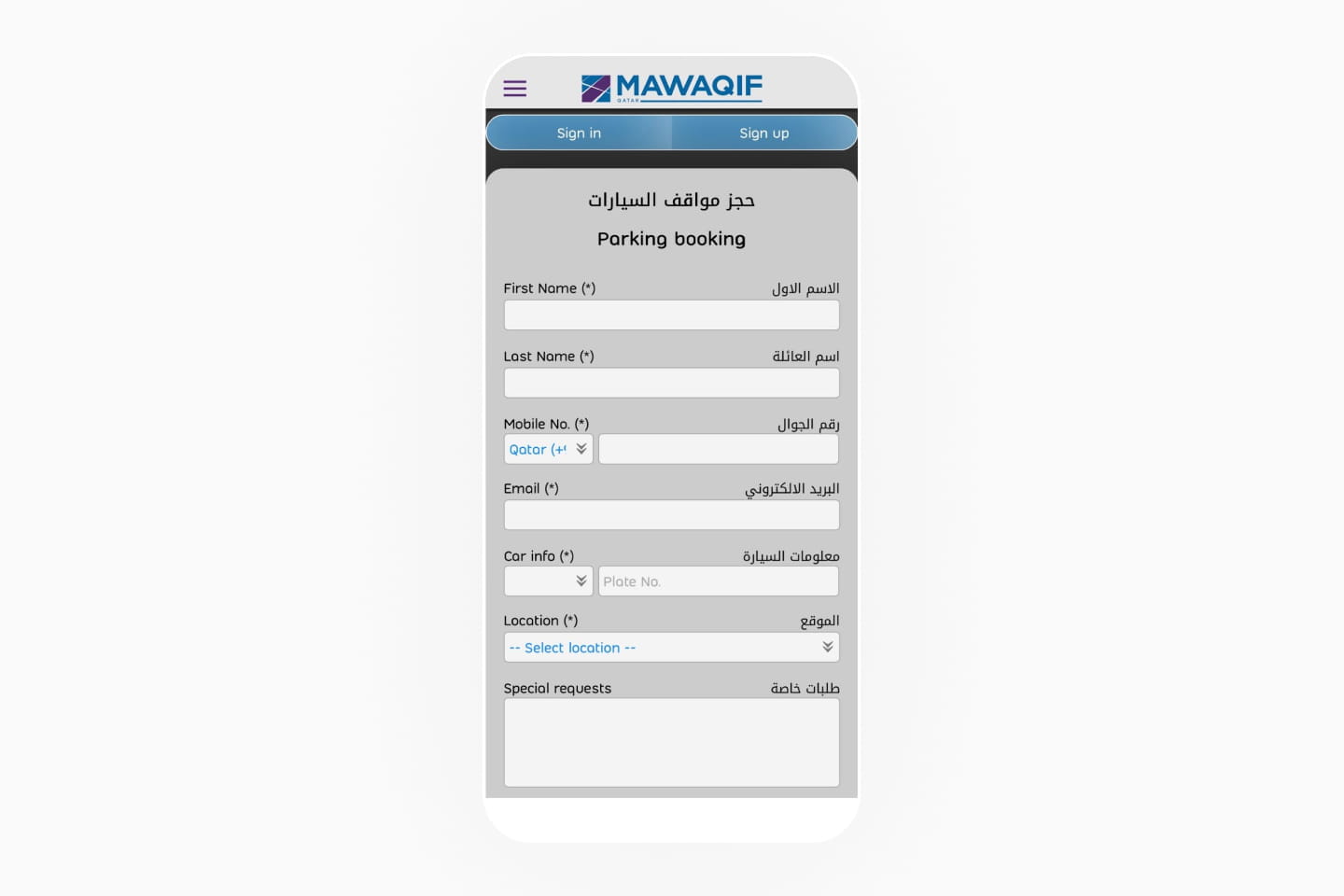
3. Create your account by filling in your mobile number, name, and email address
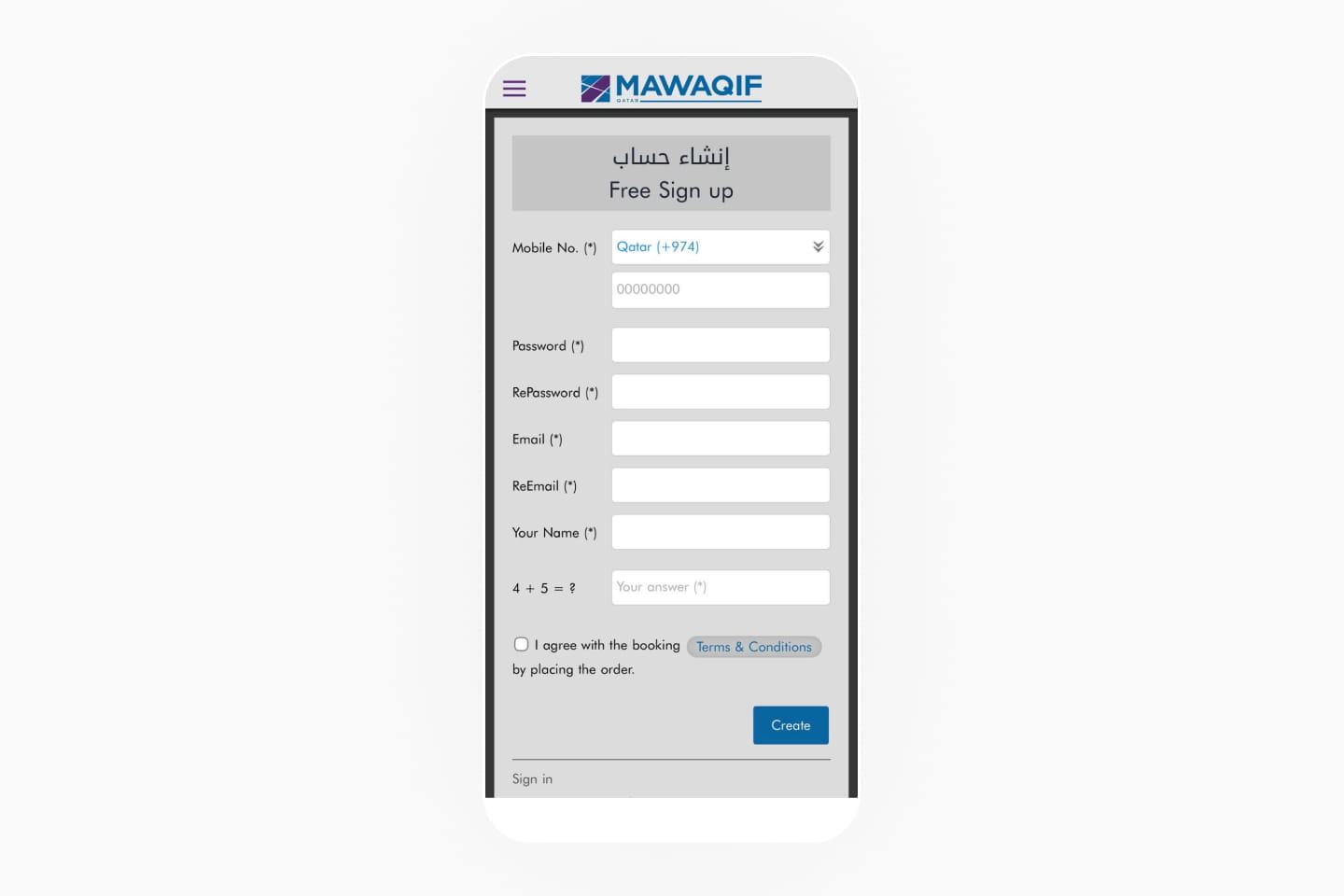
4. Enter the activation code sent to your phone
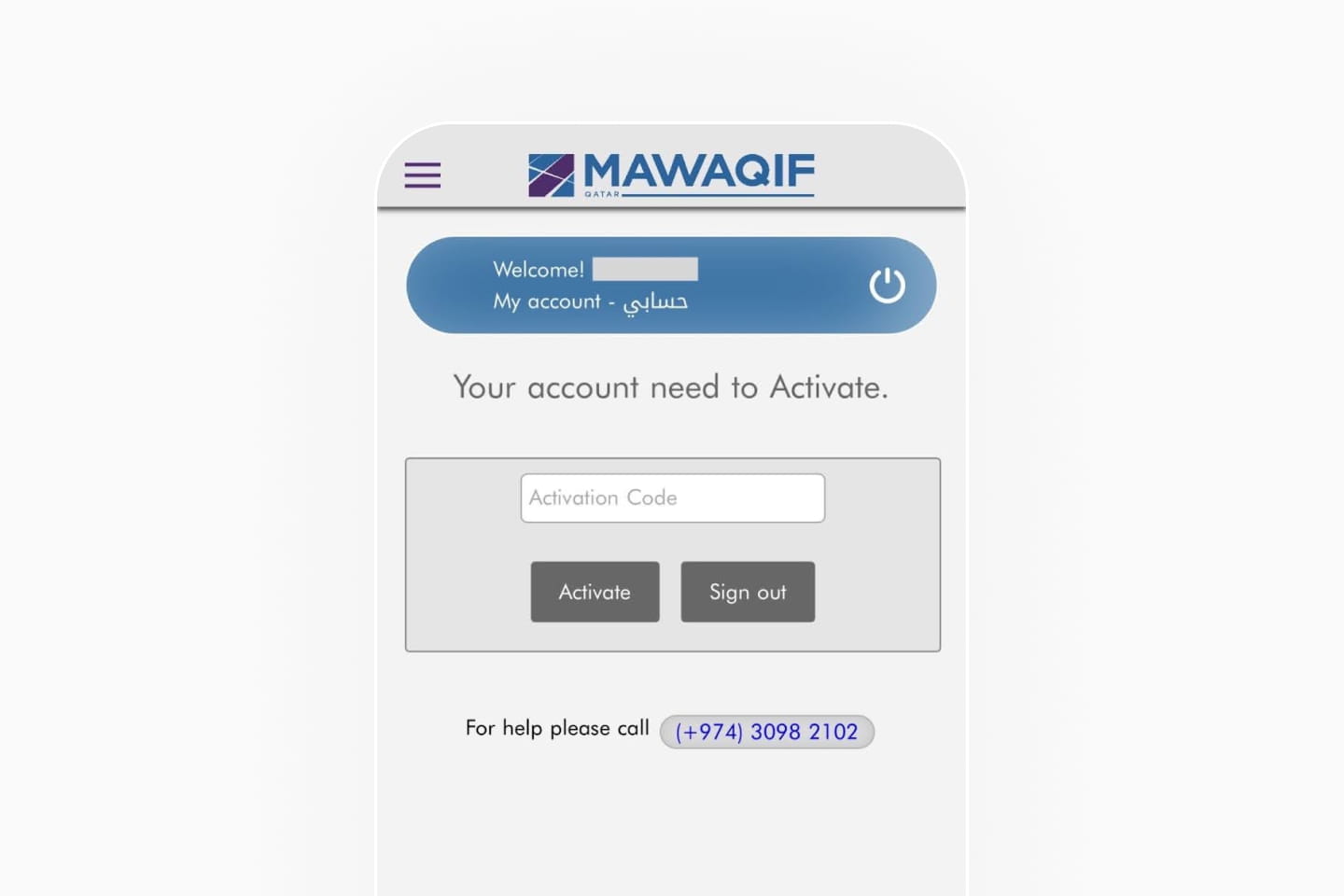
5. Edit your details (optional)
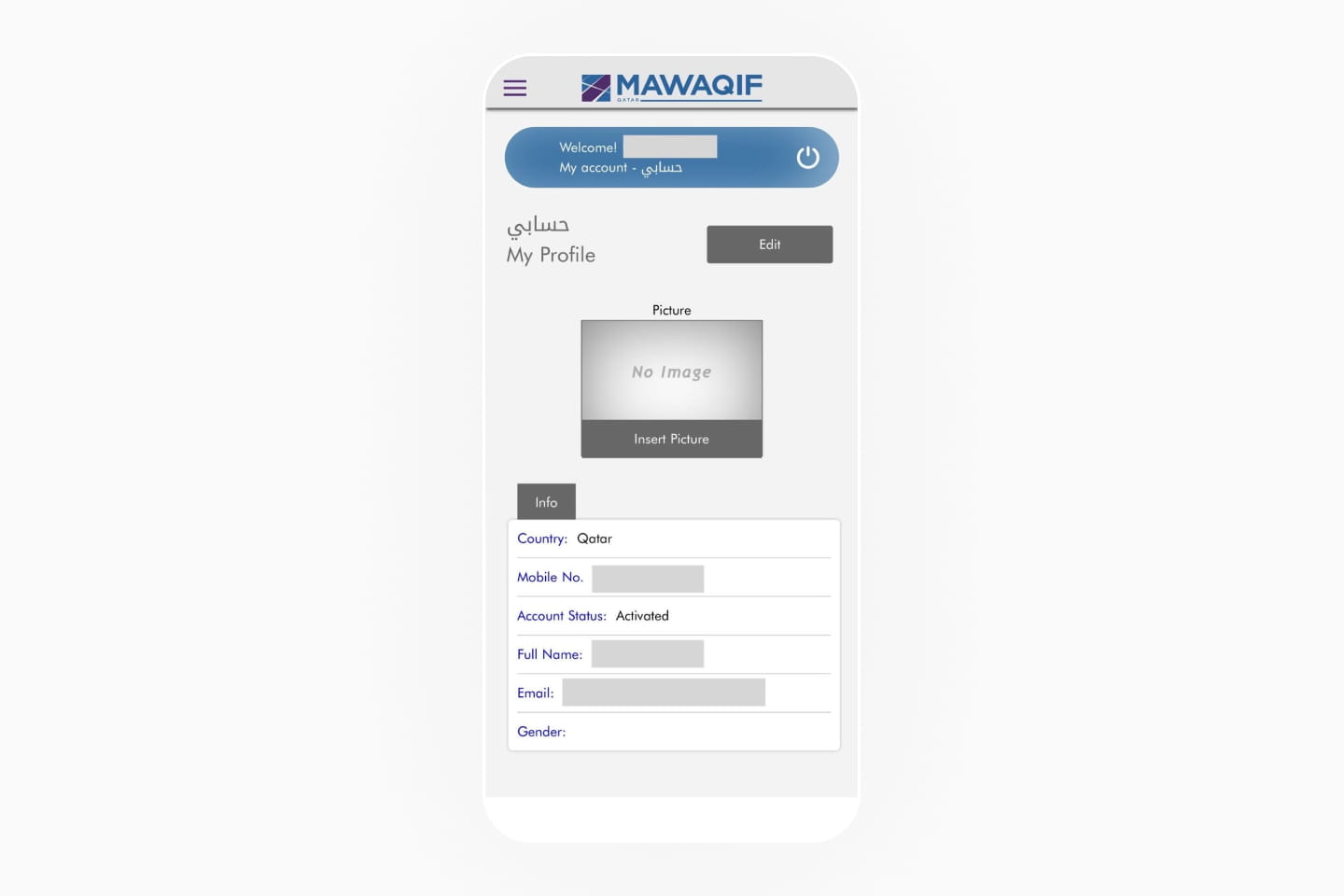
6. Fill in your details and submit
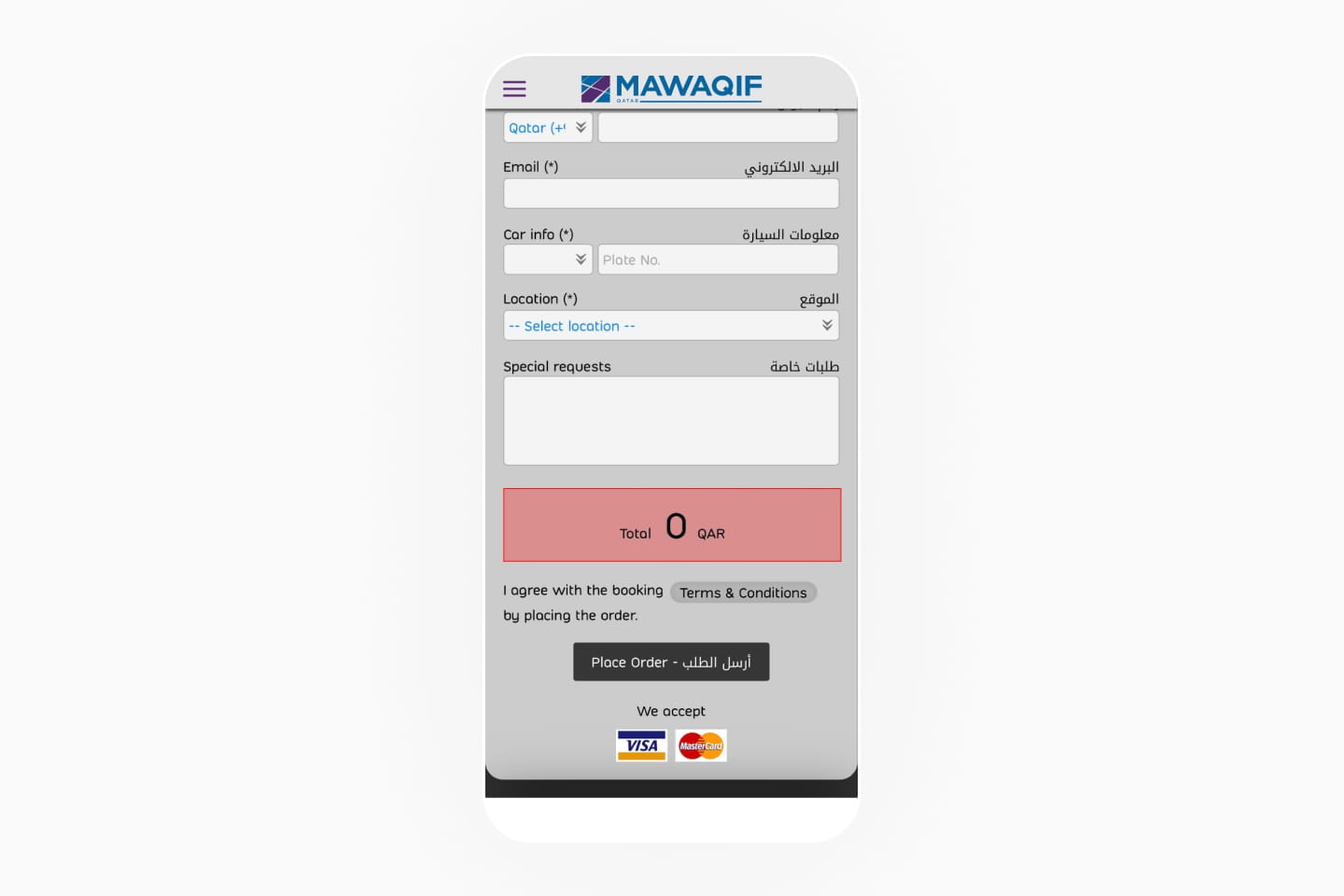
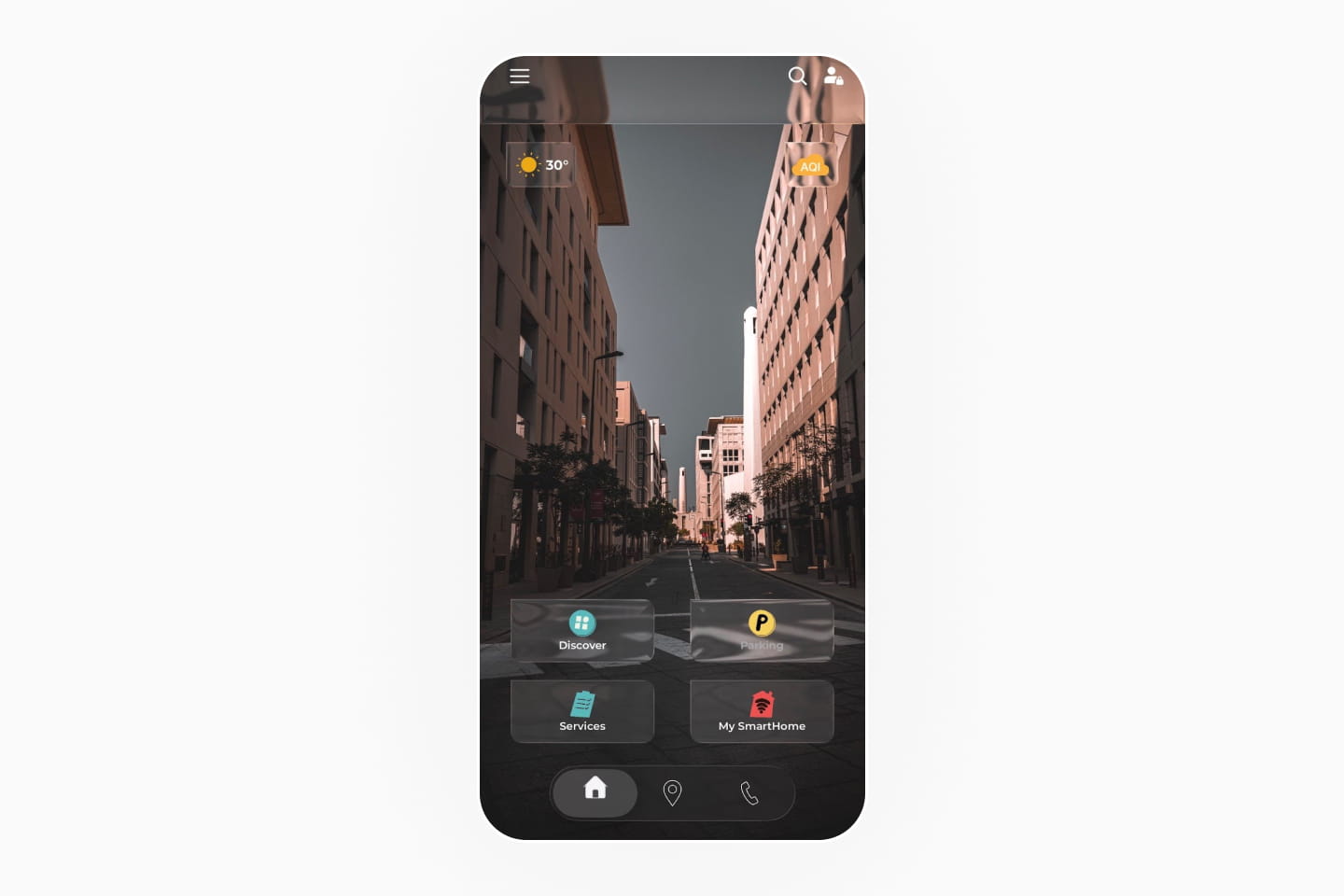
Msheireb Downtown Doha app: Designed specifically for the Msheireb district car park. It lets you pay for parking, remember where you left your car, and find it again if you've lost track across its six underground levels.
Here is how to register and use it:
1. Download the app ( iOS or Google Play)
2. Tap Parking
3. Choose Pay Your Parking Fees
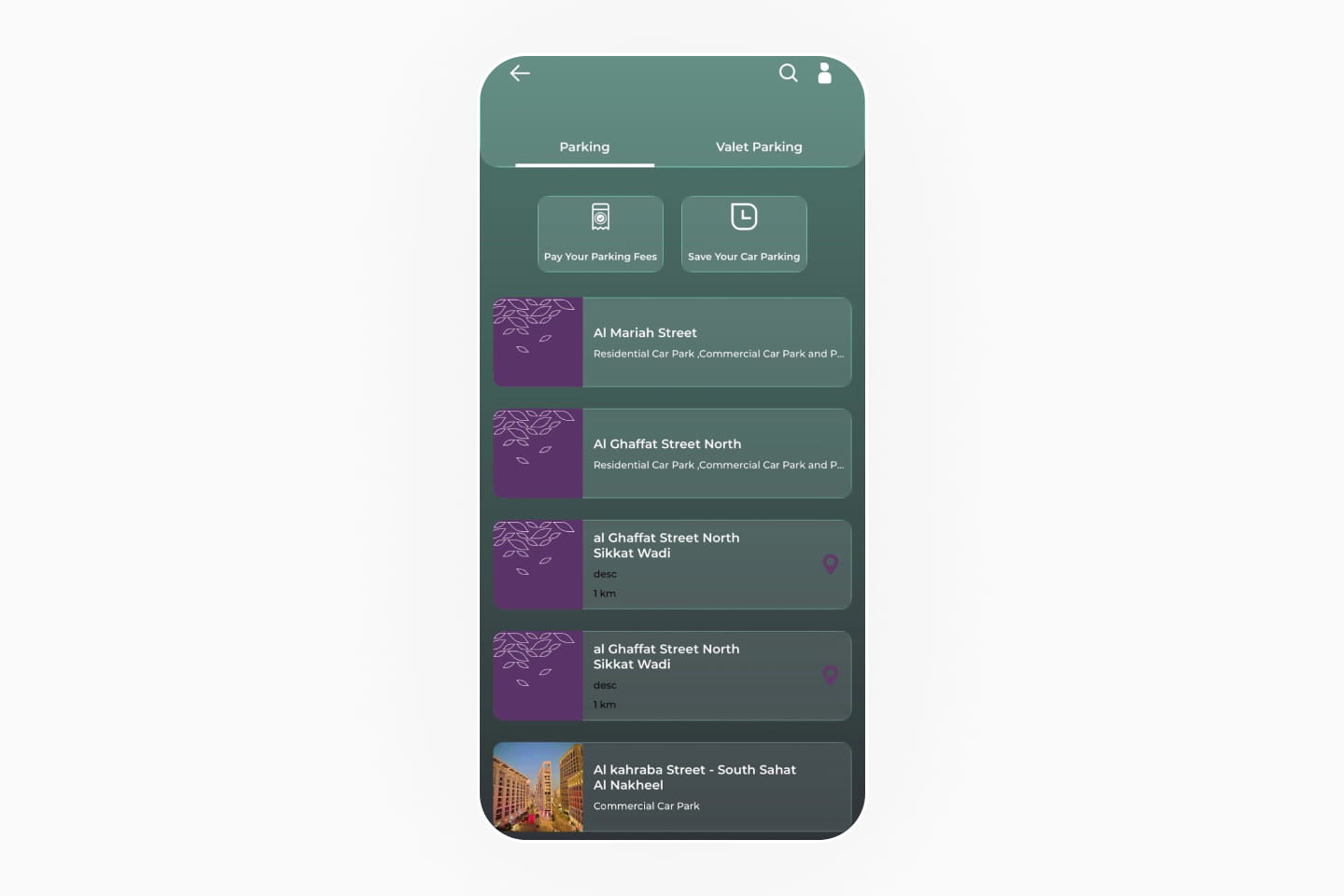
4. Sign up by entering your mobile number and email address
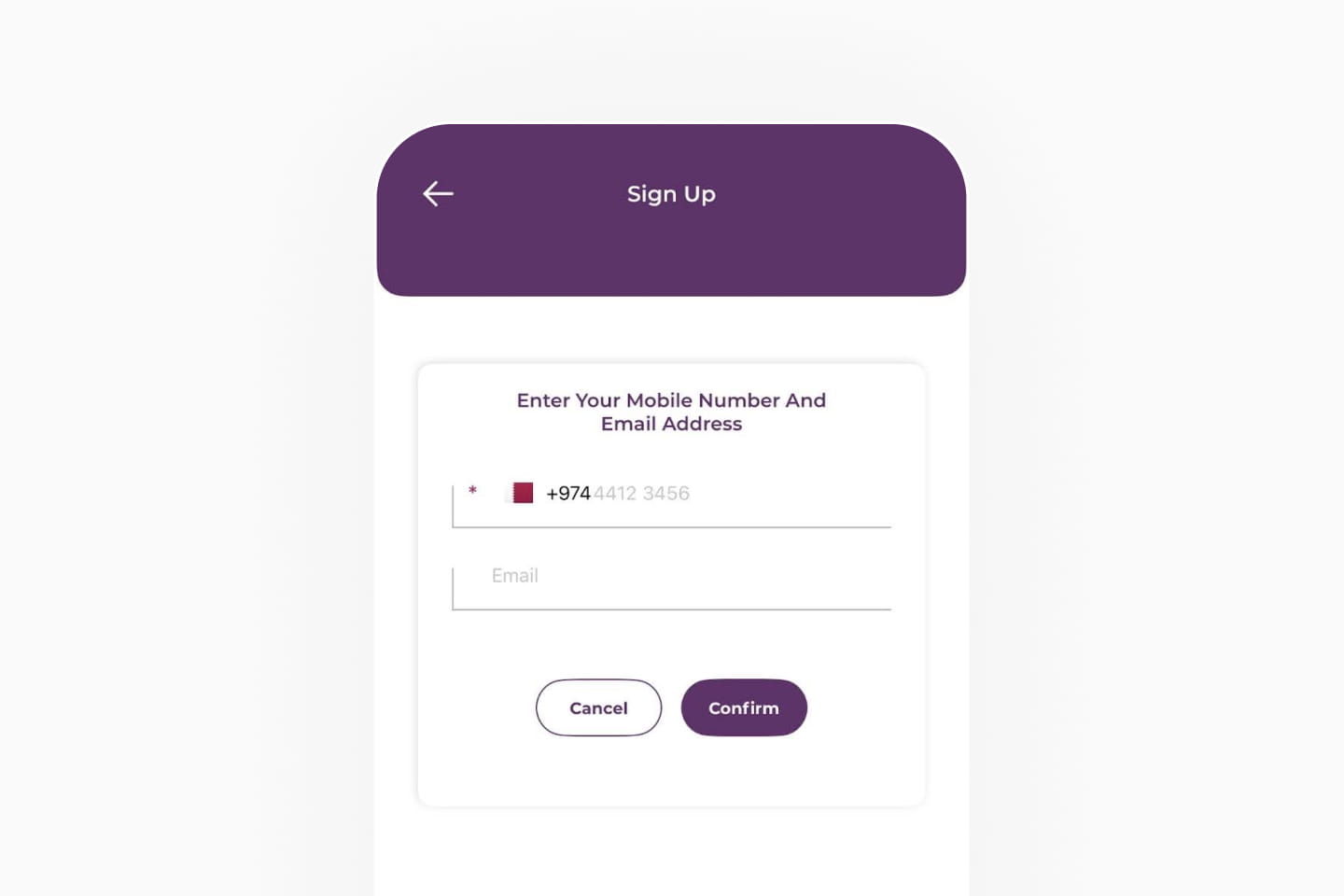
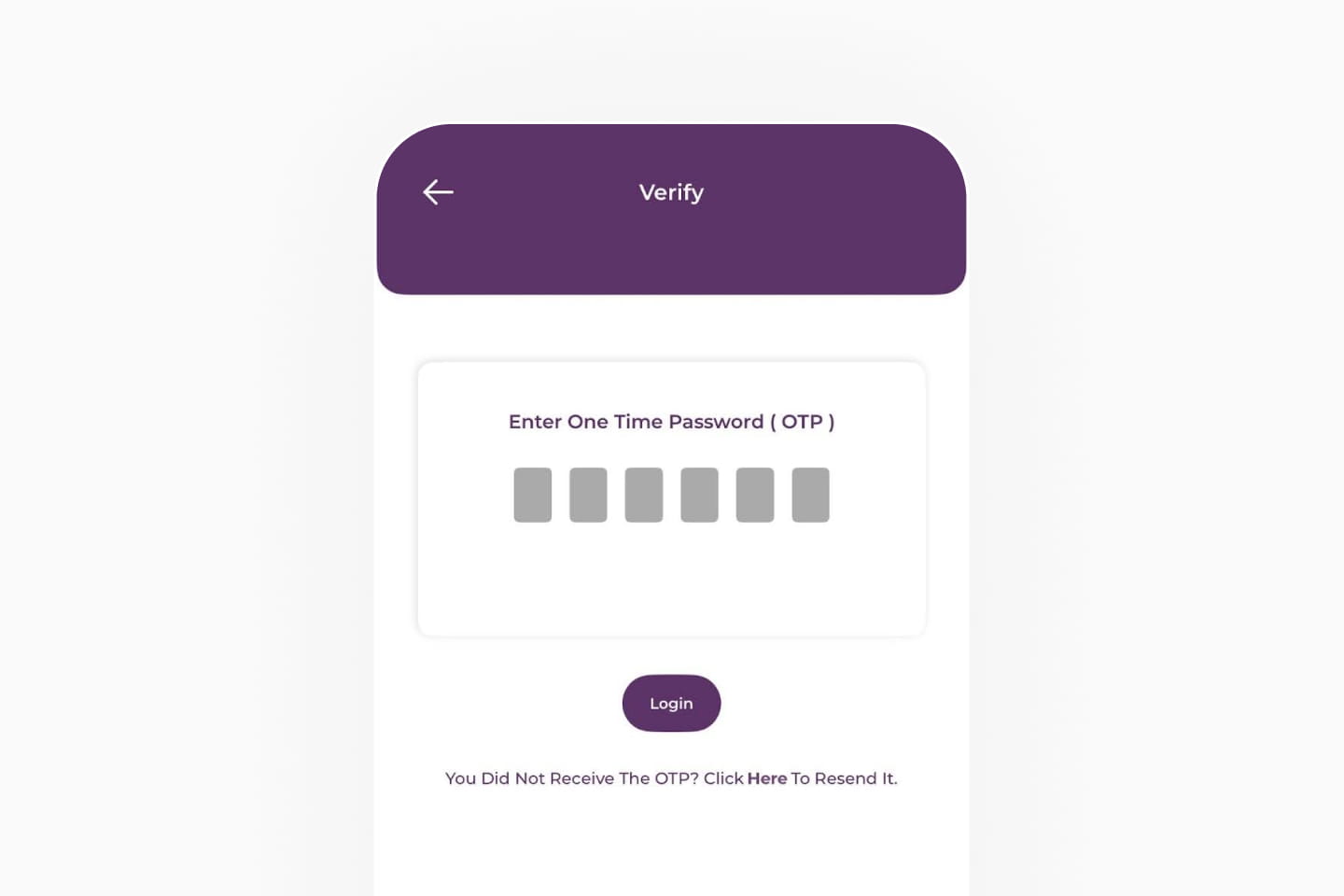
5. Verify via OTP sent to your registered mobile number
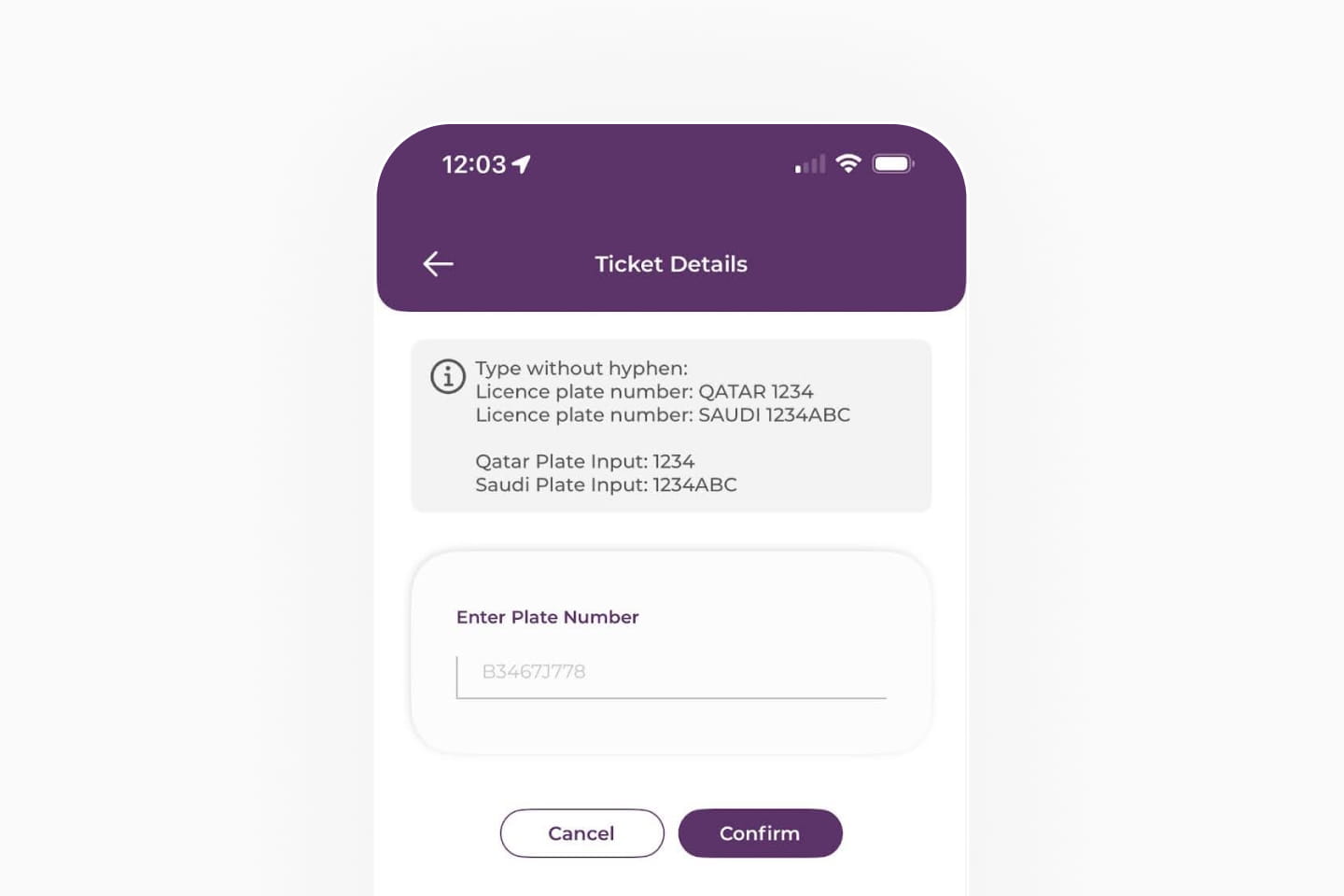
6. Enter your plate number
7. Proceed to pay
Both apps are optional — you can always fall back to the QR code or kiosk — but they save time if you park in those areas regularly.
Where is parking free in Doha?
Free on-street parking remains common in residential districts and quieter streets. If there are no barriers, no signage, and no yellow or red curb markings, you are generally safe to park without charge.
Park & Ride facilities at Al Wakra, Lusail, Al Qassar, and Education City metro stations are free and a practical way to get into central Doha without dealing with paid zones or peak-hour congestion.
How does parking work at Souq Waqif?
Souq Waqif is one of the busiest areas in Doha, especially on weekday evenings and weekends. A three-level underground facility can accommodate up to 2,000 vehicles, with entrance via Al Matar Street.
A practical tip many drivers miss: Souq Waqif and Msheireb Downtown are a short walk apart. Msheireb's underground facility — which holds a Guinness World Record as the largest underground car park, with 10,017 spaces across six levels — is often the more reliable option on busy nights when the Souq Waqif facility fills up. Park there, use the Msheireb app to track your car, and walk across.
Plan ahead regardless. Exits at both locations can back up during peak hours, and arriving before 7 PM on a weekend is a sensible move.
Do malls and museums have their own parking?
Yes — this is the norm across Qatar. Major shopping malls, including City Center, Villaggio, Doha Festival City, and Mall of Qatar, all have large dedicated car parks, most with a free grace period before charges apply.
Parking validation also goes beyond just spending at shops. If you visit a health clinic within the mall, use an in-house gym, or shop at a hypermarket, presenting your receipt or having your ticket stamped at the service desk is often enough to waive or reduce the fee. It varies by property, so check with whoever you are visiting.
Museums, including the Museum of Islamic Art and the National Museum of Qatar, as well as Katara Cultural Village, Al Maha Island, and The Pearl, all have dedicated parking. Evenings and weekends at popular venues can get congested. Valet options are available at select locations, typically priced between 30 and 60 QAR.
At Hamad International Airport, Mawaqif Qatar manages premium and pre-booked parking. Short-term parking costs roughly 15 QAR per hour, with a daily rate of 140–150 QAR. Our guide to Hamad Airport Parking covers full rates and options.
What are the parking fines in Qatar?
The MOI uses parking inspectors and cameras in busy districts to detect violations. Fines for parking violations typically range from QR 300 to QR 500, depending on the situation and whether the car is towed. Fines are issued electronically, linked to your plate, and will appear via the Metrash app and be notified by SMS.
According to the MOI Traffic Violation Department, the following parking offenses each carry a fine and three black points:
|
Violation |
Fine (QAR) |
|
Standard illegal parking |
300 |
|
Parking within 15m of crossroads, roundabouts, or pedestrian crossings |
300 |
|
Blocking traffic or emergency vehicles |
500 |
|
Misuse of accessible parking spaces |
500 |
A few rules that catch people off guard:
-
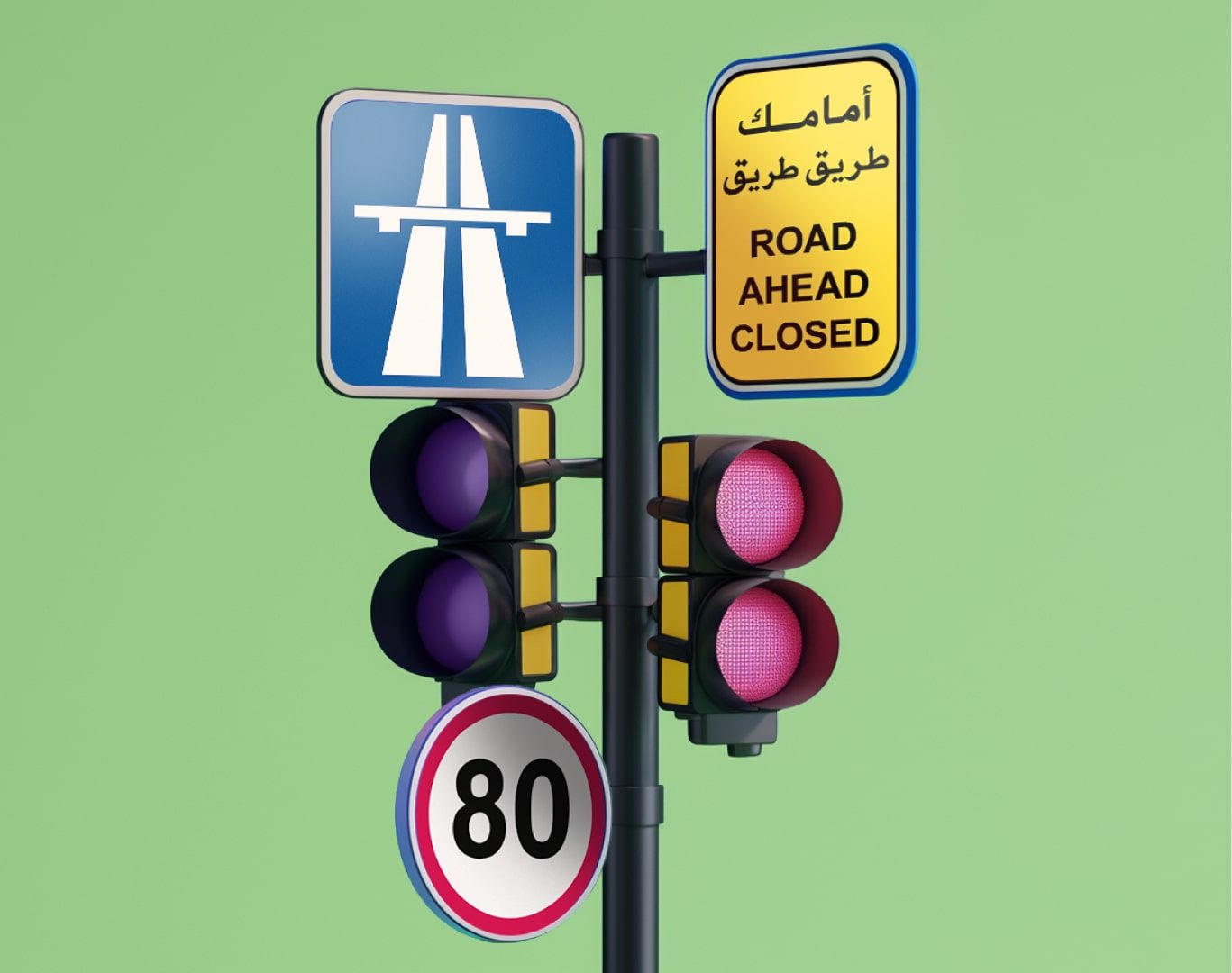
No parking signs and yellow or red curbs mean the same thing: stop here, and you will be fined. Both appear bilingually in Arabic and English across Doha
-
Hazard lights are not a permit. Switching them on while parked illegally does not protect you from a fine
-
Pavements and sidewalks are off-limits — this category accounts for a significant share of recorded violations
-
Parking in front of electrical substations is strictly prohibited. In an official post on its account, Kahramaa urged all drivers not to park or stop in front of electricity transmission and distribution stations, citing public safety and the need to ensure smooth operations
Is parking part of the Qatar driving license test?
Yes — the MOI organizes three tests in this order: Signal (Theory), then Parking, and then the Road test. You are only permitted to take the Road test after passing the Parking test.
The parking stage covers two maneuvers: L parking (perpendicular, using reverse) and P parking (parallel), both within marked bays, and must be passed on the same day.
It is worth taking this seriously. The parking stage catches many candidates off-guard — and it is a skill you will use throughout your time driving in Qatar. Our guides on the driving test and driving license renewal cover both processes in full. Once you have your license, make sure your car insurance is in order — it is a legal requirement in Qatar.
FAQ
Is parking in Qatar always paid?
Can I pay for parking without an app?
What do yellow kerbs mean in Qatar?
How do I pay a parking fine in Qatar?
Is valet parking common in Qatar?
What is the Park & Ride system in Qatar?
Do I need to pass a parking test for my driving license?
Can I leave my car parked long-term in Qatar?