
Contents
Whether you're upgrading your car or planning to leave the country, selling a vehicle in Qatar is straightforward when you're prepared. Buyers are generally well-informed and expect clear documentation, realistic pricing, and a car that accurately reflects its listing.
This guide walks you through the entire process — from assessing your car's condition and value to advertising it and completing the legal ownership transfer.
How to assess the condition and market value of your car?
You can assess the condition and market value of your car by first understanding its state — including mileage, service history, and any mechanical issues — and then comparing it with similar listings in Qatar. A professional inspection is highly recommended, especially if your car is more than 3 years old. Many garages and service centers in Qatar offer inspections for mechanical, safety, or performance issues. This helps you decide whether repairs are worth making.
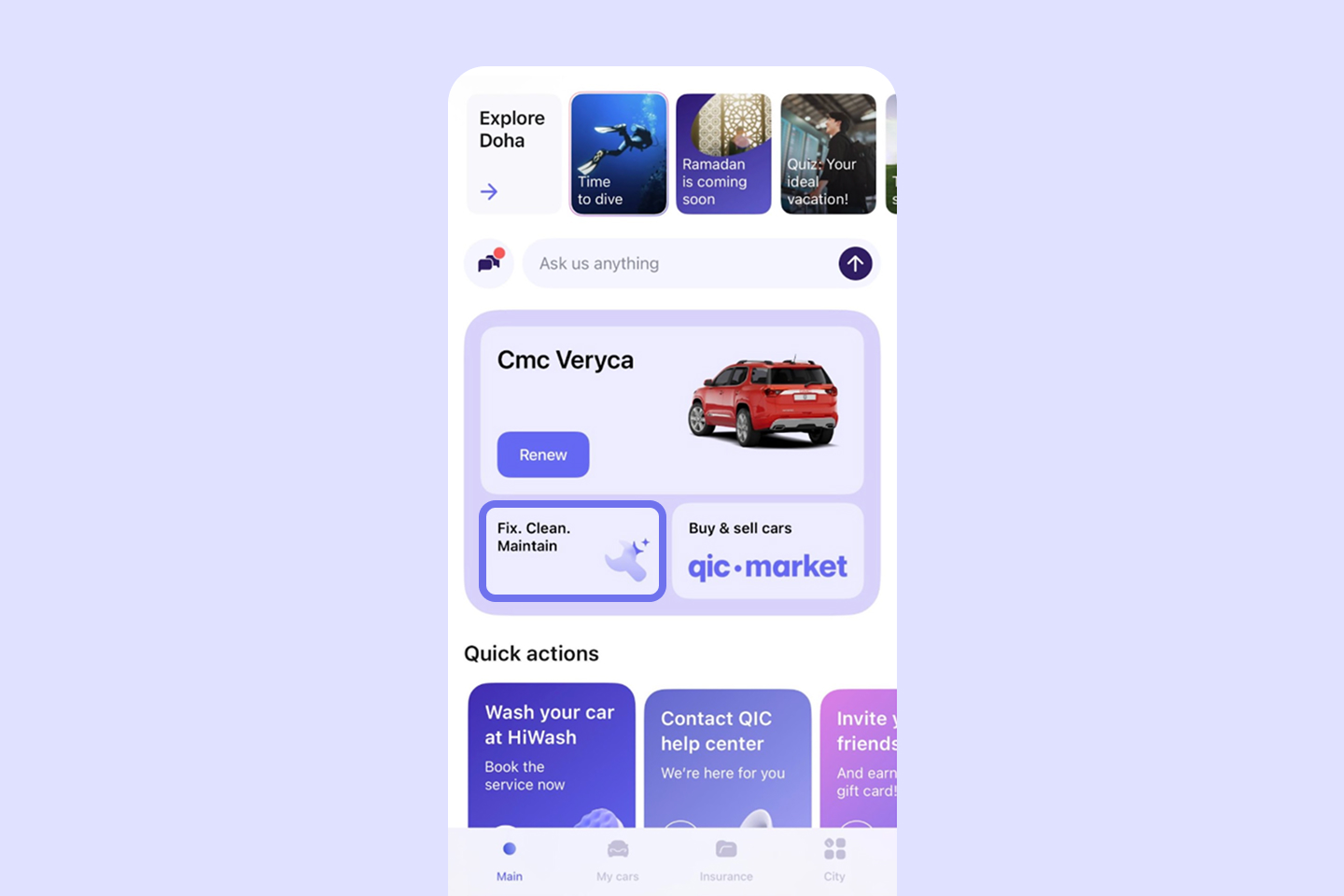
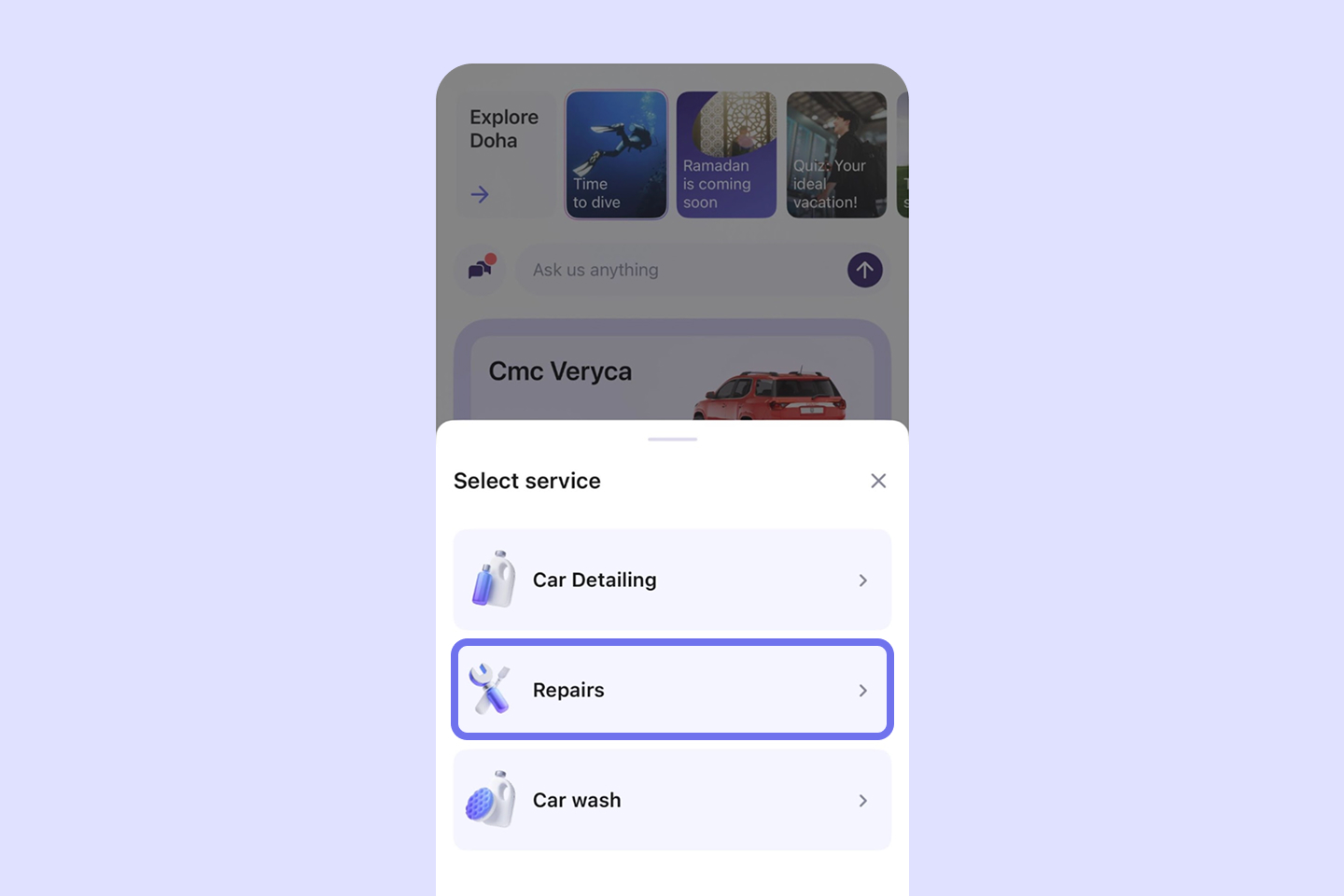
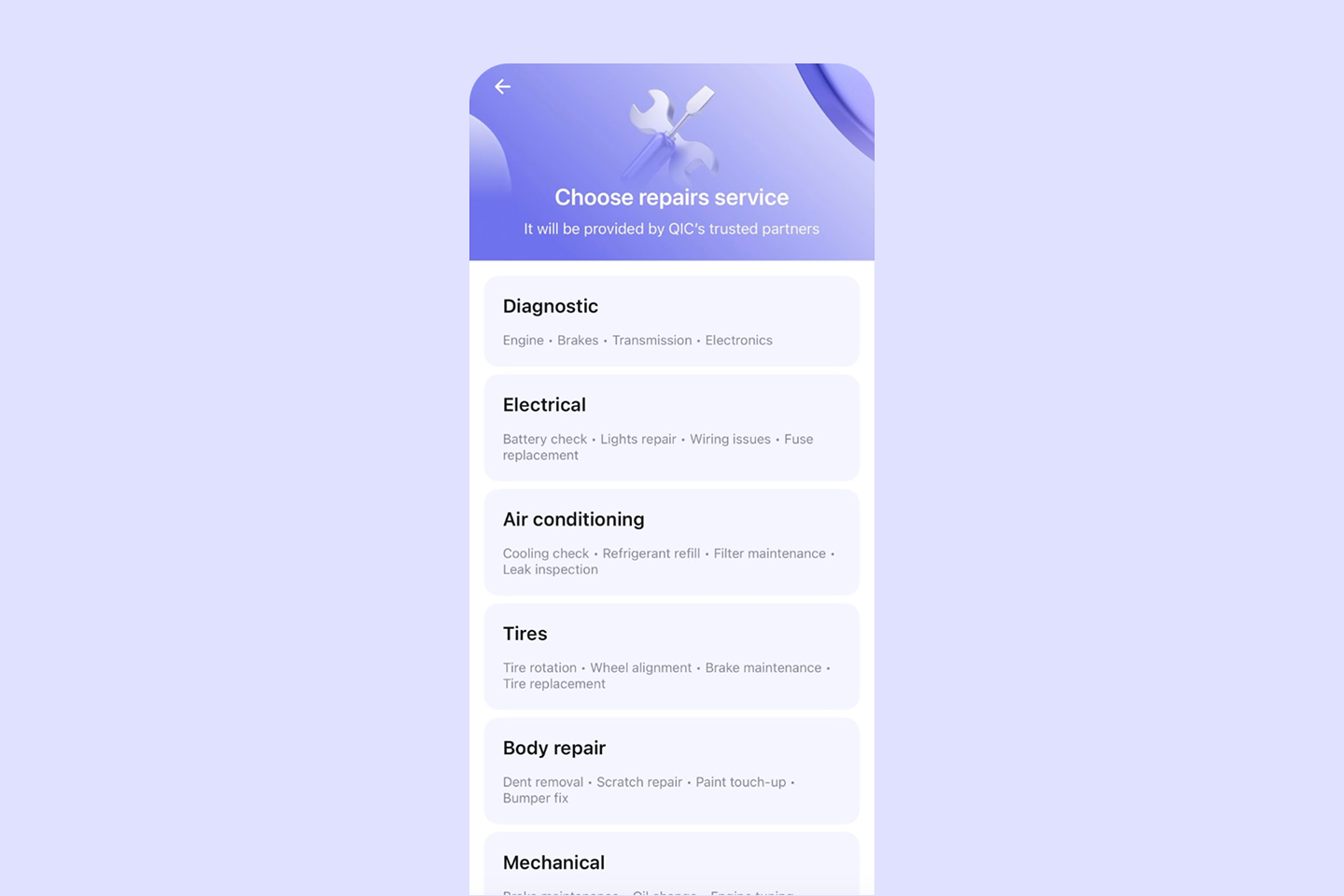
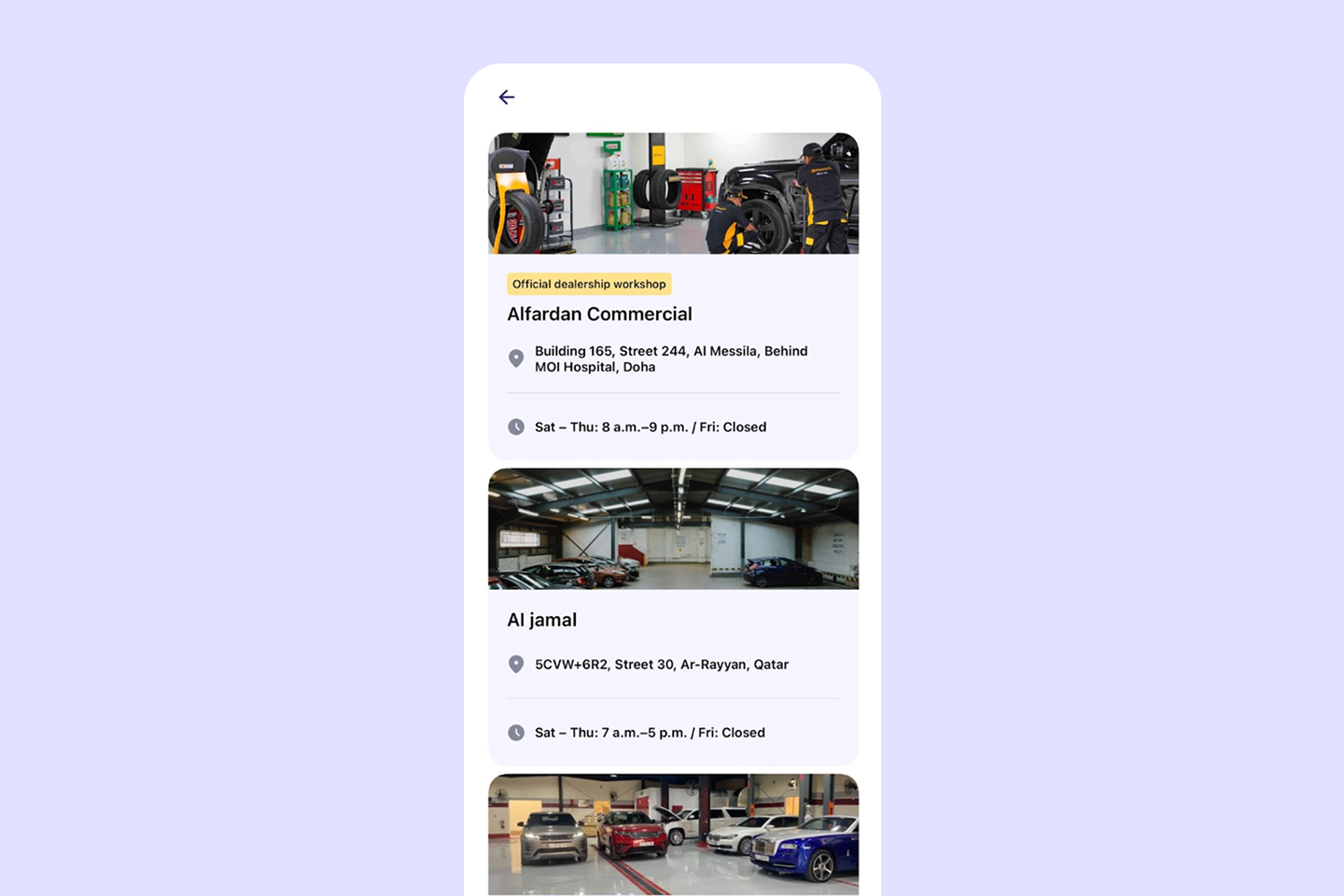
QIC App allows you to choose the repair you need and shows you suitable workshops:
1. Open the app and select Fix. Clean. Maintain
2. Select service: Repairs
3. Select repair type
4. See all suitable repair workshops
If you don't opt for a full vehicle inspection, a basic check at a local garage or an on-call service is still useful. Mechanics can quickly flag issues with tires, brakes, fluids, suspension, or lights. These are the details buyers often ask about during viewings.
Once you know your car's condition, research its market value. Look at listings in Qatar for similar vehicles with the same make, model, year, mileage, and specifications, such as the QIC Market. Cars priced too high tend to sit unsold, while realistically priced vehicles attract more serious buyers.
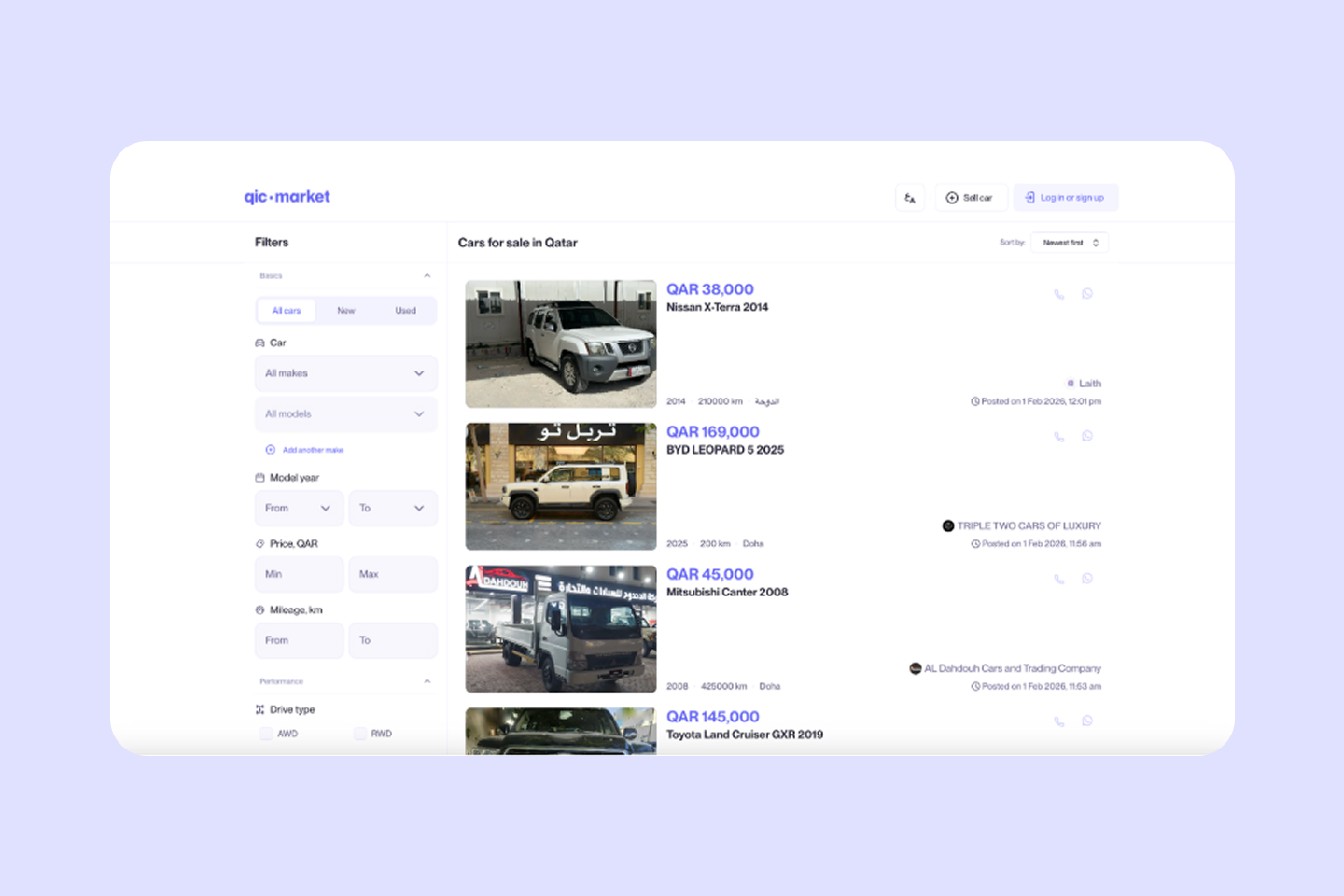
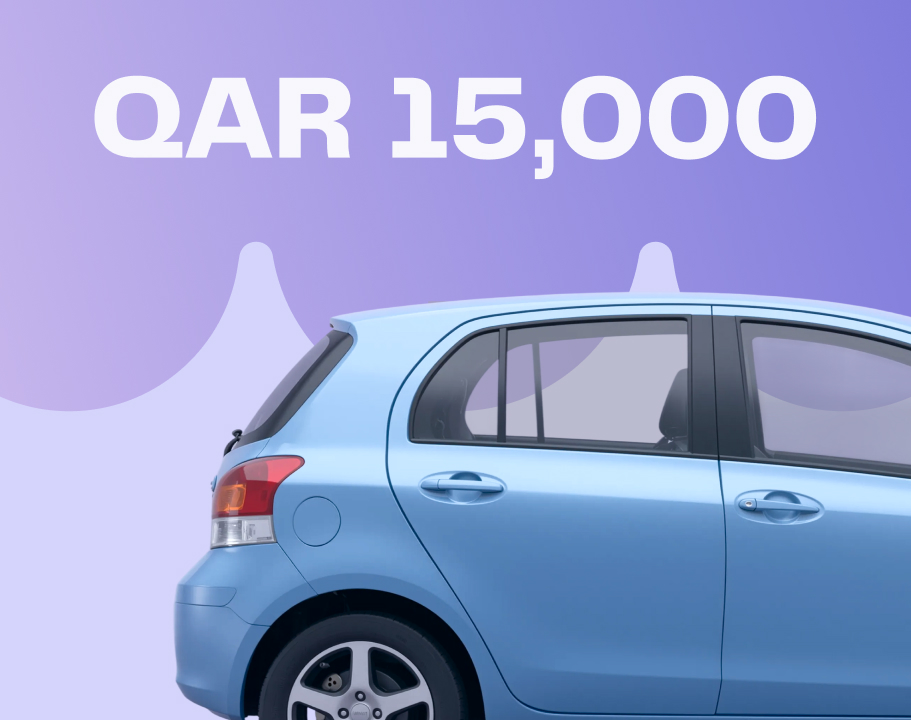
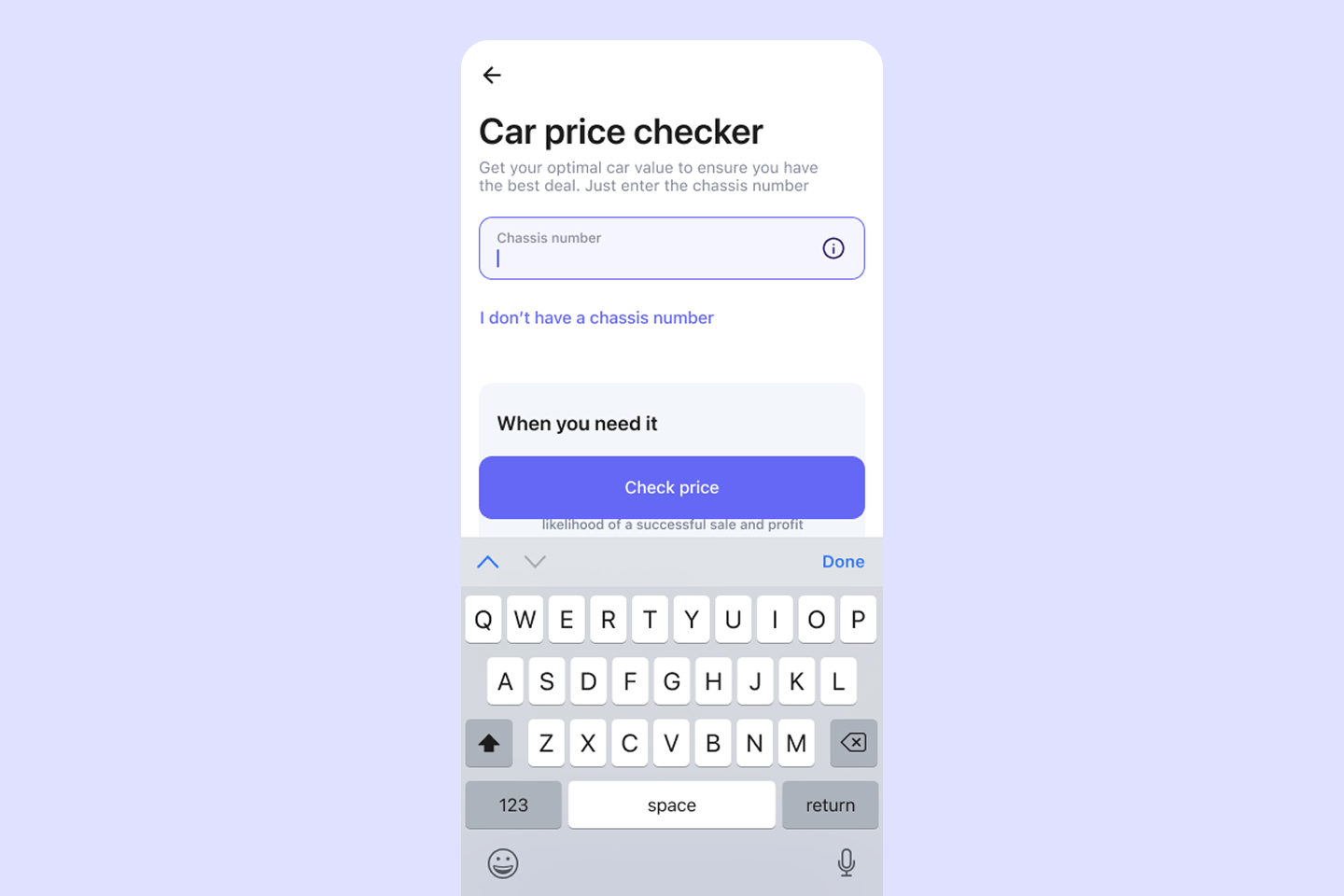
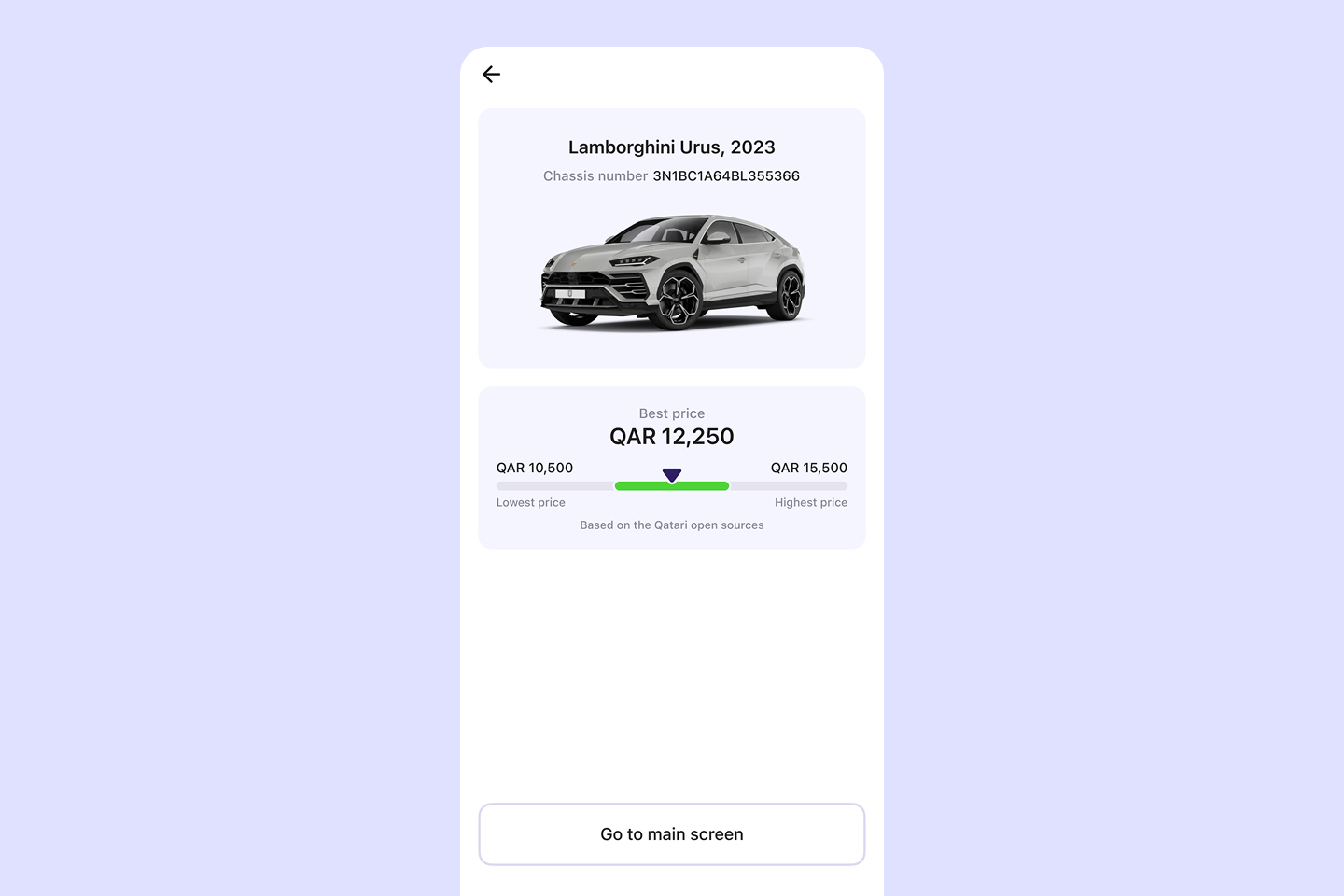
The QIC App also includes a car price checker that helps you understand and evaluate your vehicle's value. It uses current market data and similar listings in Qatar to suggest a realistic price range.
Firstly, add your chassis number to the Car price checker.
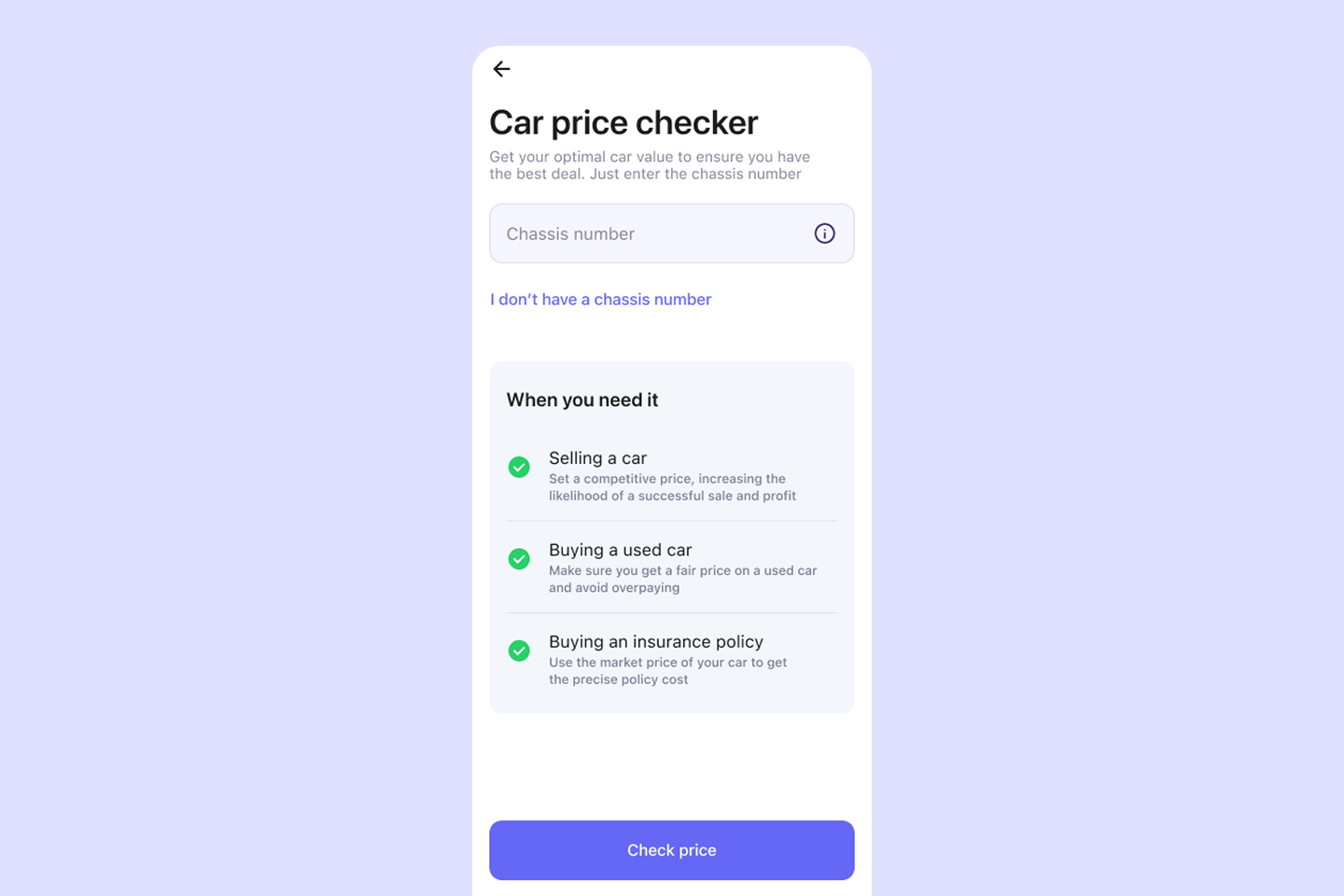
Then, Check price
See the Best price for your car
Should you repair your car or sell it as-is?
It depends on the extent of the repairs — minor fixes can help you sell for more, while major ones may not be worth the investment. After assessing your car, you'll need to decide how much effort and money to invest before selling.
Repair vs sell as-is
Minor repairs can often pay off. Replacing worn-out wipers, fixing small lights, topping up fluids, or addressing minor issues can improve first impressions and justify a better price. However, major repairs may not always be worth the cost, especially if the car is older or nearing the end of its service life.
In some cases, selling the car as-is and pricing it accordingly is the smarter option. Being transparent about known issues builds trust with buyers.
Cleaning and detailing your car
Cleanliness significantly affects how buyers perceive your car. A presentable vehicle looks better in photos and creates a positive first impression during viewings.
Before listing your car, make sure to:
-
Wash and dry the exterior thoroughly
-
Clean windows inside and out
-
Vacuum the interior and trunk
-
Shampoo carpets or seats if needed
-
Lightly polish or wax the exterior for added shine
-
Professional detailing is optional but can be worthwhile for higher-value vehicles
Take clear photos that reflect the car accurately
Once your car is clean, take clear, well-lit photos of it. Capture the exterior from multiple angles, the interior, the dashboard, the seats, and the trunk. If there are visible scratches or dents, photograph them honestly to avoid misunderstandings. A short video showing the car running can also help buyers feel more confident before contacting you.
What documents should you prepare in advance?
You should prepare your Istimara, insurance details, service and maintenance records, repair receipts, and proof that any traffic fines are cleared. Having your paperwork ready before listing your car can help speed up the selling process and reassure buyers that the vehicle has been properly maintained. Clear documentation reduces delays during the ownership transfer and signals transparency, which buyers in Qatar value highly. Keep the following documents organized in one physical or digital folder:
|
Type of document |
Why it matters |
|
Valid Istimara (vehicle registration) |
Mandatory for ownership transfer |
|
Insurance details |
Helps coordinate policy transfer |
|
Service and maintenance records |
Builds buyer trust and supports pricing |
|
Repair receipts |
Shows maintenance and major fixes |
|
Traffic fines clearance |
Prevents transfer delays |
Presenting complete, up-to-date documentation can help your listing stand out and close faster.
Where and how should you advertise your car in Qatar?
You should list your car on Qatar's top online marketplace platforms, where buyers actively search.
Choosing the right platforms
In Qatar, most private car sales take place online through marketplaces, classified websites, and community groups on platforms like Facebook and WhatsApp. Other popular listing platforms include QIC Market, Mzad Qatar, OpenSooq, and YallaMotor.
What to include in your listing
When creating your listing, keep it clear and factual. A strong listing includes important details such as:
-
Make, model, and year
-
Mileage and overall condition
-
Asking price
-
Clear photos and contact information
Accuracy matters — transparent listings build buyer confidence and reduce unnecessary back-and-forth. That's why it's recommended to include a few extra things:
-
VIN or chassis number (if available): Useful for verification and can be shared in the ad or upon request
-
Key specs: Include engine type, gearbox, trim level, fuel type, and drivetrain
-
Service and maintenance history: Mention recent work, include receipts if possible, and note whether the car was serviced at an agency or independent garage
-
Accident history or known issues: Keep it brief and factual — transparency builds trust
-
Key features and options: List key extras such as reverse camera, parking sensors, Apple CarPlay, or sunroof
-
Location and viewing availability: Share your area and the best times for people to contact you or visit
The ad description is one of the most important parts — it sets your listing apart from similar cars and helps attract the right buyer. The QIC Market can help by offering smart chips with high-impact information and by automatically generating a strong description. Also, when it comes to pricing, the QIC Market can assist by analyzing real-time market data and recommending an optimal asking price.
Both the smart chip and price recommendation features are integrated directly into the car listing flow, so users can easily complete their listing without contacting anyone.
At the description step, users select relevant smart chips, such as "first owner" or "under warranty," and the system automatically generates a clean description from the selected options and the fields they've already filled in.
Also, when setting the price, the platform provides a recommended range and optimal asking price based on similar listings and market parameters — the user can edit this anytime.
How do you transfer car ownership in Qatar?
You can transfer ownership using the Metrash app. Once the sale is agreed, transferring ownership is the final step.
How to transfer car ownership via Metrash
1. Sign in to your Metrash account using your Qatar ID (QID)
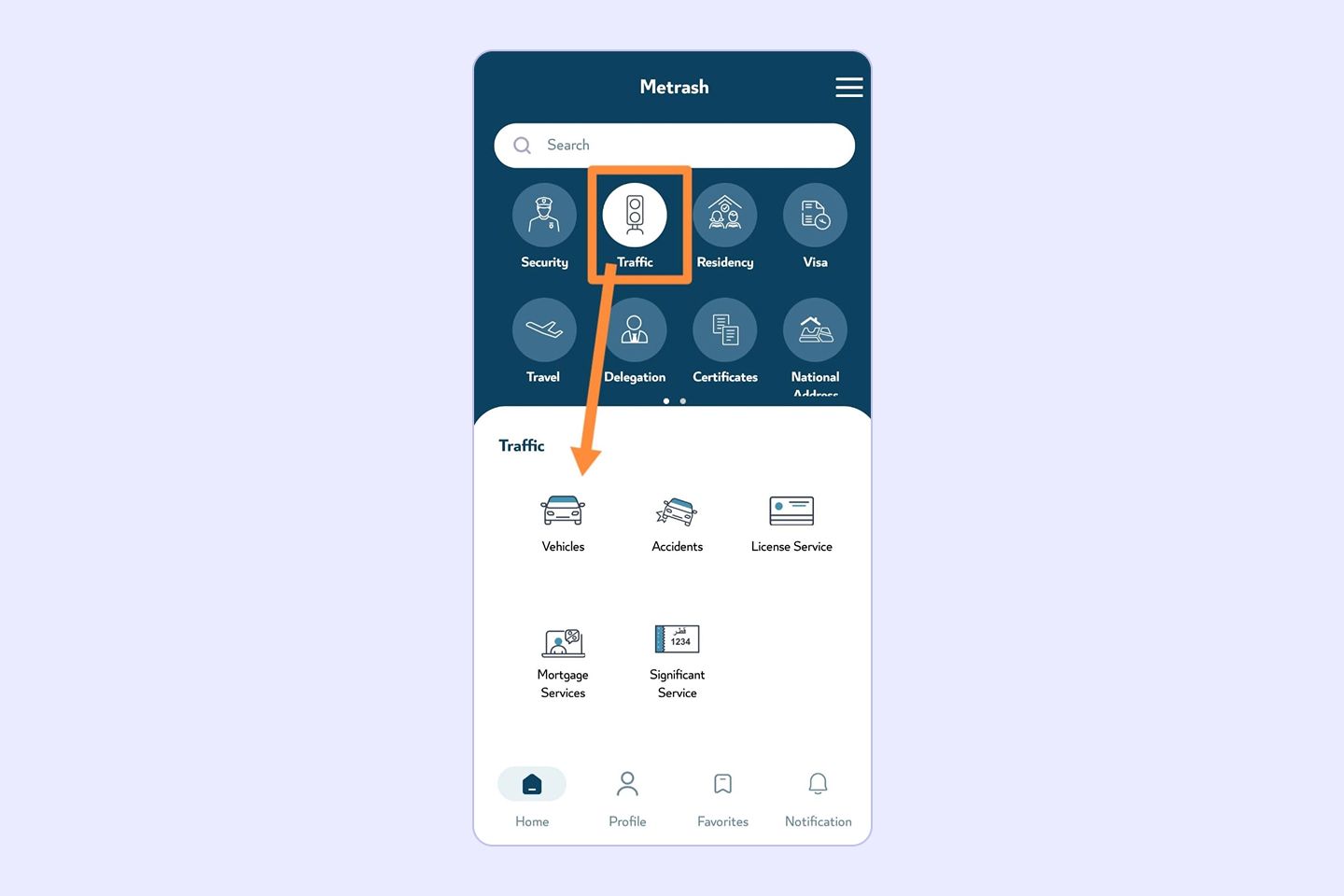
2. From the home screen, tap the Traffic icon and select Vehicles
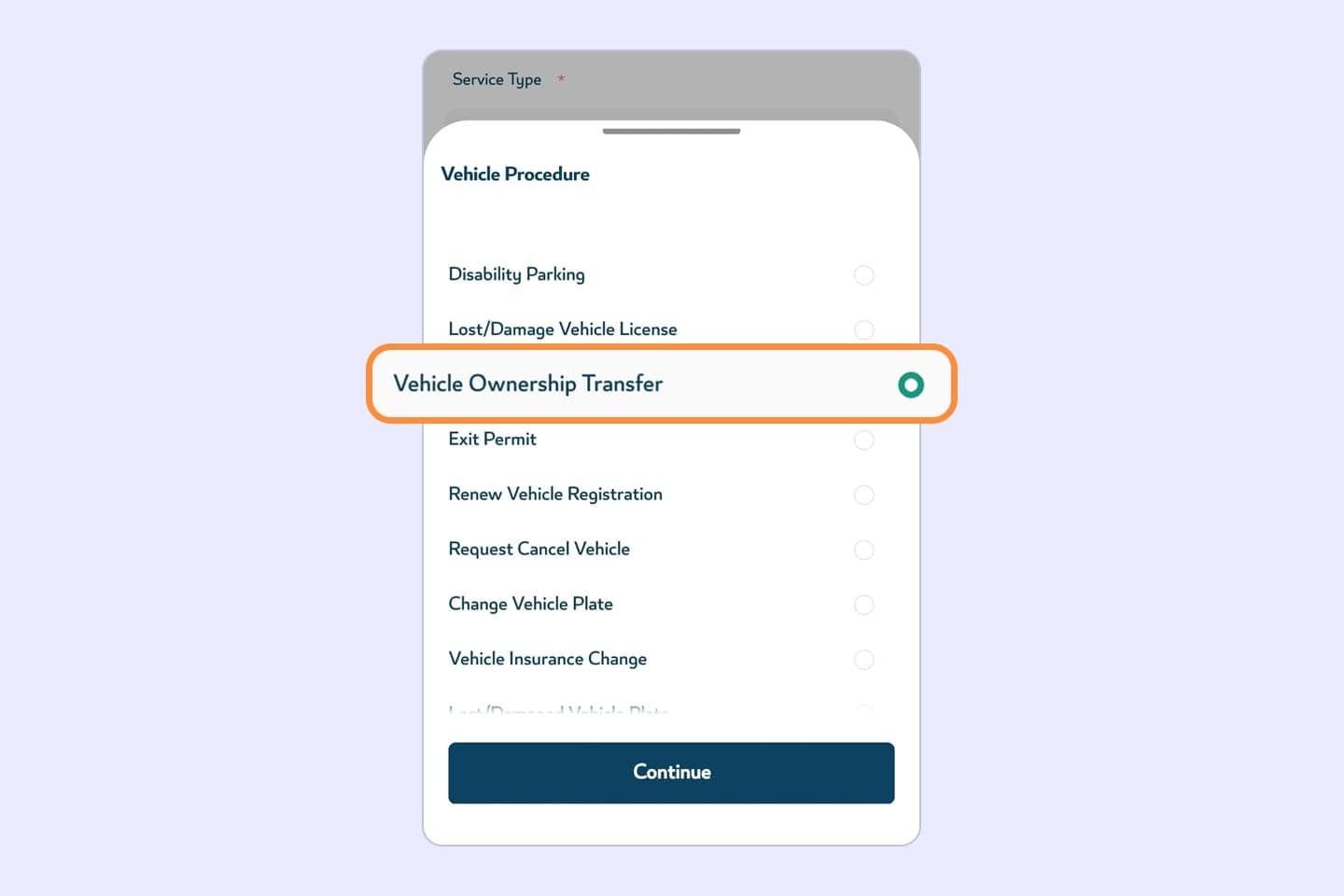
3. Then select Vehicle Ownership Transfer. Your registered vehicles will appear on the screen
4. Select the vehicle plate number of the car you want to transfer
5. Enter the buyer's QID, mobile number, and your car's plate number
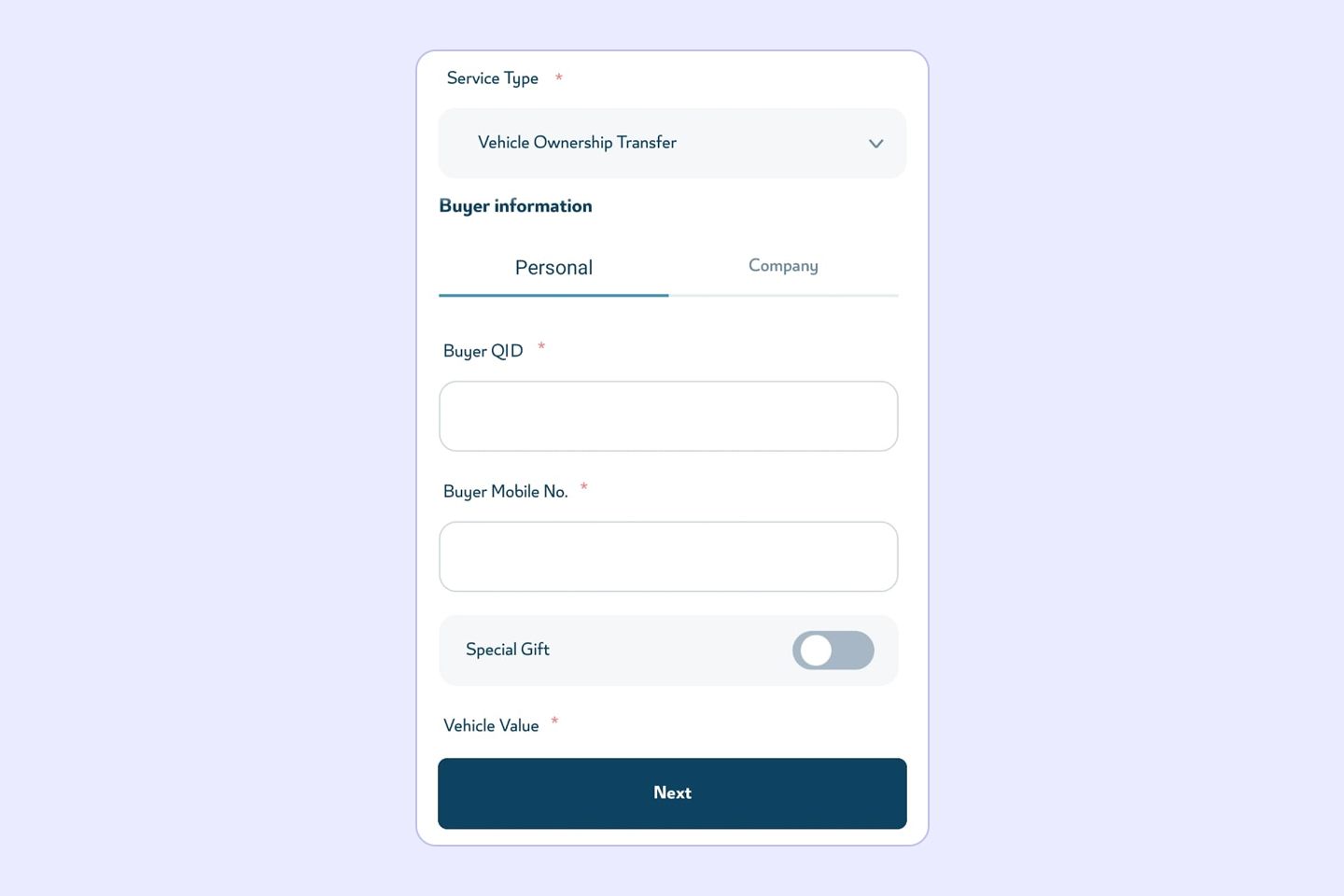
6. The buyer will receive a notification in their Metrash app and must approve the transfer
7. Pay the service using your credit or debit card (QAR 200)
8. Choose how you'd like the documents delivered — through QPOST or by collecting them in person from the headquarters in Madinat Khalifa
After completion, the new Istimara (vehicle registration card) is issued and either delivered by QPost or collected from the Traffic Department headquarters in Madinat Khalifa.
Some transfers require additional documentation. Vehicles registered under a company name need a valid commercial registration and an authorized approval letter. Dealership sales require a stamped invoice or authorization card, while court-auction vehicles are transferred using an official letter from the issuing authority.
After the transfer, it's important to update related records, such as the Salik tag registration (which serves as a prepaid toll account), bank financing (if applicable), and any permits linked to the vehicle. Completing these steps ensures the car is fully registered in the new owner's name and avoids administrative issues later.
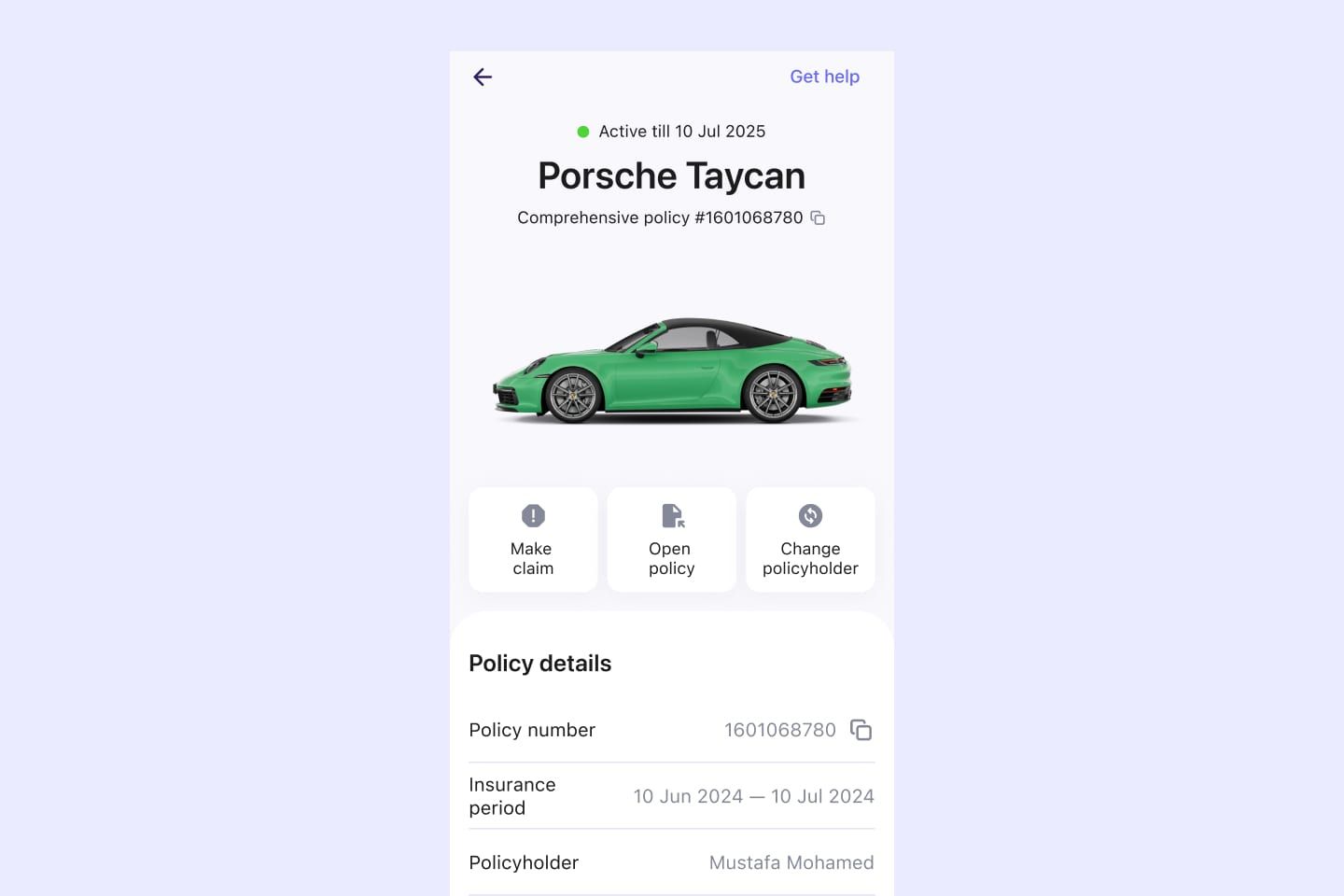
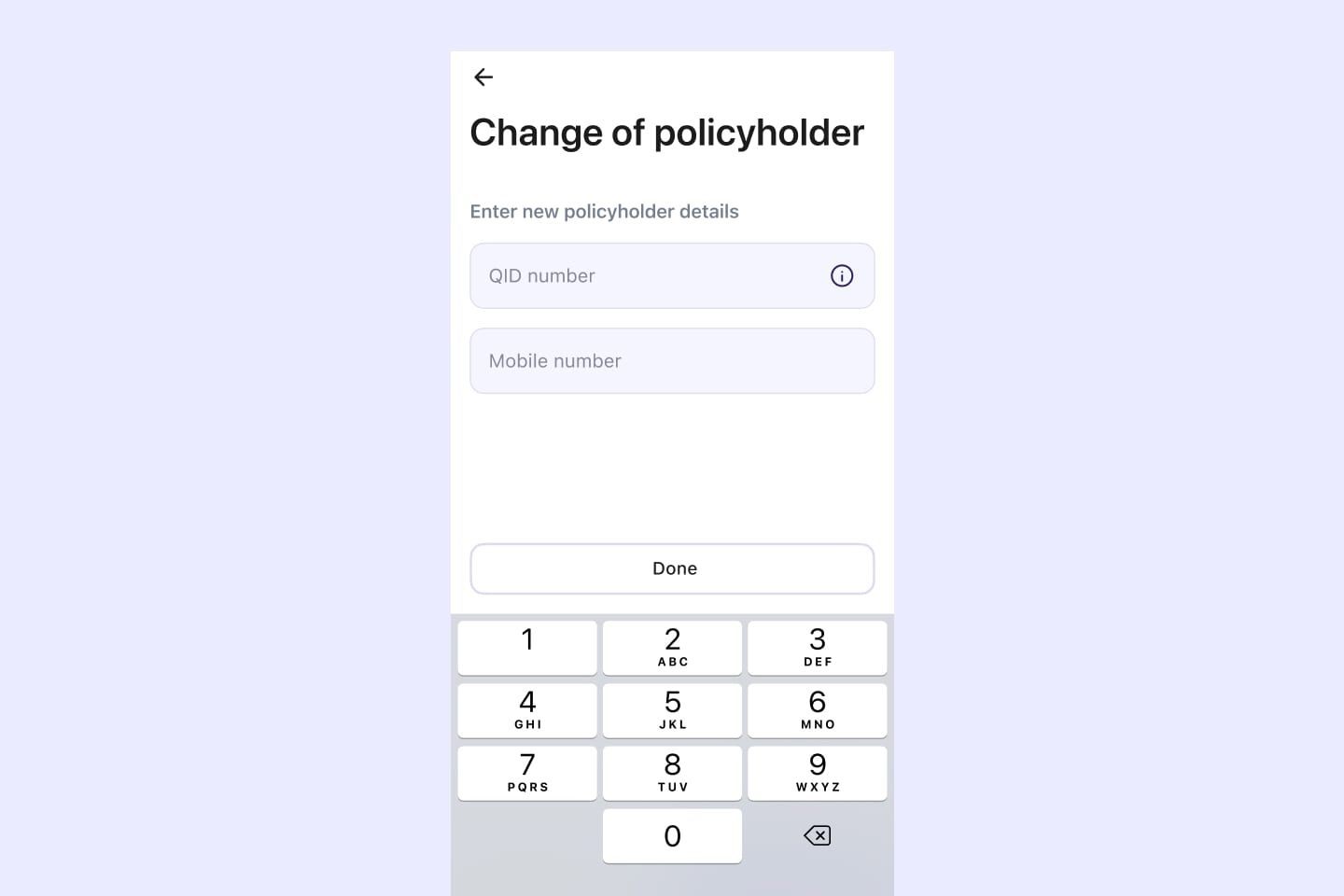
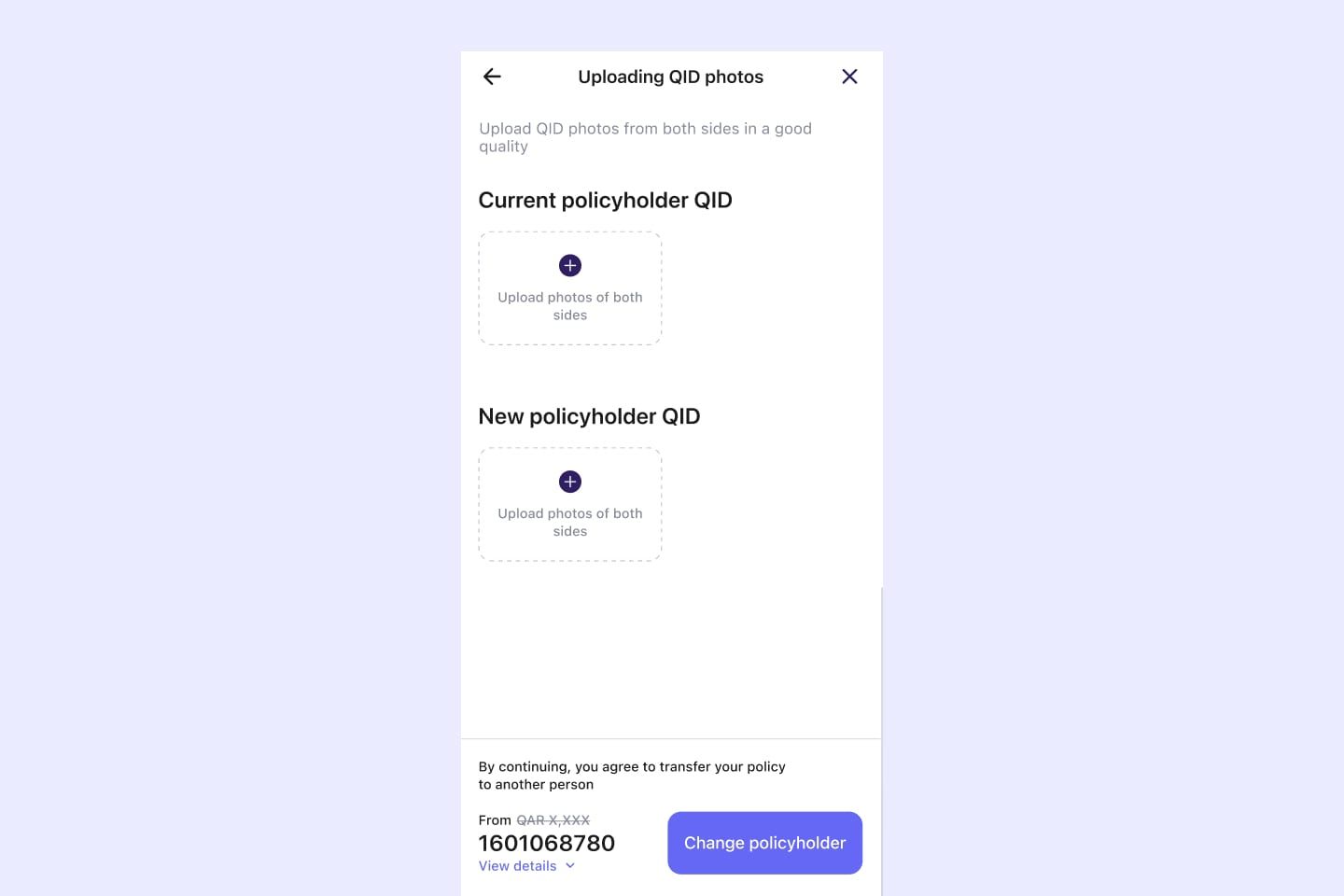
If the vehicle is insured with QIC, the policy can be transferred directly to the new owner through the QIC App. The previous owner must first initiate the transfer through their account. Once the new owner logs in, the active QIC policy is automatically synced to the app wallet, where they can view and manage key coverage details.
FAQ
How long does it take to sell a car?
How to sell a car quickly?
How to sell a car at a dealership?
What is the best way to sell a car?
Should I detail before selling?