
Contents
Following the recent Qatar Airways Schengen EES alert, travelers may wonder what exactly the new European border control system means for their trips. As of April 10, 2026, passport stamps are replaced with biometric checks for non-European citizens — fingerprints and facial scans are now in place.
While the system is now officially operational across the Schengen Area, border authorities remain flexible, as they deal with technical issues and long queues. This new system was introduced to automatically detect travelers who have exceeded the maximum duration of their authorized stay.
What is the Entry/Exit System (EES)?
The EES is the European Union's new automated digital border control system for registering non-EU nationals traveling to the Schengen Area for short stays. A "short stay" is considered a 90-day stay within any 180-day period. Instead of manually stamping passports, border authorities now record:
-
Passport details
-
Date and place of entry
-
Date and place of exit
-
Facial image
-
Fingerprints
The goal is to improve border security, reduce identity theft, and automatically calculate how long visitors remain within the Schengen Area. The system applies whether you enter Europe with a Schengen visa or visa-free, as long as you're a non-EU citizen.
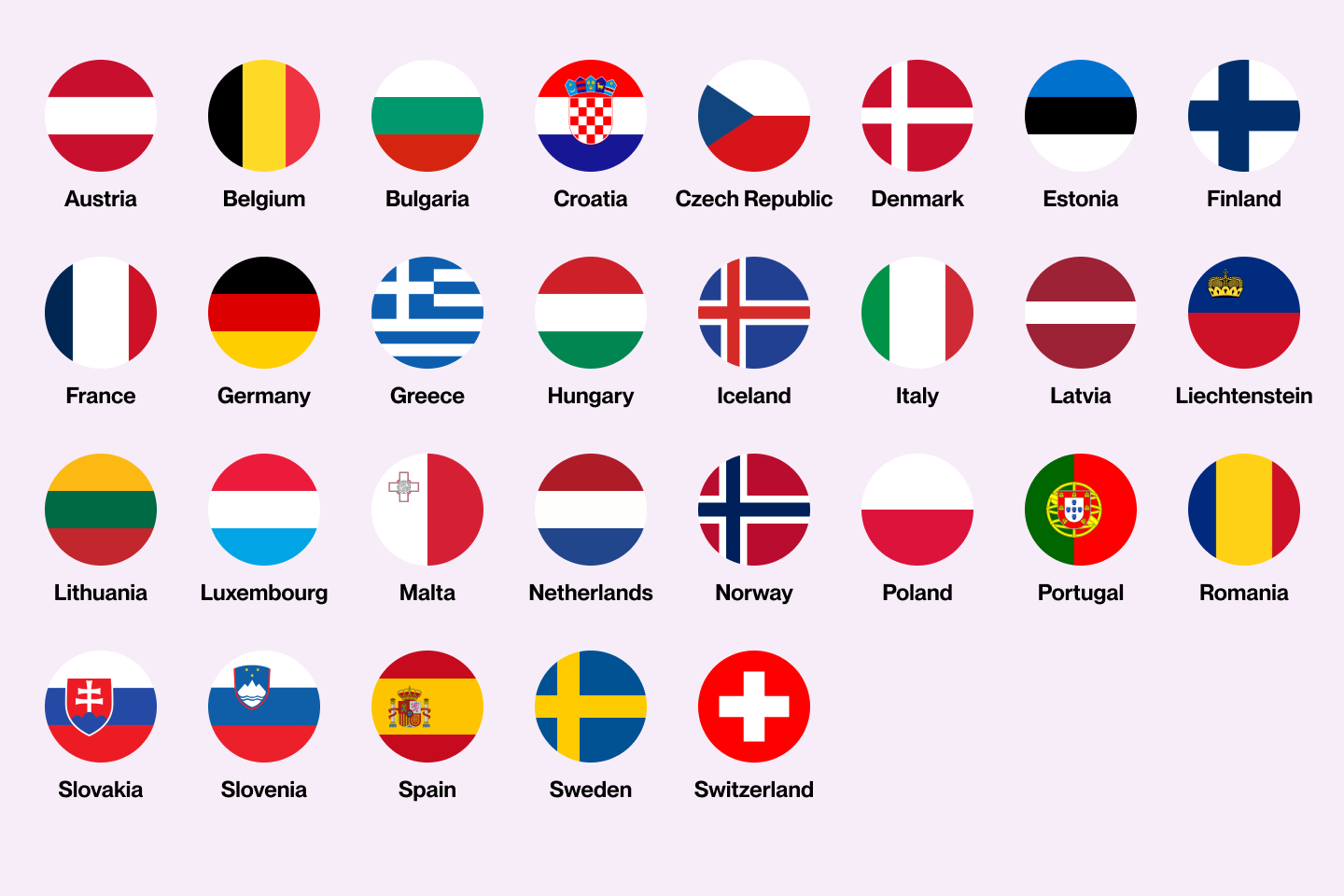
What countries will use the EES system?
These are the European countries that are using the new system:
How does the EES system work?
The new system changes what happens when non-EU travelers arrive at a Schengen border. Instead of receiving a passport stamp, your entry and exit will be recorded digitally. The system will store your travel information along with your biometric data.
If you arrive at a Schengen border crossing for the first time
A passport officer will take a photograph of your face and collect your fingerprints. This information will be stored in a digital file, and your passport will not be stamped.
The whole process can be faster if you register some of the data in advance. There are two ways to do this:
-
By using the "self-service system" — if available at your border crossing point
-
By using a mobile application, if available in the country you're arriving at or departing from
If you have entered and exited European countries covered by the EES multiple times since the system was introduced
The photo of your face and your fingerprints will have already been recorded via the EES system, so passport control officers will only verify your data. However, your data may need to be collected again — it's rare, but it could happen.
Travel mobile application for EES registration
The EES Travel to Europe mobile application is a tool created by the European Union to help non-EU travelers to pre-register their passport data and facial image before reaching a Schengen border. Travelers can also fill in the entry questionnaire in advance.
Registration can be completed within 72 hours of arrival or departure. It is important to note that the app is optional and does not replace border checks, but it makes the whole process faster and smoother.
Who can use the mobile app?
The app can be used by non-EU nationals who hold a biometric passport. Moreover, the European country you plan to enter or exit must support the app.
The app is designed for non-EU nationals subject to EES registration who hold a biometric passport.
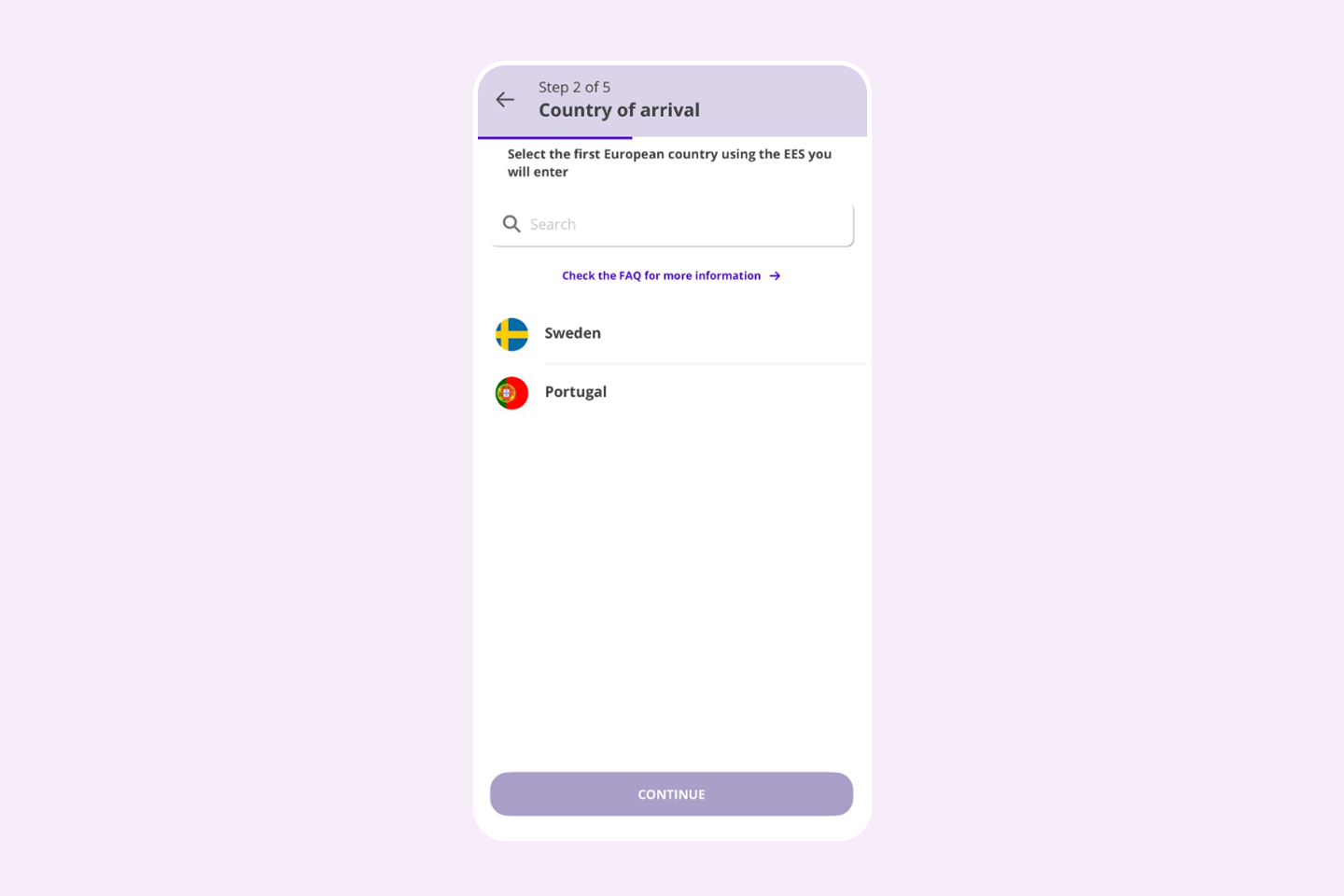
Currently, the app is only available for arrivals to Sweden and Portugal.
Travel mobile app: Step-by-step guide
Download the app from the App Store or Google Play, and make sure you meet the criteria for using the app as a non-EU national
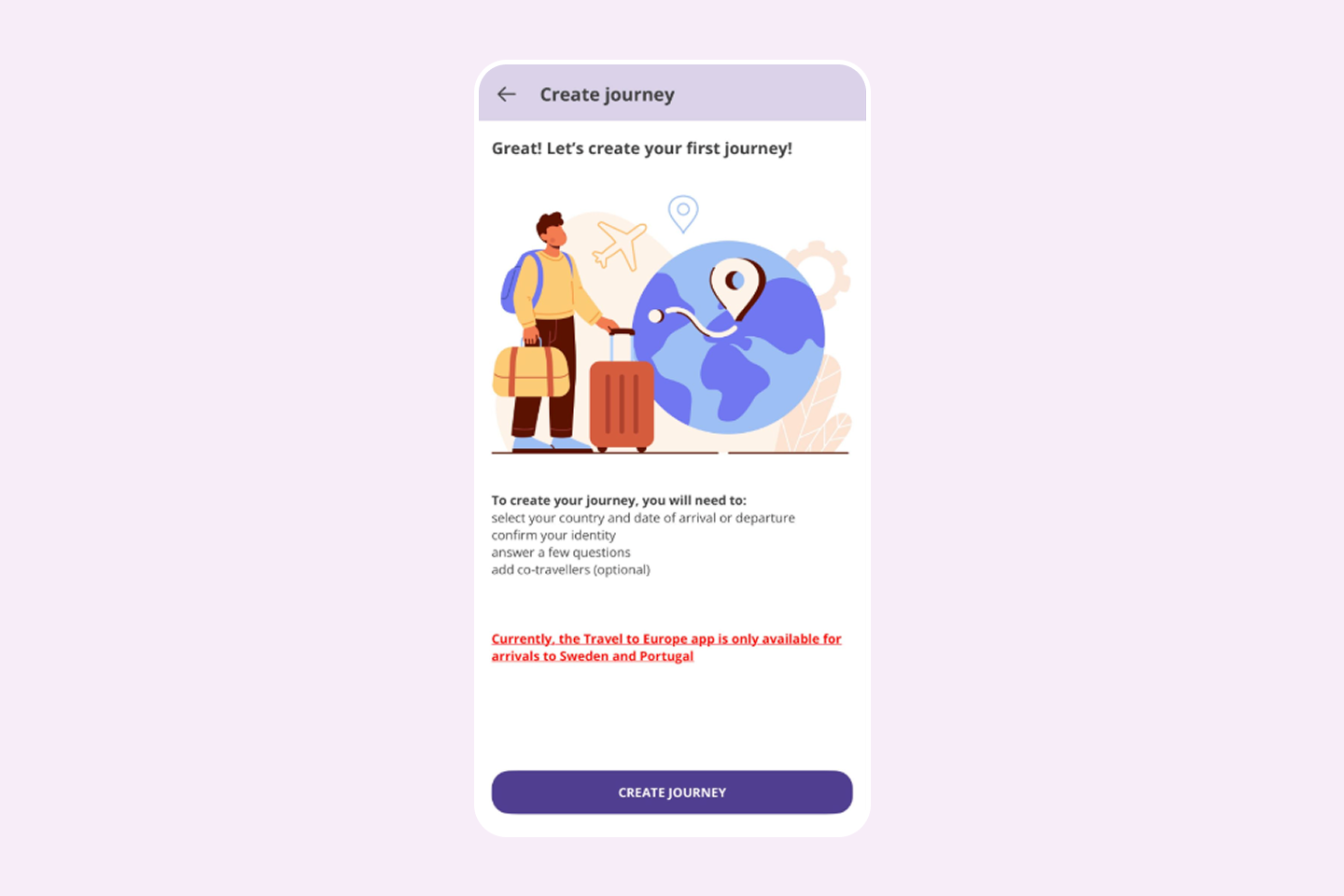
1. Select Create journey
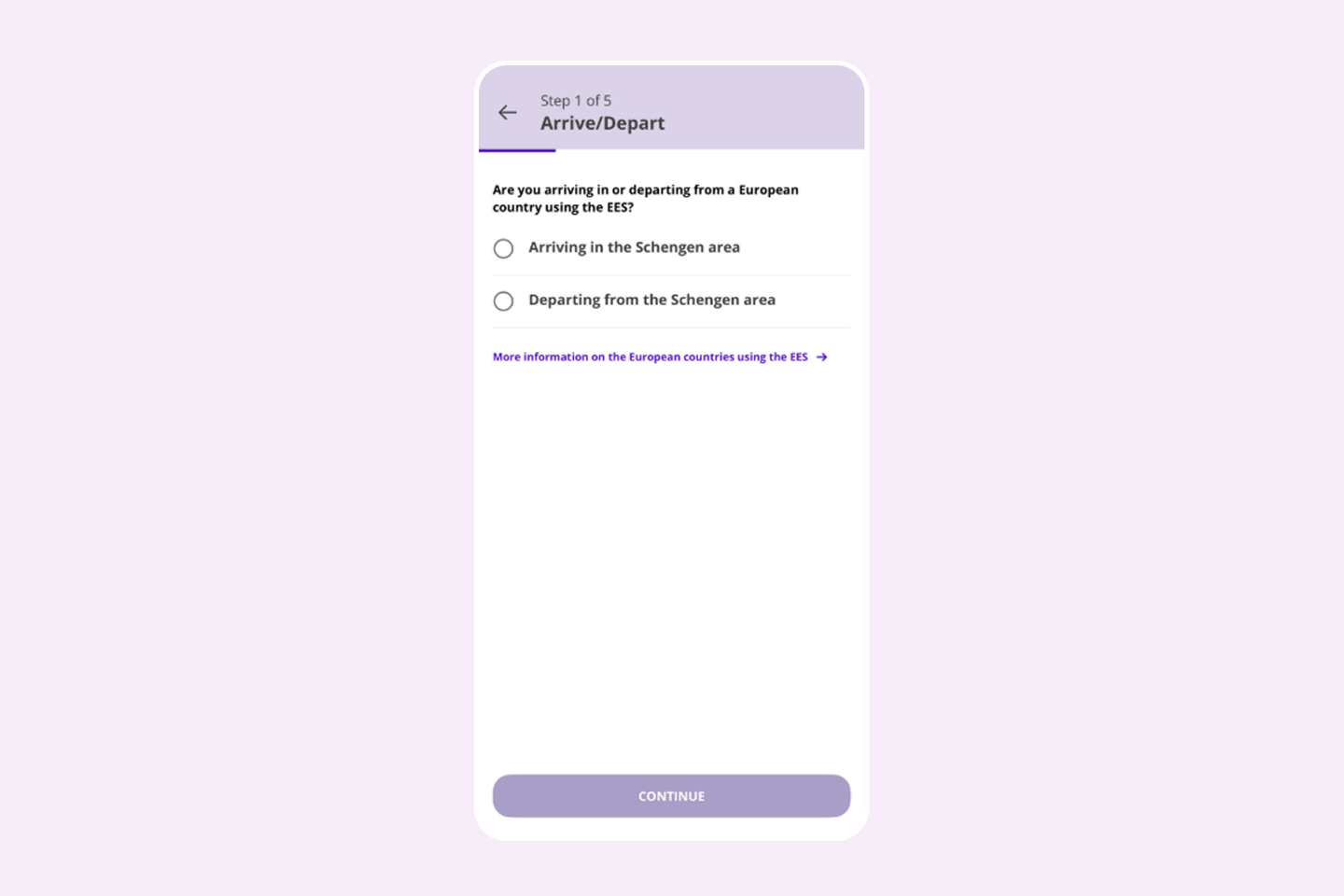
2. Select Arriving in the Schengen area or Departing from the Schengen area
3. Select the country you're entering: Sweden or Portugal — a reminder that the app is currently available only in Sweden and Portugal
4. Review terms and conditions and Privacy Notice
5. Create a PIN that you will use to log in — needs to be a 6-digit number
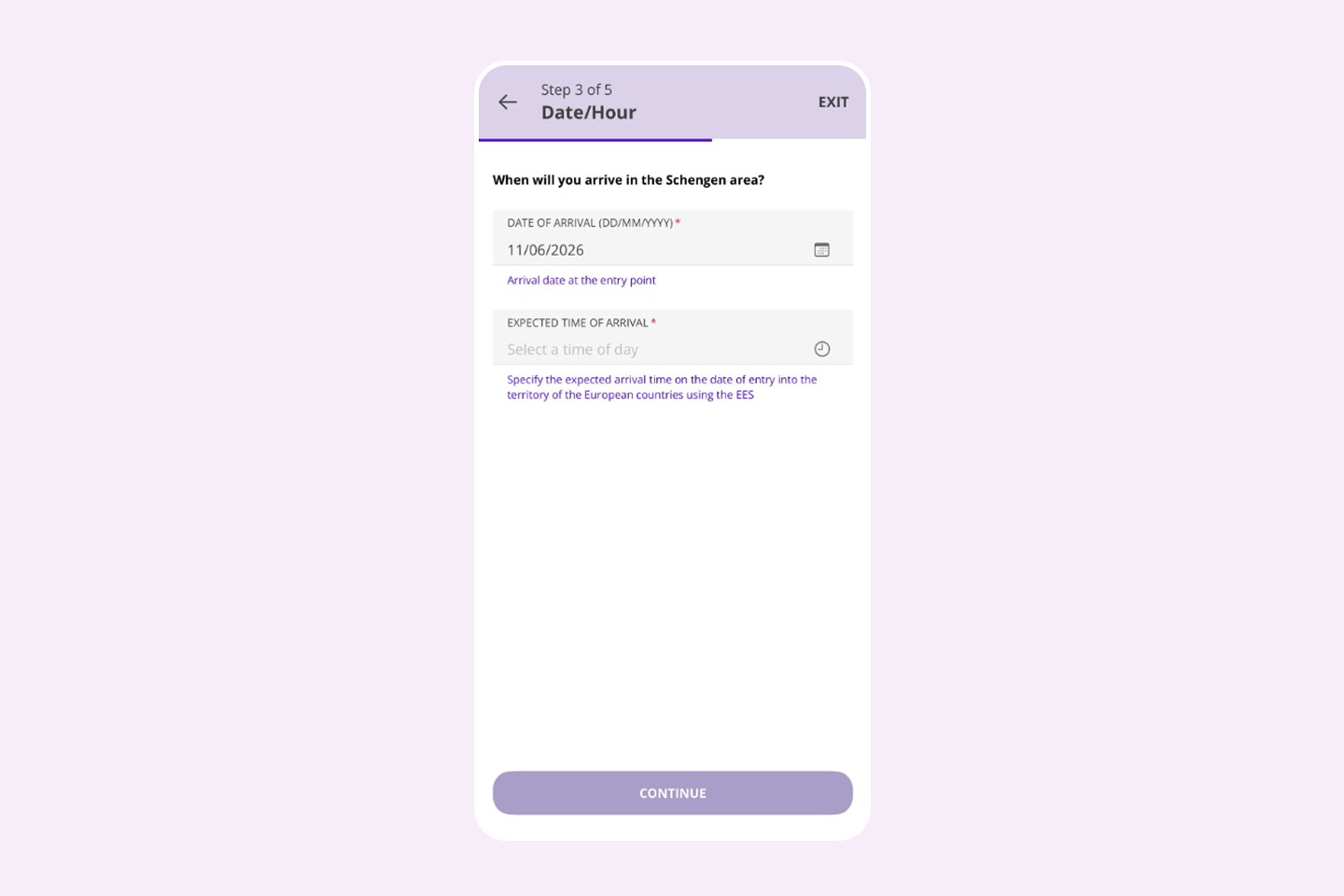
6. Select the arrival date and the expected time of arrival
7. Select the point of arrival — airports, harbors, land
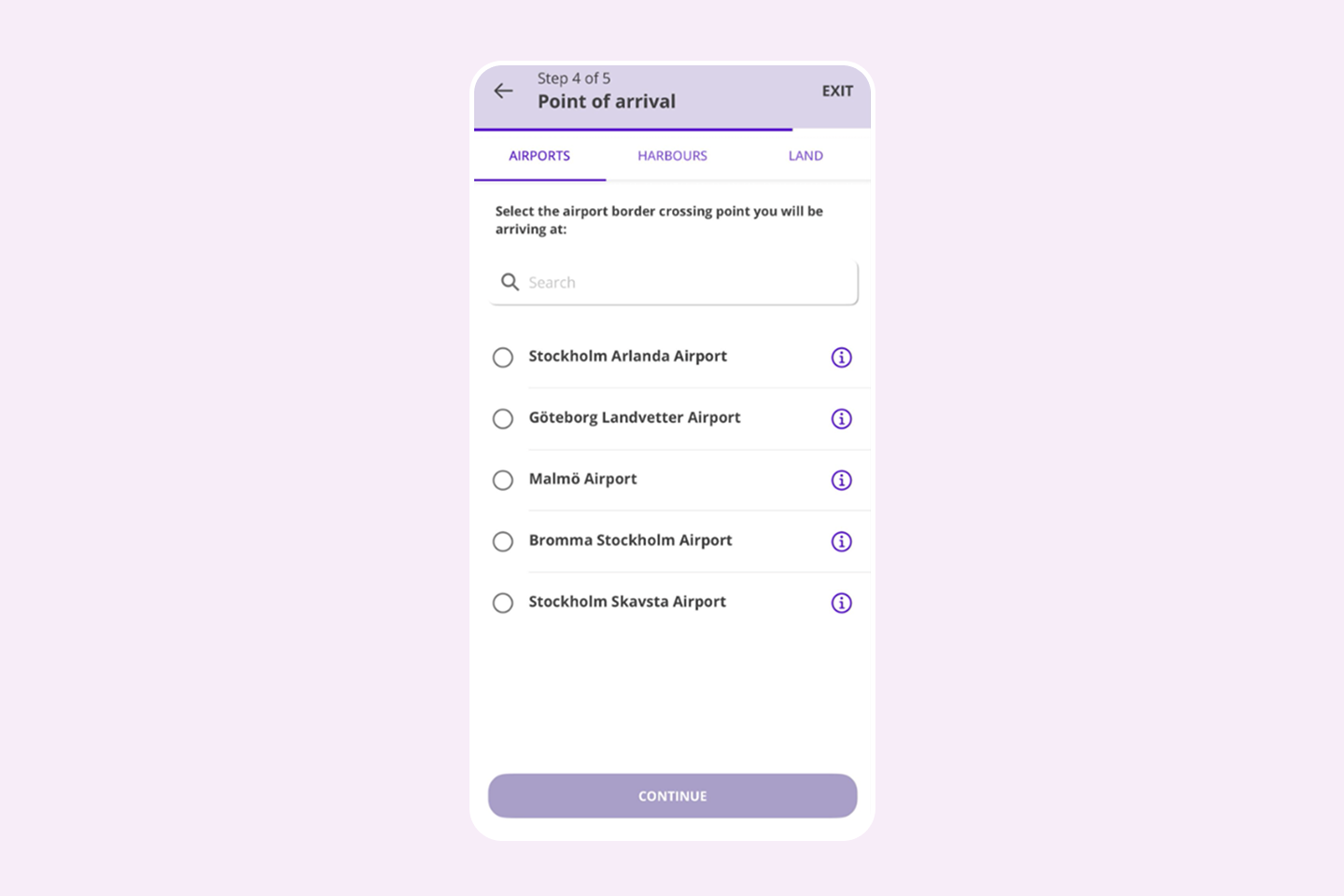
8. Select this journey's traveler/travelers: Add a new traveler
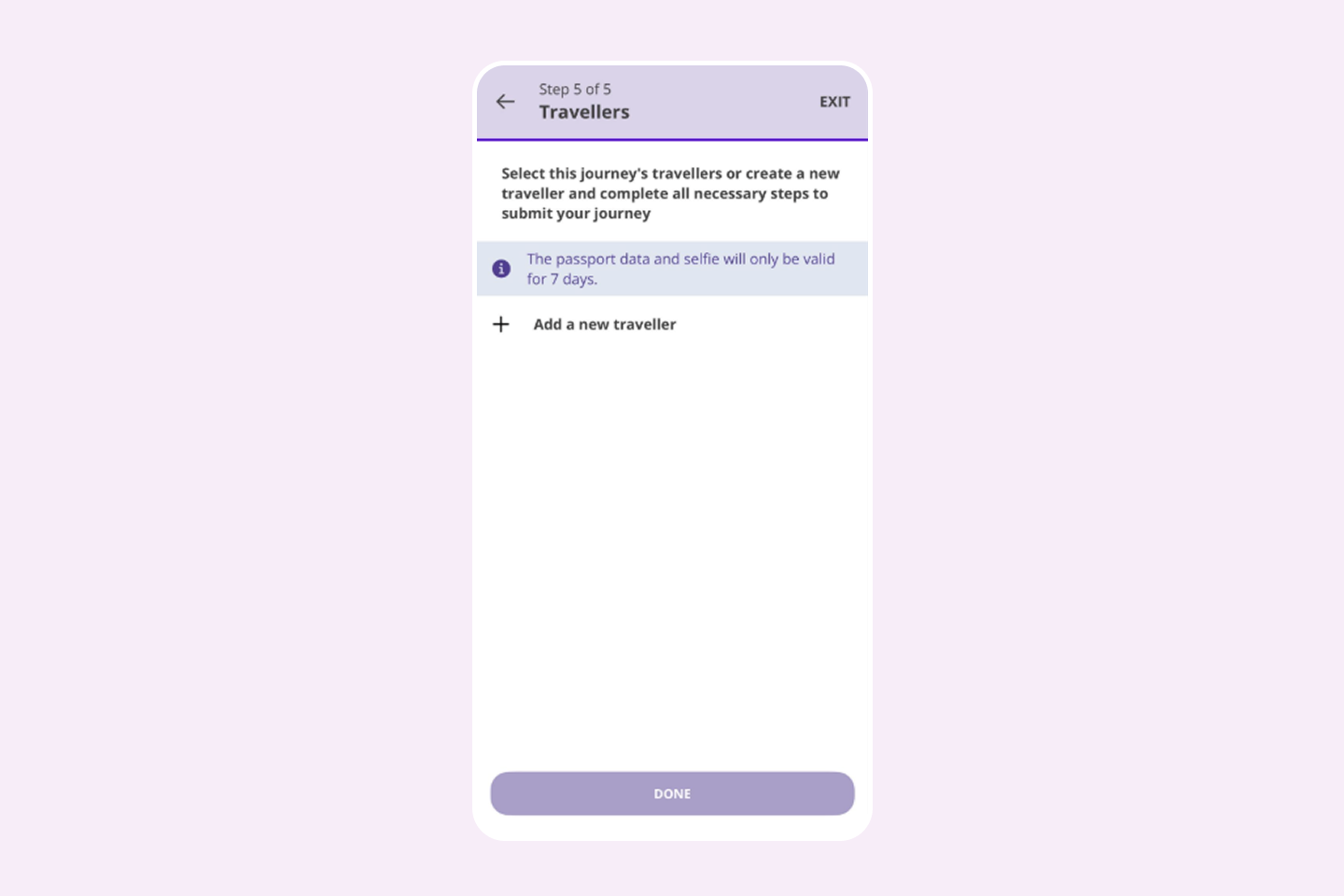
9. Add your passport details
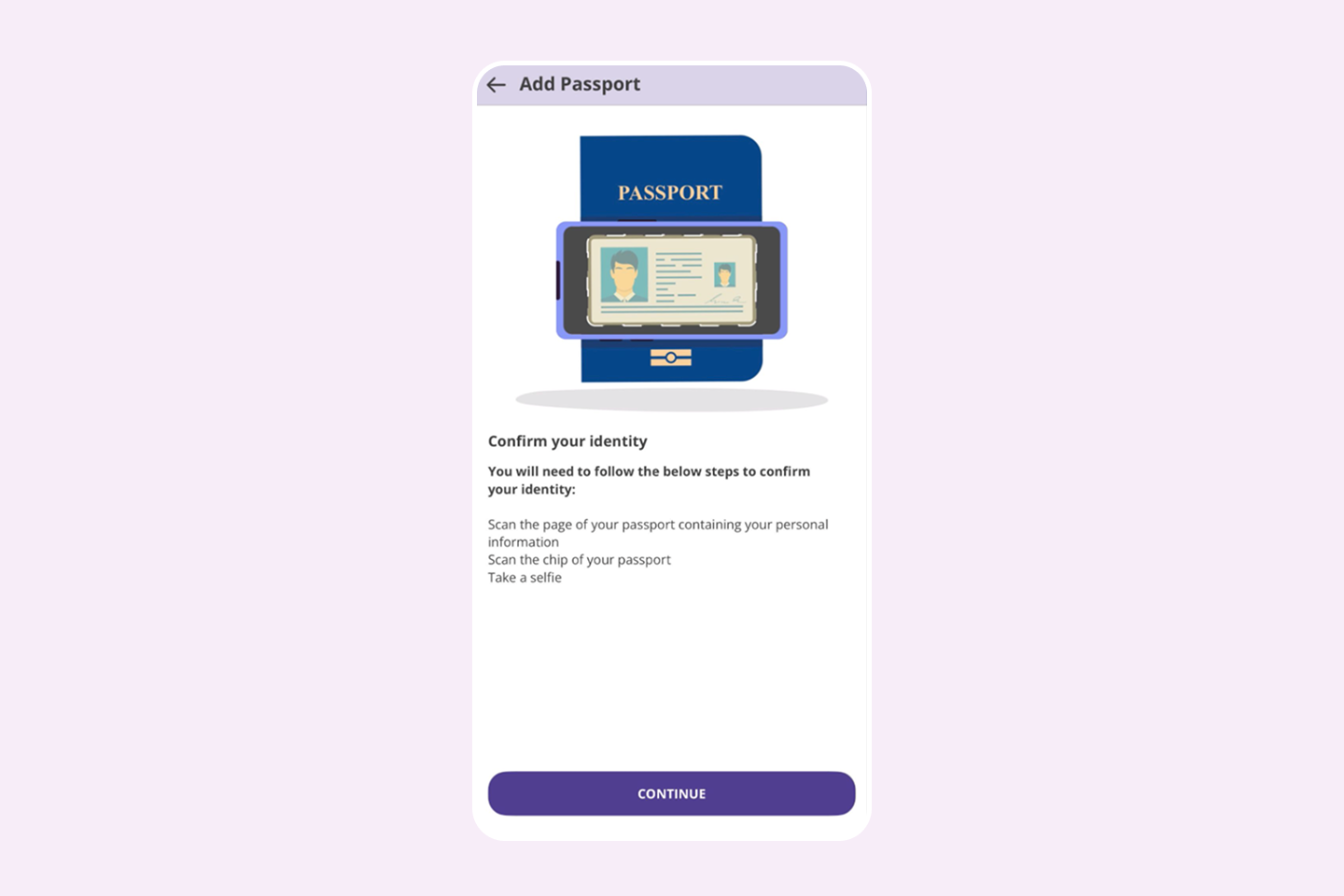
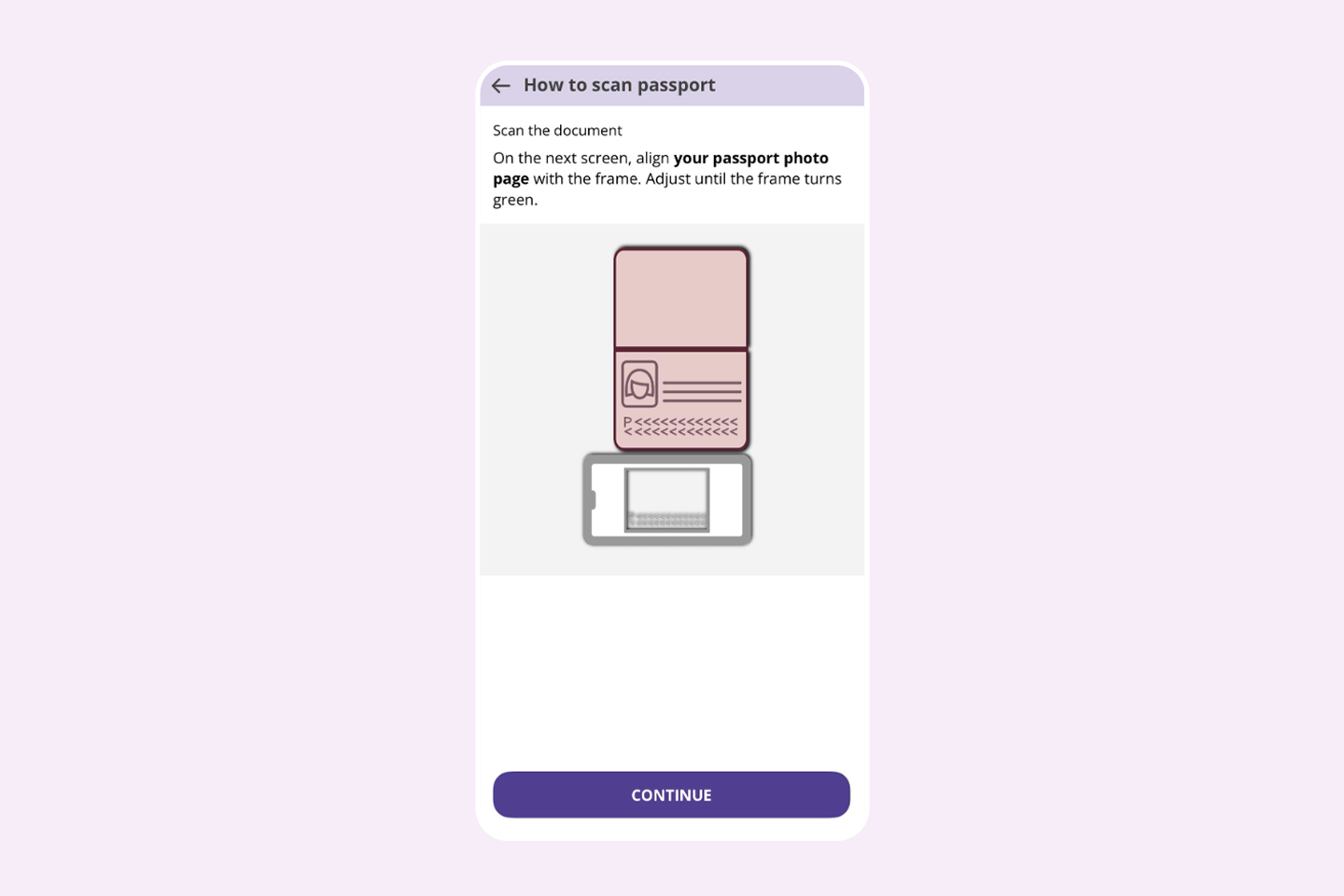
10. Scan your passport and take a photo
You will receive a confirmation that your journey has been accepted. Then go to the border crossing and follow the instructions.
*Please note that screenshots in this guide were originally in English and have been translated into Arabic using Google Translate to make the steps easier to follow for Arabic-speaking readers — minor differences in wording may occur.
What should travelers from Qatar do?
For most travelers, there is little preparation required for a trip to the Schengen area:
-
Passport
-
Schengen visa
-
Allow extra time at the border control — especially if this is your first trip after EES
-
Be prepared to provide fingerprints and a facial image
💡The Schengen Area Entry/Exit System is considered the biggest change to European border control in years.
Why did Europe introduce the EES system?
The EES system is designed and implemented to strengthen border security and prevent irregular migration. By replacing passport stamps with digital data collection, authorities can easily identify travelers who overstay their permitted time in the Schengen Area or attempt to travel with fake documents.
Additionally, it aims to create a fast, efficient, and comfortable experience for travelers — self-service systems and no long queues.
FAQ
Does EES only apply to Schengen countries?
Do I need EES if I have a Schengen visa?
Do EU residents need to do EES?
What is the difference between EES and ETIAS for Europe?
Can I do EES in advance?