
Contents
With the ability to make payments in seconds while enjoying your morning karak tea, settling bills has never been easier. However, despite the convenience, so many of us still struggle with the planning part: knowing what’s due when, budgeting correctly, and avoiding dreaded late fees. These five steps will help you get a handle on settling expenses.
Bills you need to pay in Qatar
Utility (Kahramaa)
Kahramaa handles all water and electricity services in Qatar. The average utility cost can be around QAR 200–600. These bills usually arrive in the first week of the month, and have to be paid within 30 days.
Prices are calculated based on how much you use, meaning it will be harder to plan for the exact amount.
Telecommunication
Ooredoo and Vodafone are the main phone and internet providers in Qatar. Their bills include your monthly plan fee, any extra data you used beyond your plan, fees for international calls (usually not included in your package), and possible premium services you signed up for.
Mobile plans with calls and 10GB+ data cost approximately QAR 175, while high-speed internet (60+ Mbps) averages about QAR 300 per month. Most telecom bills are easy to check through their apps.
Credit card
Credit card statements in Qatar typically come once a month via email and SMS alerts. In general, there is a 45-day billing cycle to pay before interest charges start. Usually, you won’t have to pay the full balance, but there will be a minimum payment of around 5–10% of the balance.
Thankfully, you’ll be able to see all transactions from the previous billing cycle, making the charges easier to track.
Rent
The rent in Qatar ranges from QAR 2,000 to QAR 6,000 for a one-bedroom apartment and between QAR 6,000 and QAR 15,000 for a three-bedroom, depending on the location. Typically, this is the largest regular payment for most residents.
Rents are often paid using post-dated checks for 3, 6, or 12 months, and renting usually includes a security deposit, which is one or two months in advance. You may have separate fees for maintenance or amenities.
Subscriptions
An average person has about three subscriptions, according to a global study. These are recurring payments and highly depend on the service you’re subscribed to, whether it be a TV streaming service, music, sports, etc.
The upside is that the majority of these platforms allow for automatic payments, meaning you won’t have to pay each subscription manually after you add your card. Still, these are the expenses you need to account for on a monthly basis.
Step 1: Create a bill calendar
Get a notebook or open a spreadsheet on your device and make a list of all your regular bills. Then, write down when each bill is due. You can also divide bills into different categories based on priority and due date.
For instance, rent and utilities are high-priority, but not all of them are due at the same time. Make sure to spread out the high-priority costs throughout the month while still keeping the deadlines in mind.
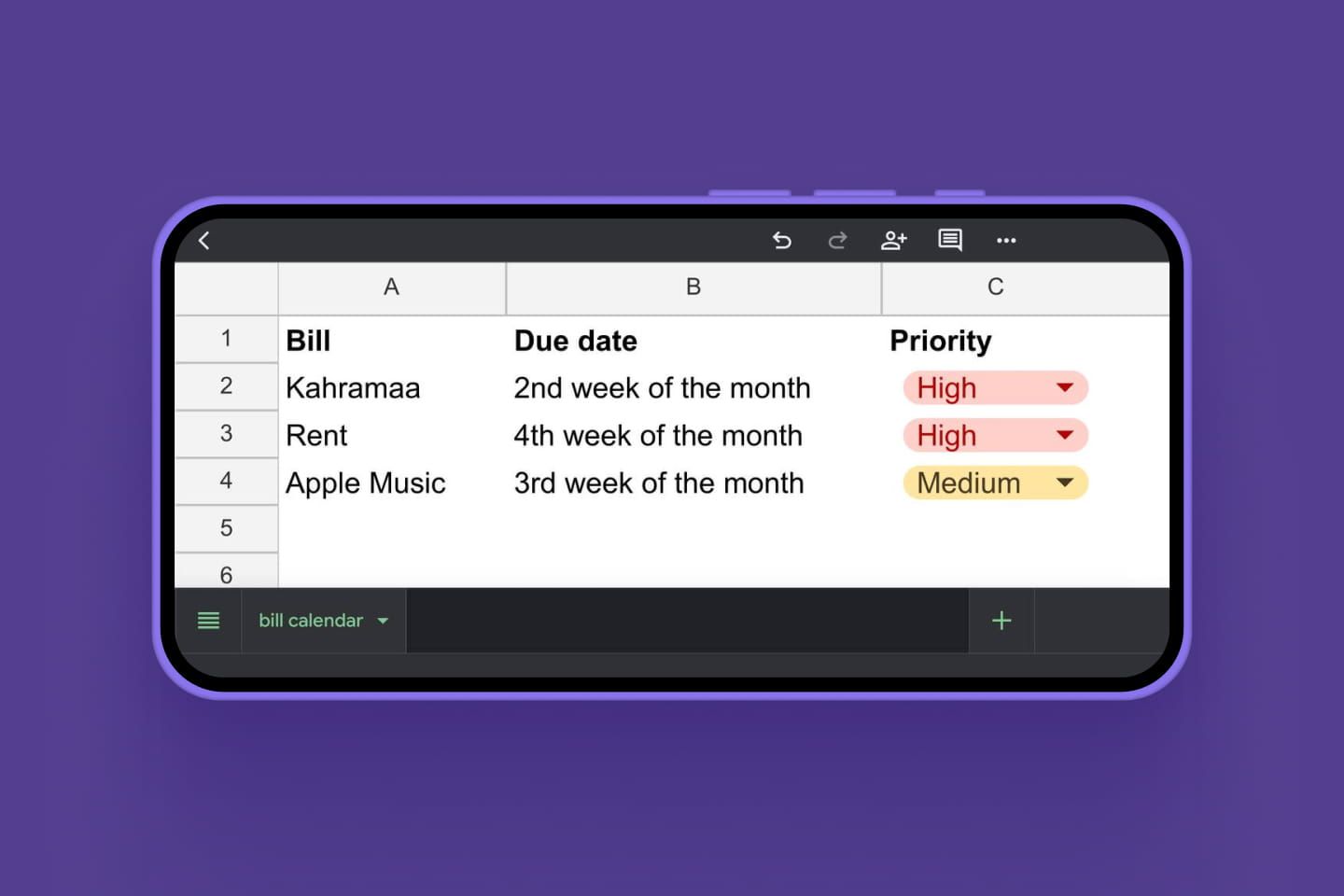
After that, set recurring reminders on your phone at least five days before the due date of each bill. As soon as you make a payment, mark the bill as paid.
If you’re not sure whether you’ll be able to handle this process properly, you can download an expense app that keeps track of all your costs. Popular apps for this in Qatar include Buxfer (available on Android and iOS) and Karty (can be downloaded on iOS).
Step 2: Use digital payment options
Options like e-banking and QPAY can not only speed up payments but also allow you to track your spending. E-banking is a digital banking management system, while QPAY is a payment gateway in Qatar available to all debit card holders. It’s considered a more secure payment option, with two-factor authentication (OTP and PIN).
At the end of each month, you can take a look at your spending online. This allows you to plan for the next month and make changes in your bill calendar if necessary.
Step 3: Set up automatic payments
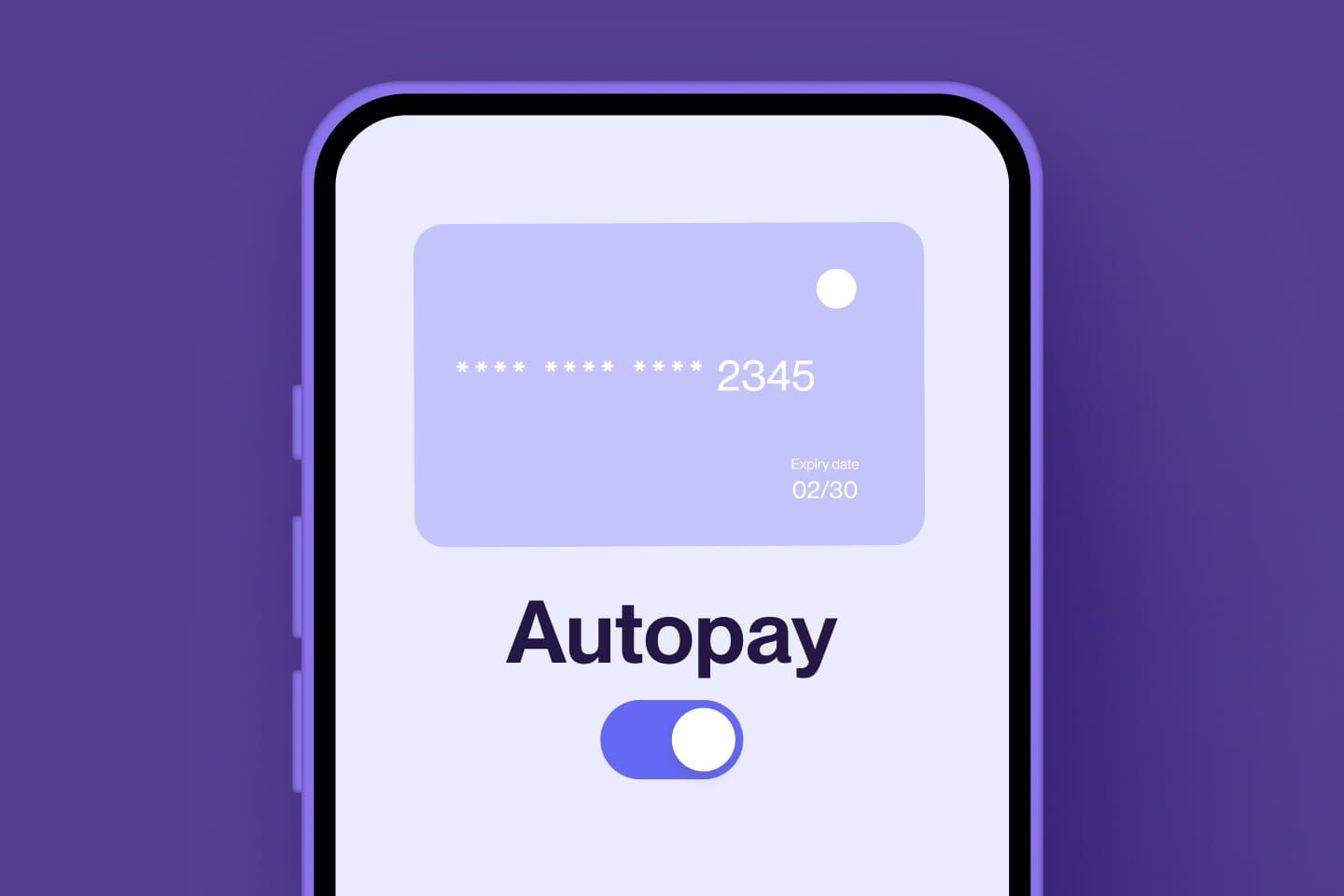
For recurring bills of the same amount, consider setting up automatic payments. Some banks, such as QNB, allow autopay for all bills. You’ll have to either contact the bank via phone or by logging into the Internet Banking section.
Other banks, like QIB, have auto payments enabled for specific providers. For instance, you can set it up for all Ooredoo services via the QIB mobile app.
Furthermore, you’ll likely be able to set auto payments for all your subscriptions. In case you have control over when the money will be taken from your account, consider scheduling payments at different times of the month. This way, there won’t be major changes in your balance at once, and any suspicious charges would be easier to spot.
Step 4: Audit your subscriptions
Automatic payments are great if you want to avoid paying late fees or losing access to your favorite platforms. But they can also be a double-edged sword if you completely forget about some of them.
That is why it’s wise to revise all your subscriptions at least once every three months. Get the monthly spending sheet for your account and make a list of each platform you’re paying for. Then, think about which of these are unnecessary.
For example, you probably don’t need three or four streaming services or two music apps. Also, you may have subscribed to something just so you can watch one game or show, and then forgot about it. If you’re an avid show watcher, consider which platforms will host the upcoming shows you’d like to watch and get rid of the rest for the next three months. You can repeat the same process for every three-month audit.
Step 5: Protect yourself from the unexpected
Most experts believe we should have at least 6 months’ worth of expenses saved at all times. Start adding up your monthly costs, and you’ll quickly realize this is not that easy to do. So what if you don’t have to do it? This is where insurance comes in.
For example, Bill Protect insurance involves a small initial investment that can provide you with peace of mind in case of unexpected circumstances. This way, you can leave bills (which add up quickly) out of your estimated savings amount, and you won’t have to worry about job loss, injuries, or any other unforeseen events. In case something happens, your bills will be paid for three months — more than enough time for you to recover or find new employment.