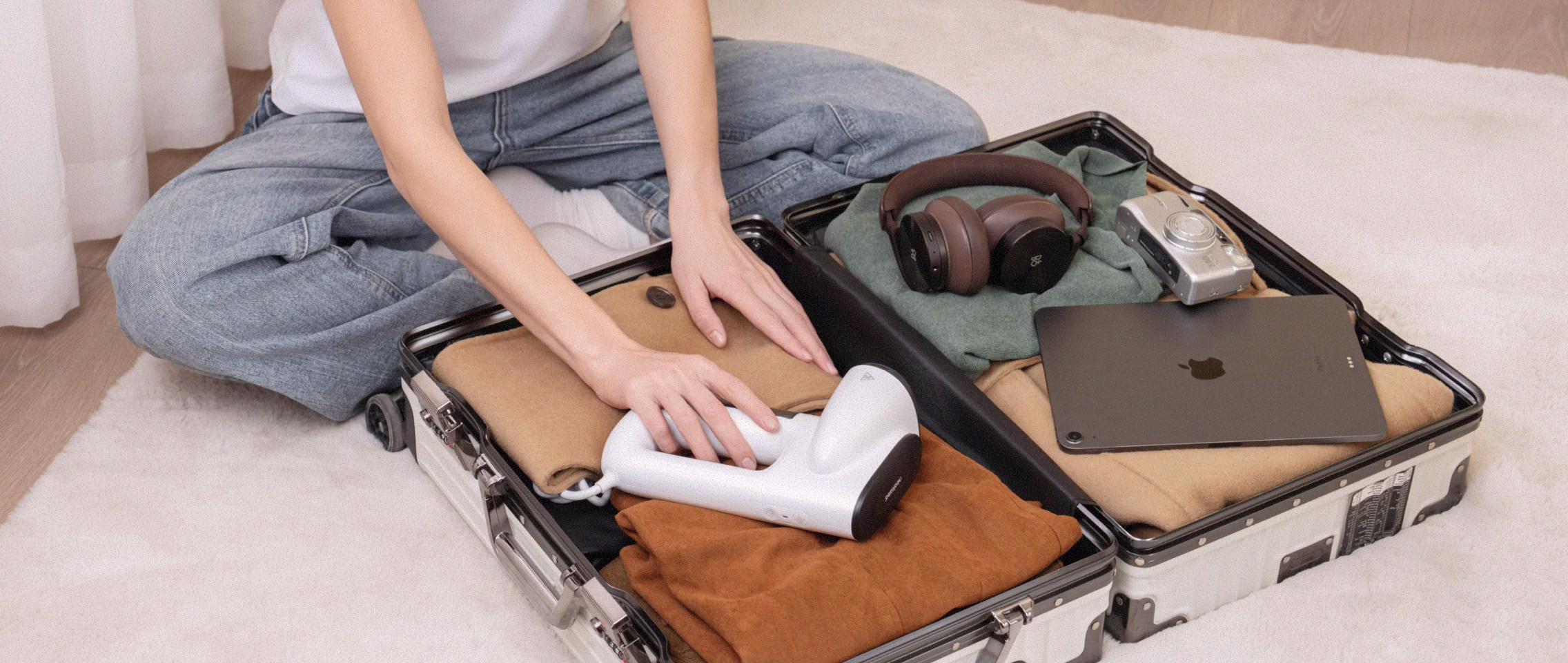
Packing isn't just about fitting everything into your luggage — it's about making your life easier on the trip. Airlines are strict with baggage limits, excess fees add up fast, and you don't want to be rummaging through a chaotic suitcase when you need something in a hurry. Here are some of the best packing hacks for travel: from preferred color palettes and strategies to useful items like packing cubes, backpacks, and travel wallets.
Start with a packing strategy
One of the most common mistakes is packing based on what you might want, rather than what you’ll actually use. A clear list helps you focus on essentials and avoid throwing things in at the last minute.
Plan outfits by day and activity
Think in terms of complete outfits rather than individual items. If you’re traveling for five days, plan five outfits based on your itinerary, whether that’s sightseeing, dining, exploring, or going to the beach.
Always plan out the full look, including shoes and accessories — this keeps you from spending hours deciding on what to wear.
Stick to a color palette
Choose neutral tones like black, white, beige, and denim, and add a few statement pieces. A neutral palette is easier to mix and match, reducing the number of additional items you’d pack.
Use the “rule of 3”
The formula is: for every bottom, bring up to three tops that can pair with it. You’ll have multiple outfits to wear and avoid overpacking.
Check more than just the weather
Look into cultural expectations as well. Some destinations require more modest clothing, so packing tank tops and shorts you won’t be comfortable wearing is not a good idea.
Use packing cubes to stay organized
Ever opened your suitcase mid-trip and found everything in disarray? Packing cubes for travel are a game-changer. They help compress your clothes, separate categories like tops, bottoms, underwear, and sportswear, and make unpacking easier, especially if you’re moving between multiple accommodations.
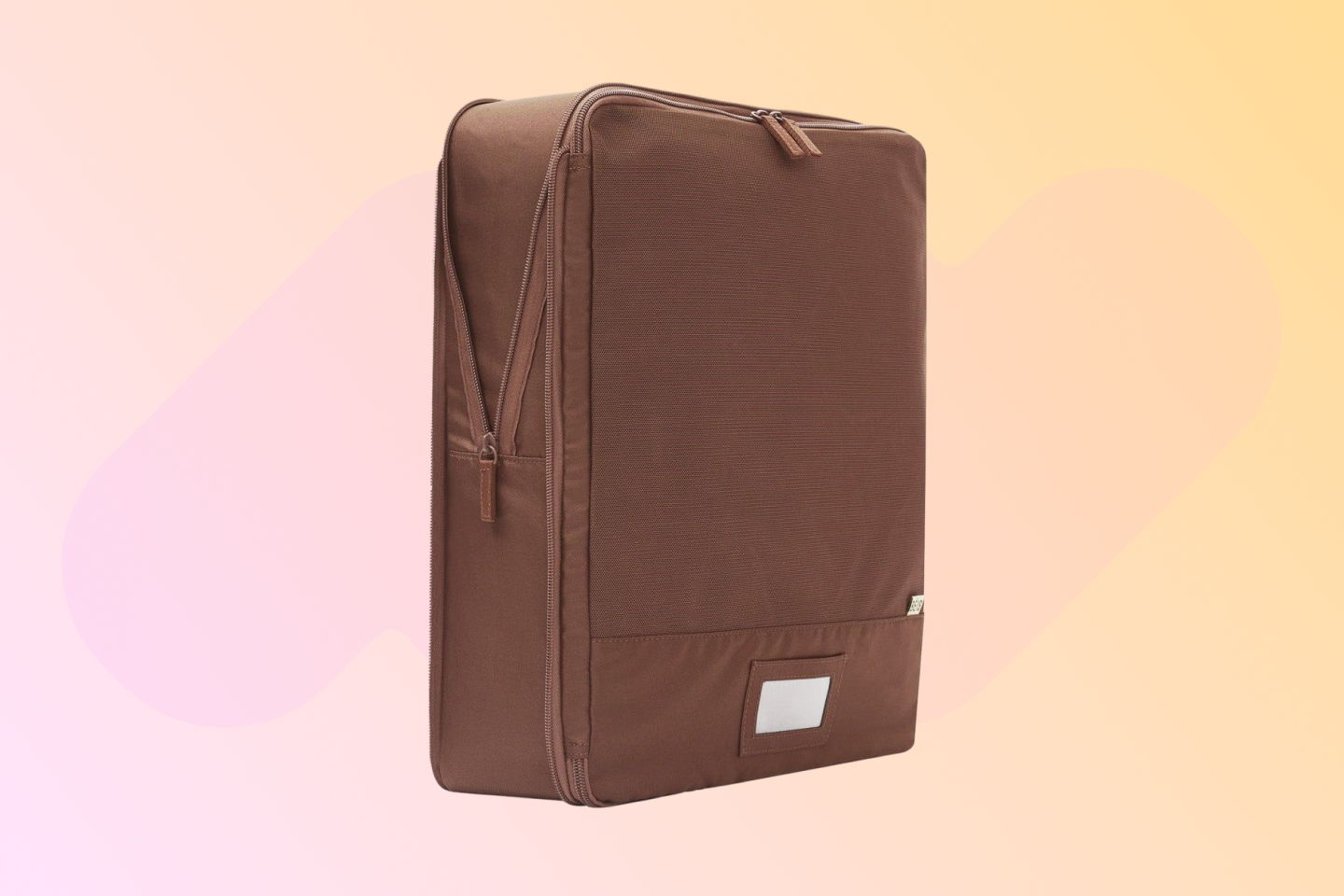
Best travel packing cubes usually have compression zippers for extra space-saving, lightweight, durable fabric, and a variety of sizes for better organization. Affordable packing cube options are easy to find in Qatar, whether at sports retailers like Decathlon and Centerpoint or online platforms like Noon. Their pricing starts from QAR 30 and can go all the way up to QAR 300, depending on the type and collection.
Rolling vs. folding: Which saves more space?
This debate comes up often, but the answer isn’t one-size-fits-all.
Rolling works best for T-shirts, casual wear, and soft fabrics. It reduces wrinkles and makes it easier to fit items into tight spaces. On the other hand, folding is better for structured clothing, like blazers, dresses, and button-down shirts. It helps maintain shape and prevents creasing in more delicate pieces.
So, the most effective approach is to use both techniques. Roll softer items to maximize space, and fold structured pieces to keep them neat.
Strategize your carry-on
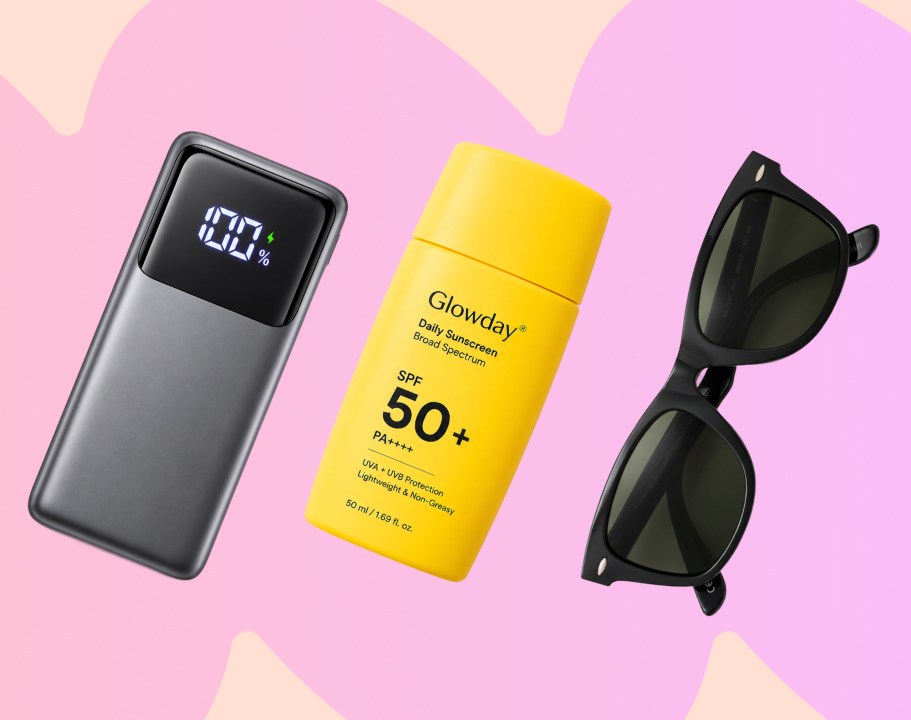
A well-packed carry-on isn’t just convenient; it’s a trip-saver. Delayed or misplaced luggage is still a reality of modern travel. Having a few important items in your carry-on allows you to have all your necessities with you, even if your luggage gets lost.
Here are some of the items you should put here:
Choose the right backpack
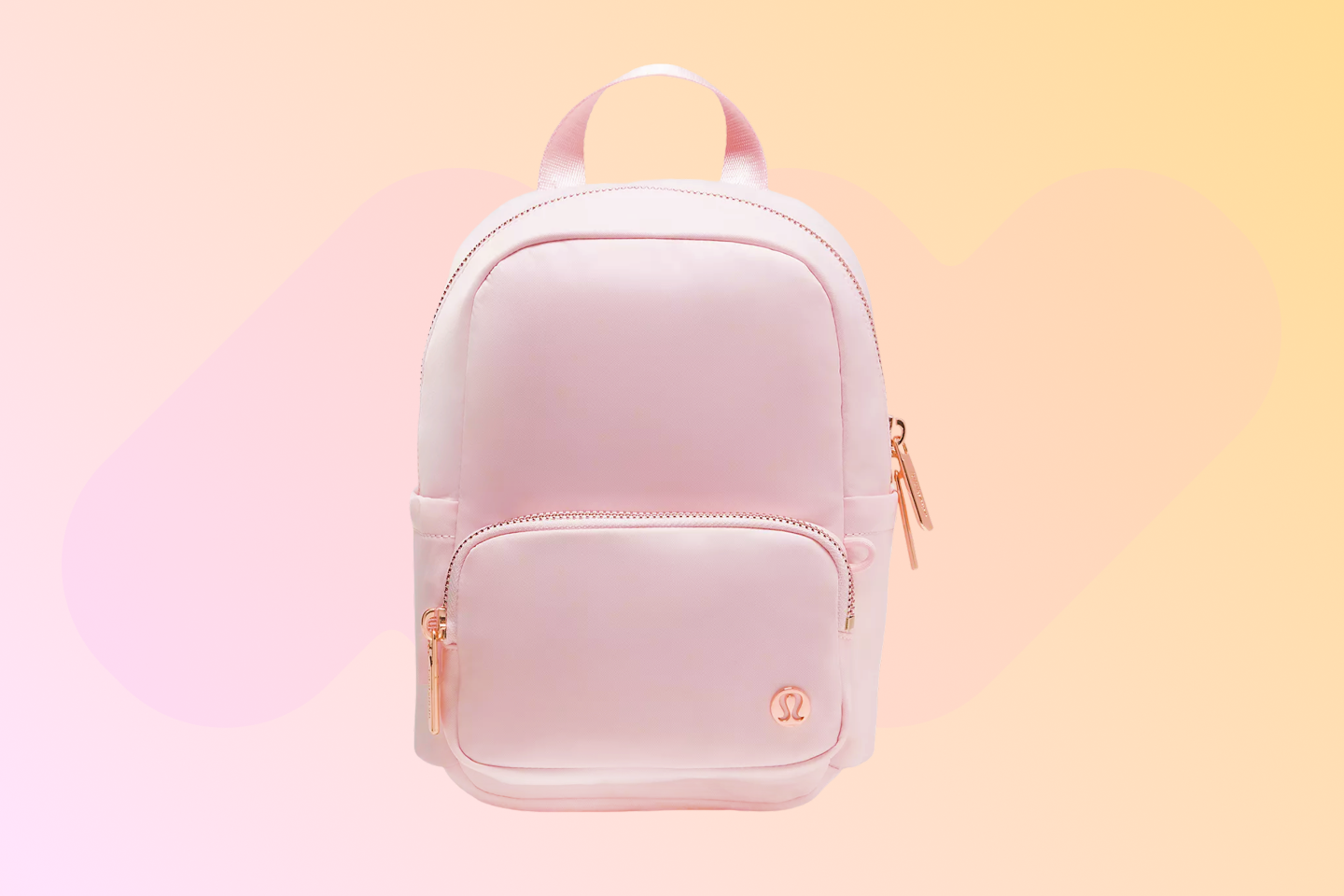
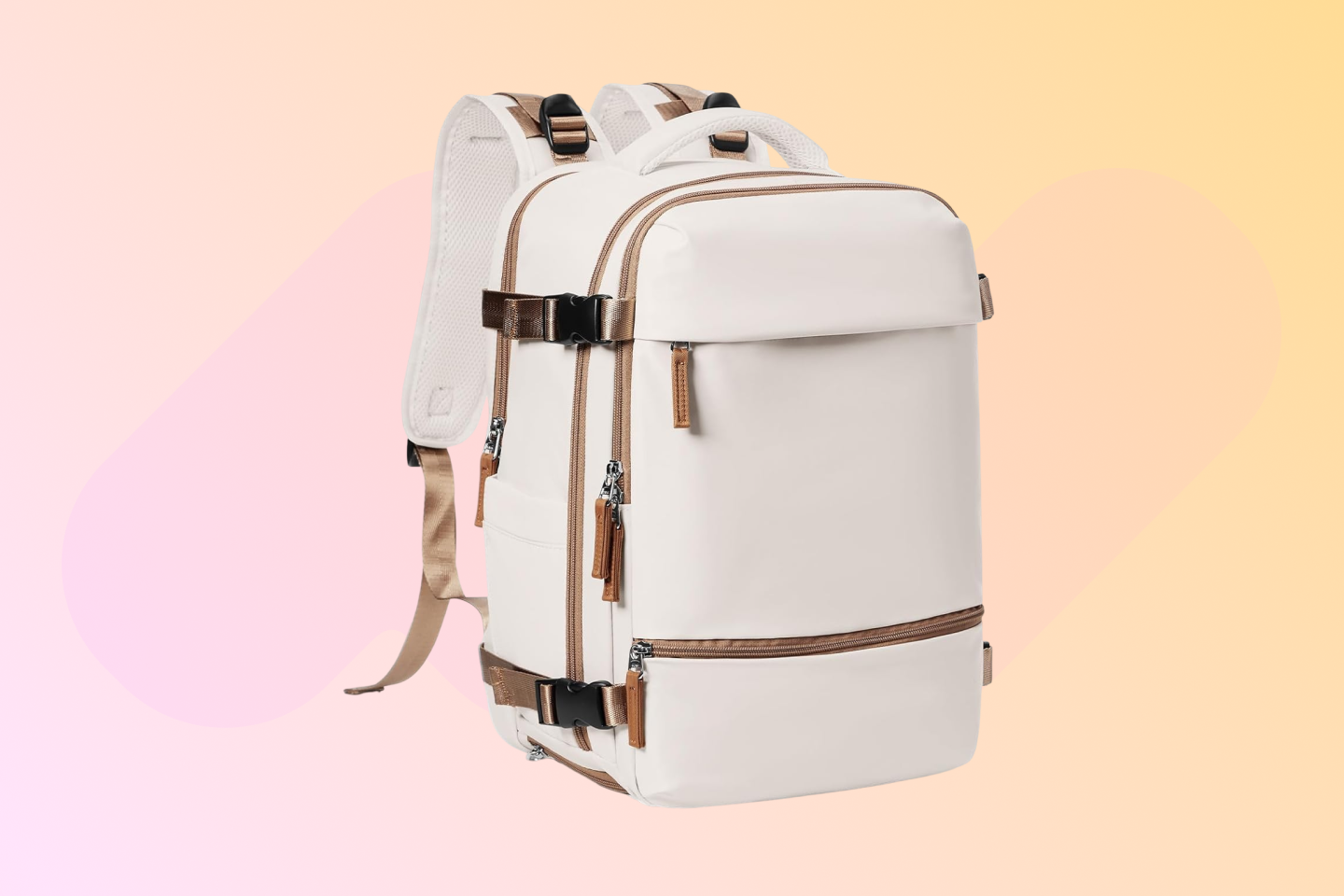
A good travel backpack should make moving through airports and cities easier, be big enough to fit your essentials, and not be too bulky to carry around. In Qatar, stores like Decathlon, American Tourister, and other retailers in major malls offer a range of practical options, from minimalist daypacks to larger carry-on backpacks.
Best budget travel backpacks usually have a lightweight design, multiple compartments for organisation, and, if you need it, a padded laptop sleeve. Also, don't forget to check if the straps are comfortable and provide solid back support.
For shorter trips or city travel, a compact daypack is often enough.
For longer journeys, a structured carry-on backpack can replace a suitcase entirely.
Consider a travel wallet
Traveling requires constant access to documents: passports, boarding passes, cards, sometimes even printed confirmations. Best travel wallets keep everything in one place, reducing the need to search through your bag at every checkpoint.
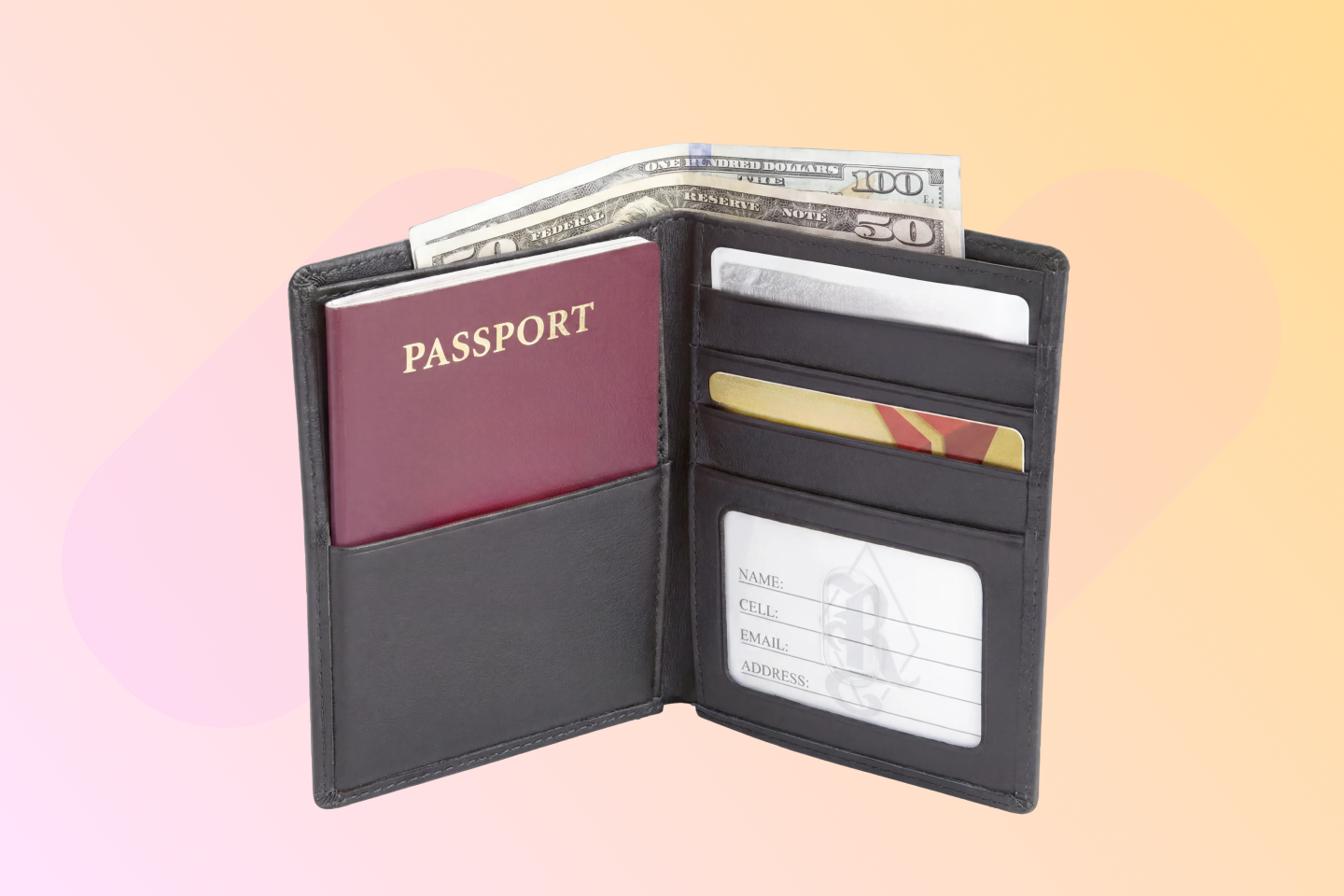
Your travel wallet should have a slim, compact design and separate compartments for documents and cards. Moreover, consider investing in one with RFID protection for added security. You can find them in supermarkets like Lulu or on large shopping platforms such as Noon. The pricing starts from QAR 40 and goes up to QAR 700 for fancier materials and additional security.
Invest in a luggage scale
Having a great plan doesn’t mean everything will go smoothly, especially if you love souvenirs or go on a shopping spree. Investing in a luggage scale can help you ensure that your luggage doesn’t exceed the planned weight, saving you from additional charges or having to sit at the airport unloading your suitcases to meet the desired weight.
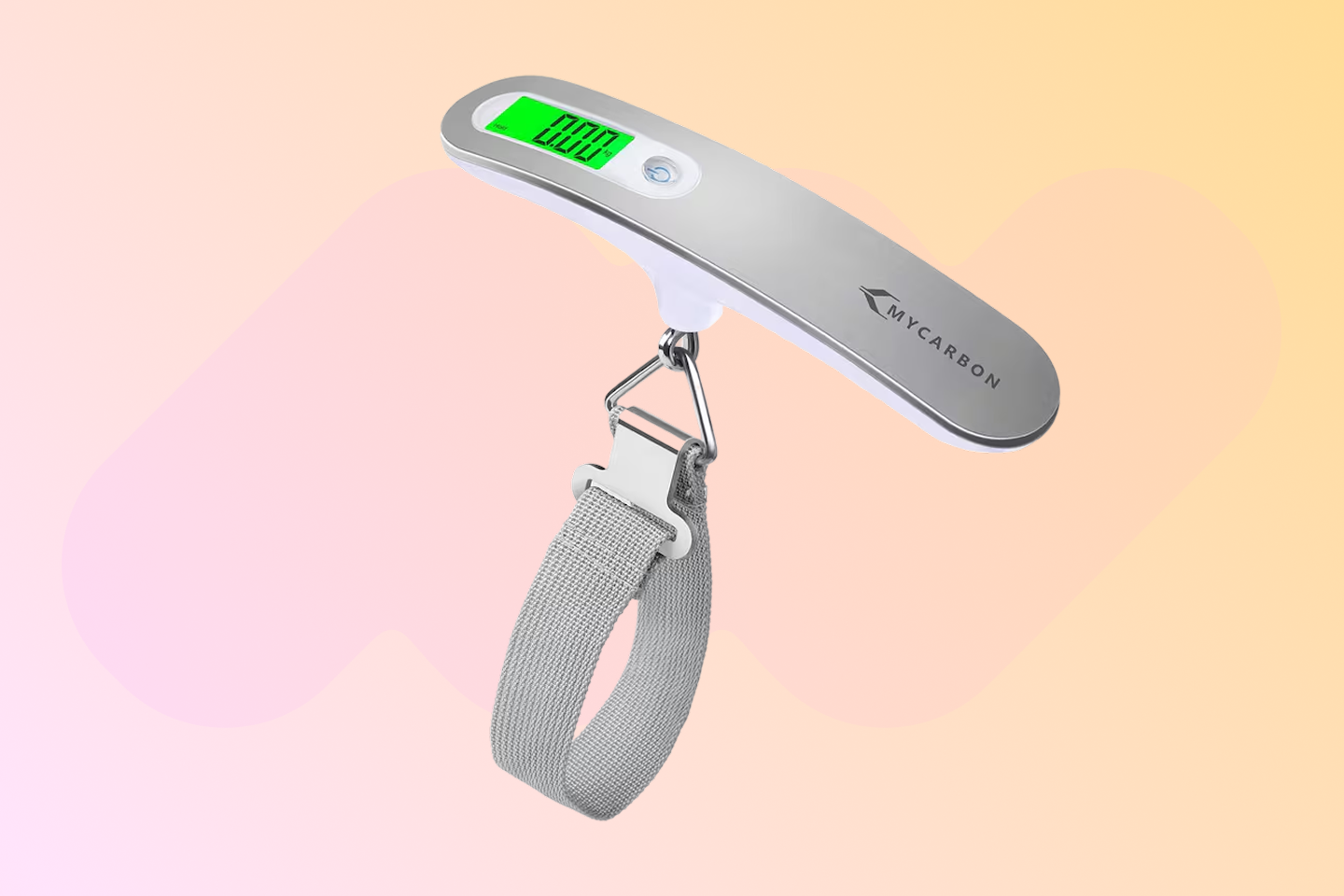
If you don’t want to bring a luggage scale with you, ask the hotel you’ll be staying at whether they have one so you can weigh your suitcase before departing.
Additional space-saving tips
Want to save even more space? Wear your bulkiest items on the plane. Jackets, hoodies, and heavy shoes take up valuable space, so wearing them on the plane frees up room in your suitcase. Furthermore, use shoes as storage. Fill shoes with socks, chargers, or small accessories to maximize every inch. Also, opt for mini toiletries, as full-size bottles are bulky and often unnecessary.
If you don’t mind paying extra for laundry, consider this option during the trip instead of overpacking. This is great, especially for trips longer than a week, as you won’t need to pay for a bigger suitcase.
When you pack, leave space for souvenirs and shopping. You’ll avoid scrambling at the end of your trip trying to fit new purchases.
Don’t overlook travel insurance
Delays, lost baggage, and unexpected medical situations can disrupt even the most carefully planned trip.
A good travel insurance plan should provide coverage for lost or delayed luggage, protection against unexpected medical expenses, and support for trip disruptions, so that even when something doesn’t go as planned, you can at least have some financial relief.
FAQ
What is a travel adapter?
What is the 5-4-3-2-1 packing method?
What are the biggest packing mistakes to avoid?
What is the most forgotten item when traveling?
Is it better to roll or fold your clothes when traveling?
How to not overpack for a 3-day trip?