Contents
Built for fuel efficiency, compact streets, and everyday family use, the Toyota Yaris is the definition of a practical city car. So how did it end up on a racetrack at the Toyota GR Yaris Cup Qatar? Here’s how Toyota turned one of its most sensible cars into a race-ready machine, and five rally-style alternatives currently available on the Qatari market.
How the Toyota Yaris became a racecar
The Toyota Yaris is known as a small, agile vehicle. It launched in Japan in 1999 and in Europe in 2001. Yaris' fuel efficiency made it perfect for city driving, and its reliability created a great family car. But Toyota’s then-CEO, Akio Toyoda, believed it was capable of even more. He wanted the brand to have a representation in the World Rally Championship (WRC), which meant creating a racing version of the Yaris: the GR.
Toyota manufactured the model with assistance from its Gazoo Racing (GR) division, which is where the name came from. The car had to meet the WRC's homologation rules, which required Toyota to produce at least 2,500 vehicles in 12 months. Also, the GR version had to use the same bodyshell as the regular Yaris, which made the challenge of creating a car suited to both WRC and daily driving even greater.
After creating multiple prototypes and thorough testing, the Toyota GR Yaris was unveiled in 2020 and has been in production ever since. Here are some differences between the original and the GR:
|
Feature |
Toyota GR Yaris |
Toyota Yaris |
|
Engine |
1.6-liter 3-cylinder turbocharged engine |
1.0/1.5-liter petrol engine; 1.5-liter hybrid engine |
|
Power |
280–300 horsepower |
68–120 horsepower |
|
Drivetrain |
All-wheel drive |
Front-wheel drive |
|
Acceleration to 100km per hour |
5.5 seconds |
9–11 seconds |
|
Top speed |
230 km per hour |
170–180 km per hour |
|
Price |
QAR 170,000–200,000 |
QAR 58,000–65,000 |
The GR Yaris interior has a sophisticated vibe, featuring seats upholstered in a mix of suede and standard leather, and a leather-wrapped steering wheel. It also features dual-zone climate control, heated seating (driver and passenger), a head-up display, and a standard 7-inch display screen.
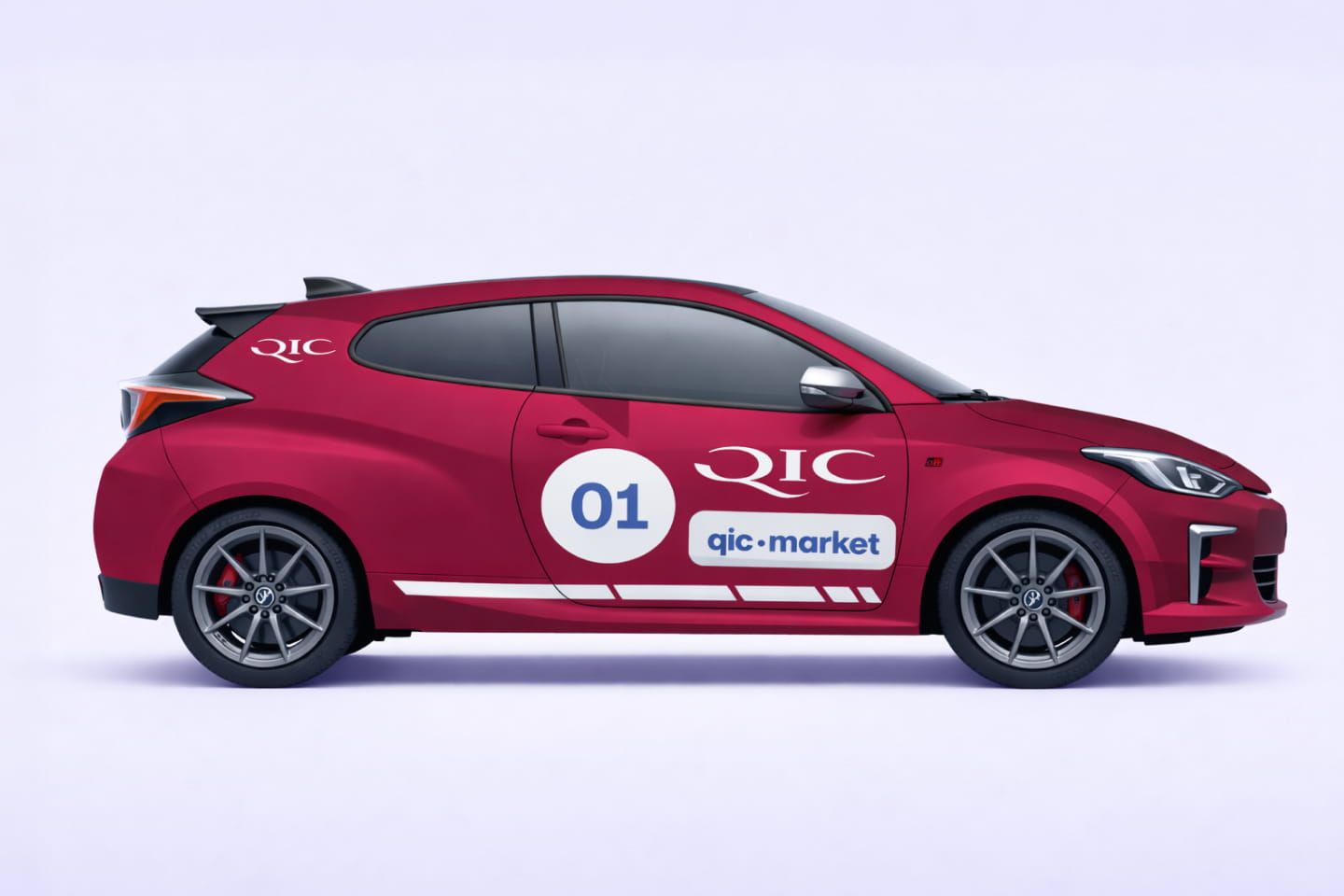
On the exterior, the car has a GR rear spoiler, LED headlamps, and both front and rear disc brakes. Furthermore, the vehicle uses the Toyota Safety Sense system, which comes with adaptive cruise control, lane departure alert, Blind Spot Monitor (BSM), and emergency steering assist.
Toyota GR Yaris Cup: Event info
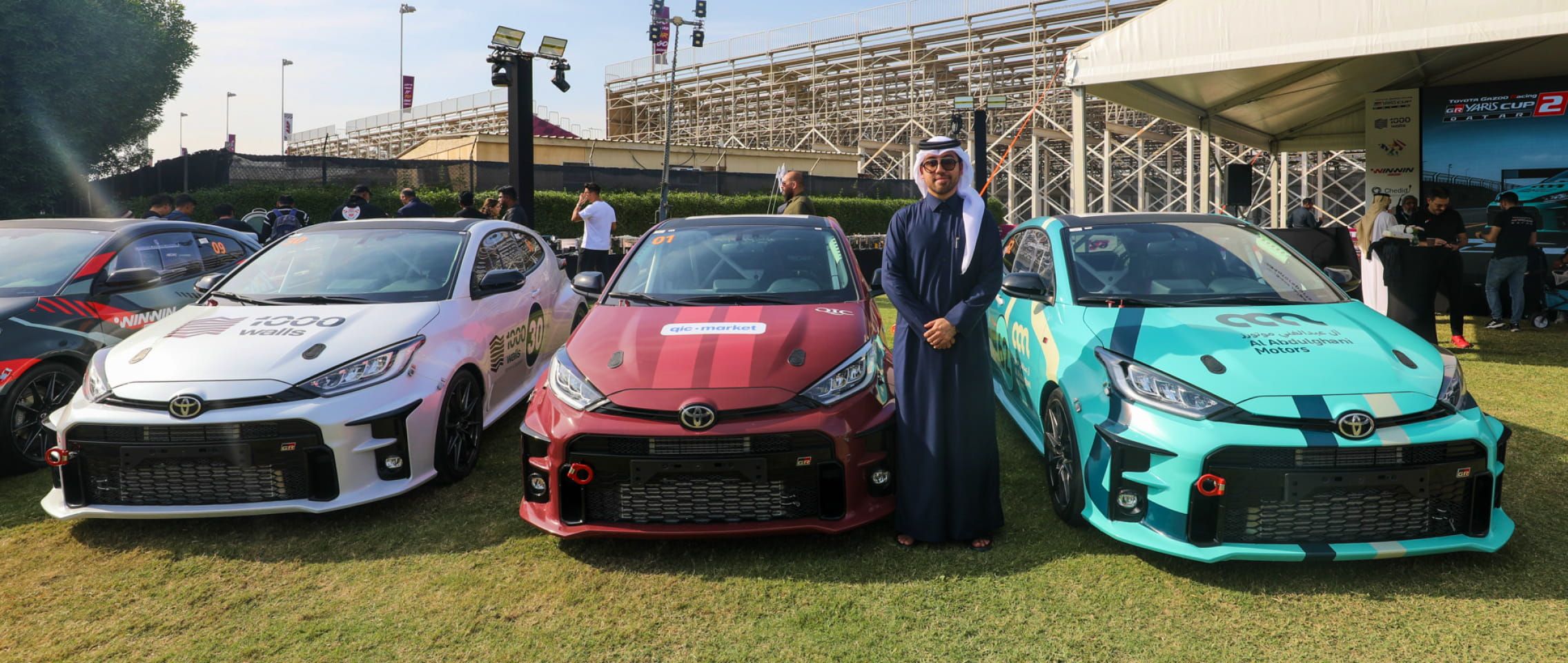
In 2025, Al Abdulghani Motors organized its first racing series, in which ten participants competed with the same Toyota GR Yaris model. Drivers compete under identical conditions, making it a pure competition that tests strategy, skill, and technique.
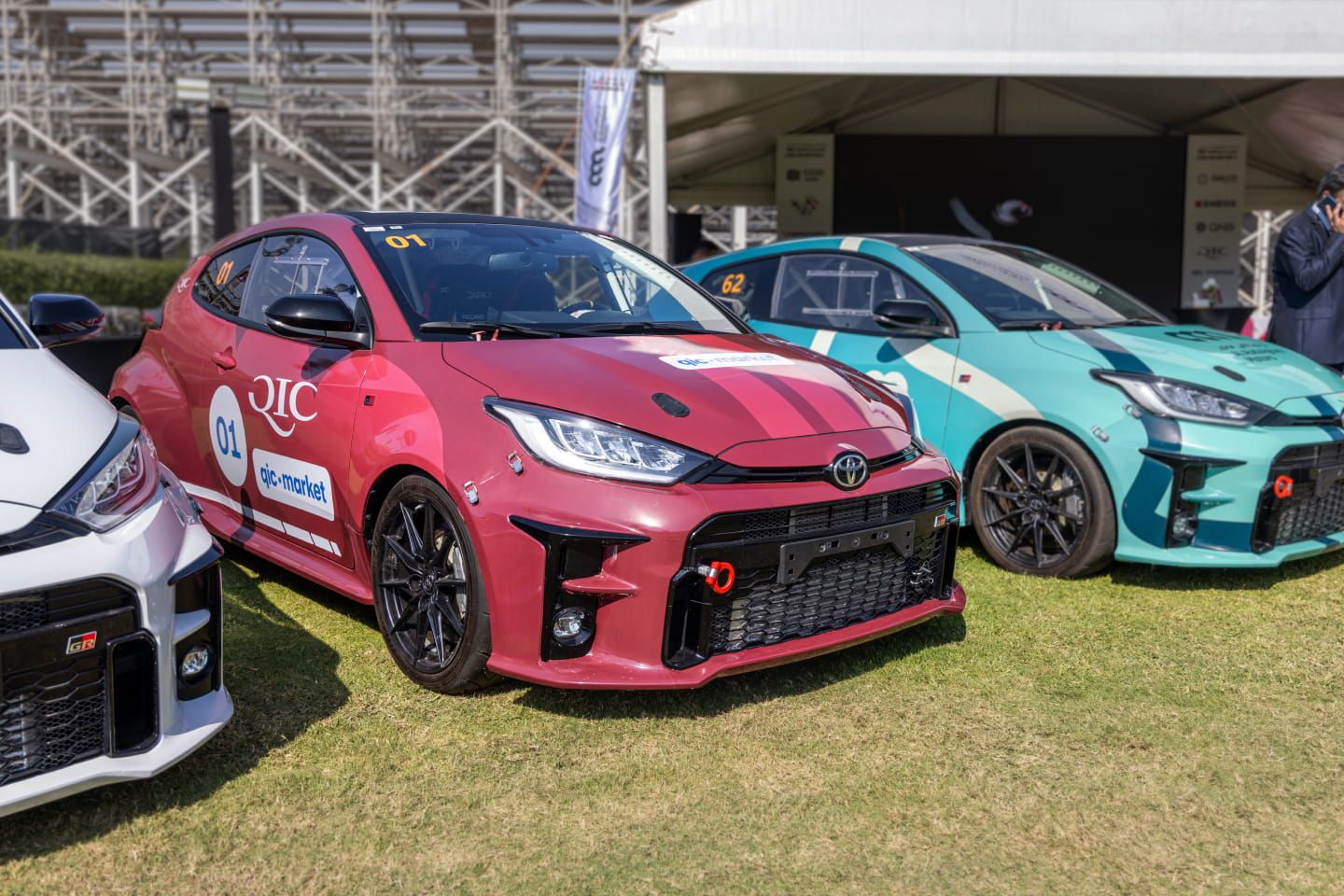
This year’s race will be held through four rounds:
-
Round 1: January 30 & 31, 2026
-
Round 2: February 12 & 13, 2026
-
Round 3: February 27 & 28, 2026
-
Round 4: April 17 & 18, 2026
The first day of each round is reserved for testing the track and qualifications, while the second day will include races, podium, and media events. All rounds will be held at the Lusail International Circuit.
If you plan to visit this year’s GR Yaris Cup, keep in mind that it is not only about the race; there will be many fan engagement zones, including interactive promotions, racing simulators, and hot laps. Also, many sponsors and brands will be present, including Qatar National Bank, Ooredoo, Qatar Living, Eneos, and QIC. General entry is free.
What pilots love about the GR Yaris
The driver of the racecar sponsored by QIC, Khalid Al Maraghi, shares his insights on the GR Yaris.
Compared to other race cars, what are your favorites when it comes to GR Yaris?
What makes the GR Yaris stand out the most is its rally-inspired engineering and a compact driver package. It doesn’t rely on electronics heavily, and its rigid structure and lightweight design make the car much easier to drive and actually enjoy the ride.
Did it take long to get used to it? What skills does this car demand from a driver?
The learning curve is much more about refining the technique than learning how to navigate it. So the key skills here would be precision, especially for the tight engine powerband, and of course, confidence with steering inputs, as the chassis is sometimes too quick to respond.
What surprised you the most when you pushed Yaris to its limits for the first time?
How composed it remained, even with more aggressive inputs. The jump from everyday driving to an intense pace felt natural.
Toyota Yaris and 5 other racing models on QIC Market
Toyota GR Yaris isn’t the only regular car upgraded for racing. Here are some models that became part of motorsport in the past — all available on QIC Car Market.
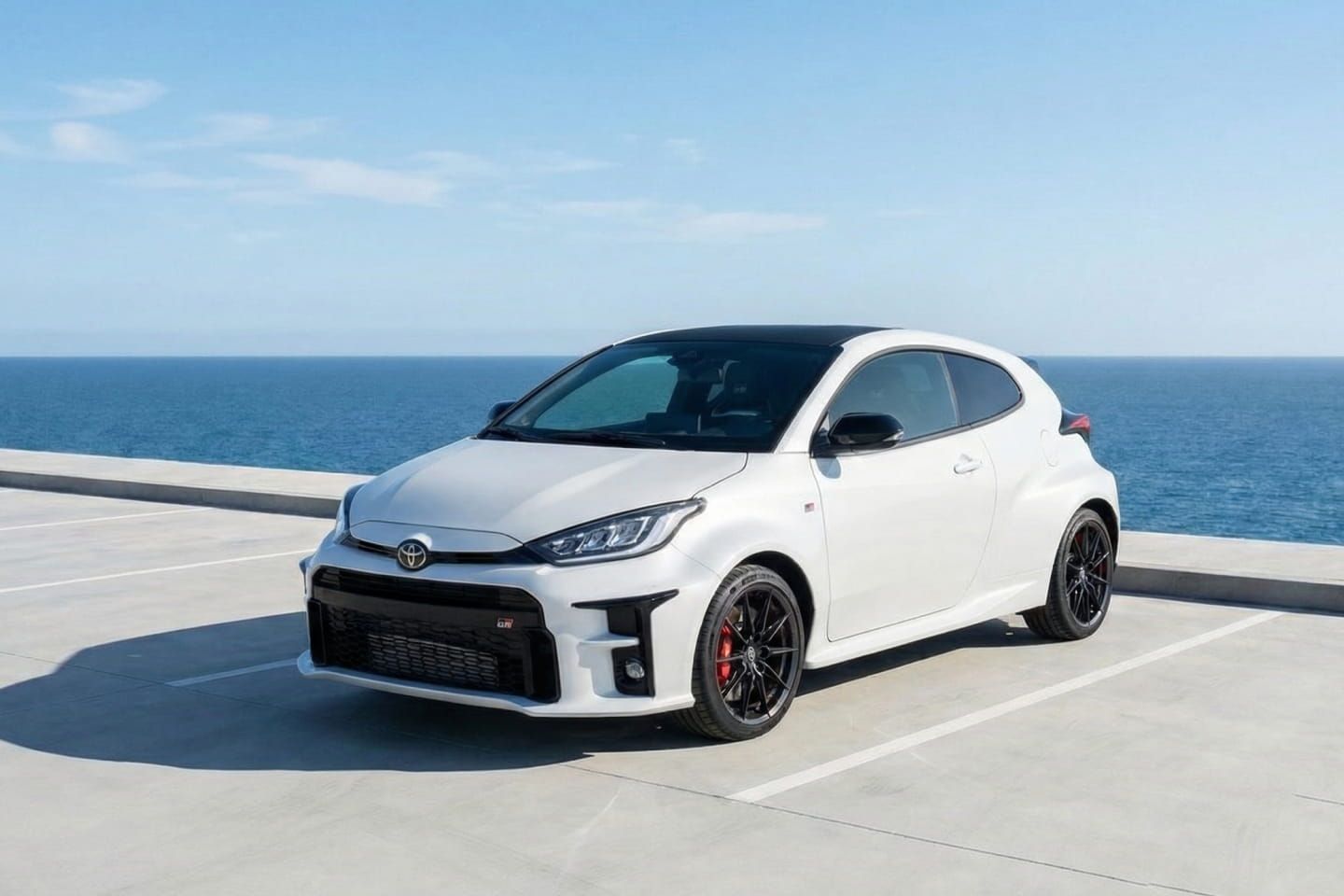
Toyota GR Yaris
-
Made by the Gazoo Racing division
-
Three-door hatchback with more than 250 horsepower
-
Mainly used in one-make races and the WRC
Current price on QIC Market: QAR 199,000
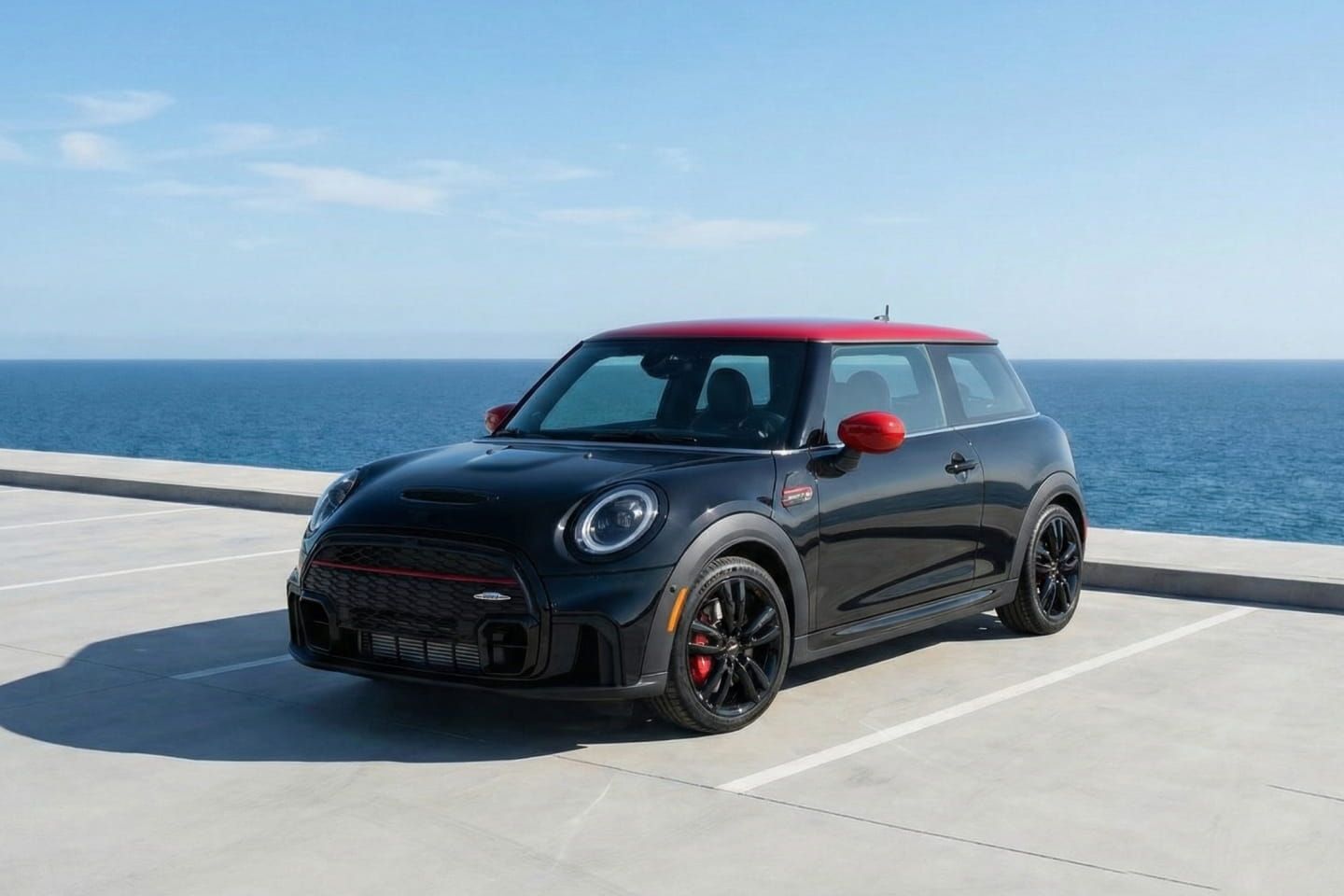
Mini John Cooper Works (JCW)
-
Upgraded version of the famous Mini Cooper
-
Power outputs around 230 horsepower for the convertible and over 300 for the GP version
-
Successful in modern endurance competitions, such as the Nürburgring
-
Used in many international races: Mini Challenge UK, the Mini Challenge Europe, and the 2011 World Rally Championship
Current price on QIC Market: QAR 104,999
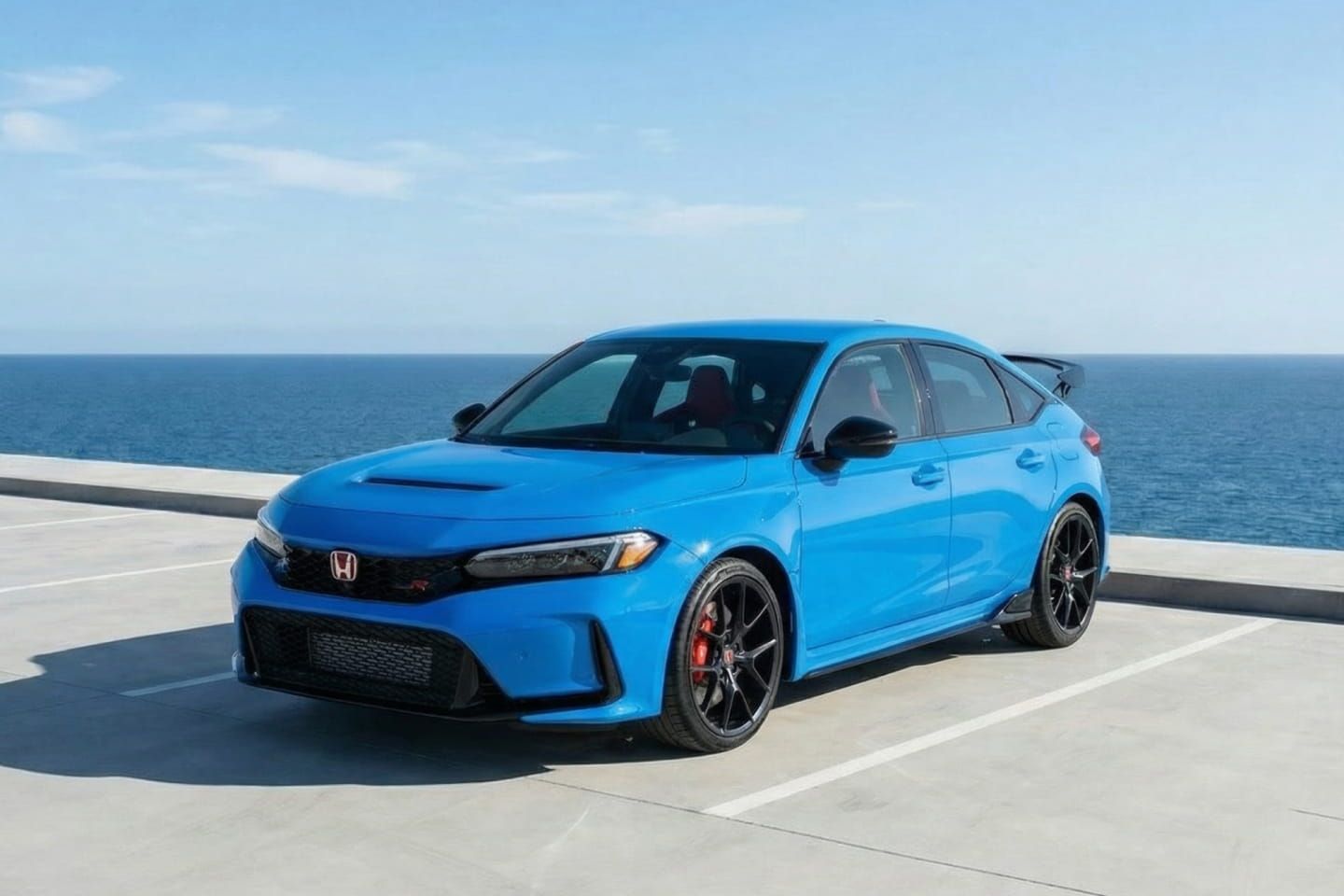
Honda Civic R
-
“R” marks the racing add-ons
-
An exceptionally powerful car with more than 300 horsepower
-
Used in races such as the World Touring Car Championship, Super GT, and British Touring Car Championship
Current price on QIC Market: QAR 194,999
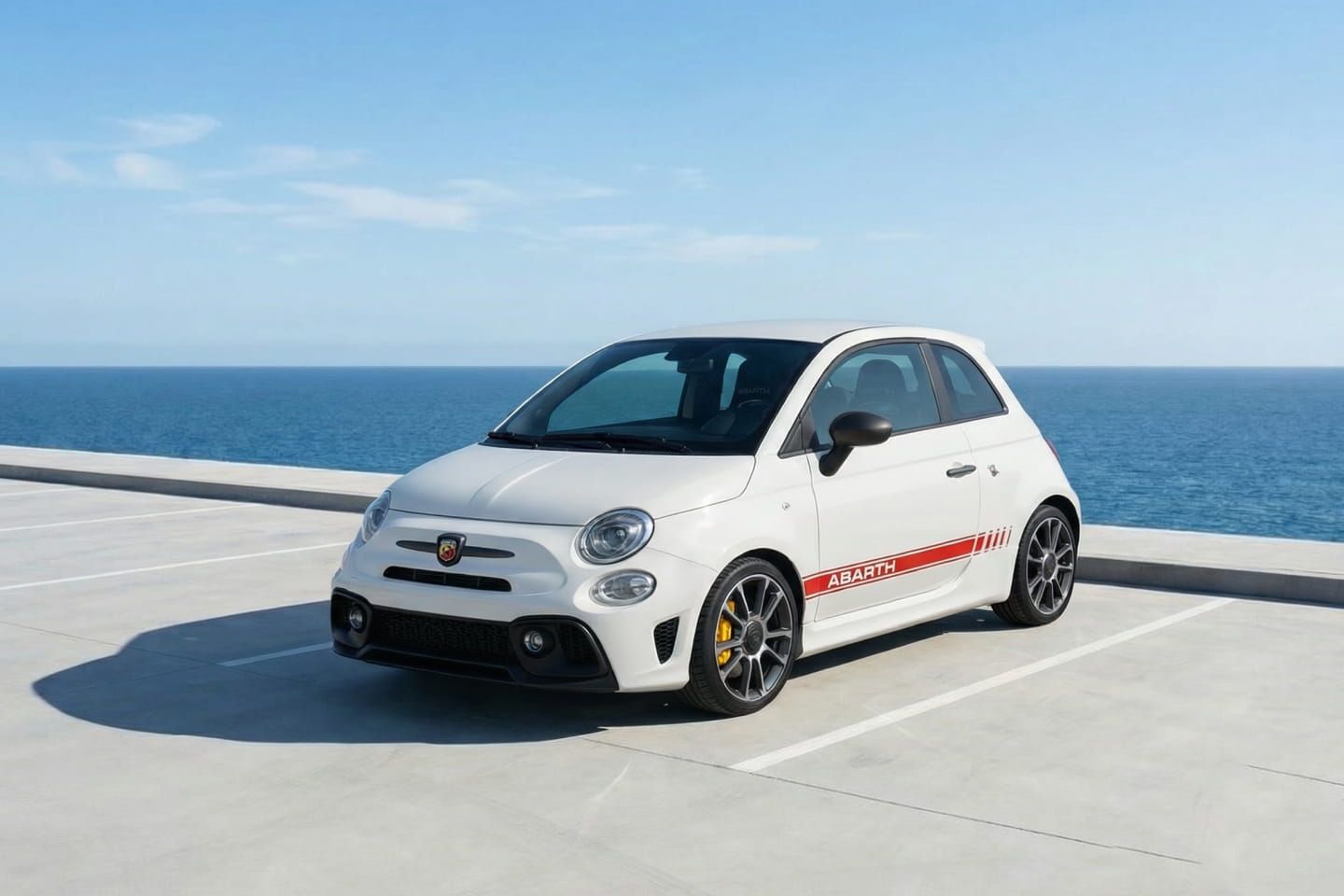
Fiat 500 Abarth
-
Racing version of the regular Fiat 500
-
Despite its small engine, the car produces up to 180 horsepower
-
The star of the Abarth 500 Cup Europe
Current price on QIC Market: QAR 70,000
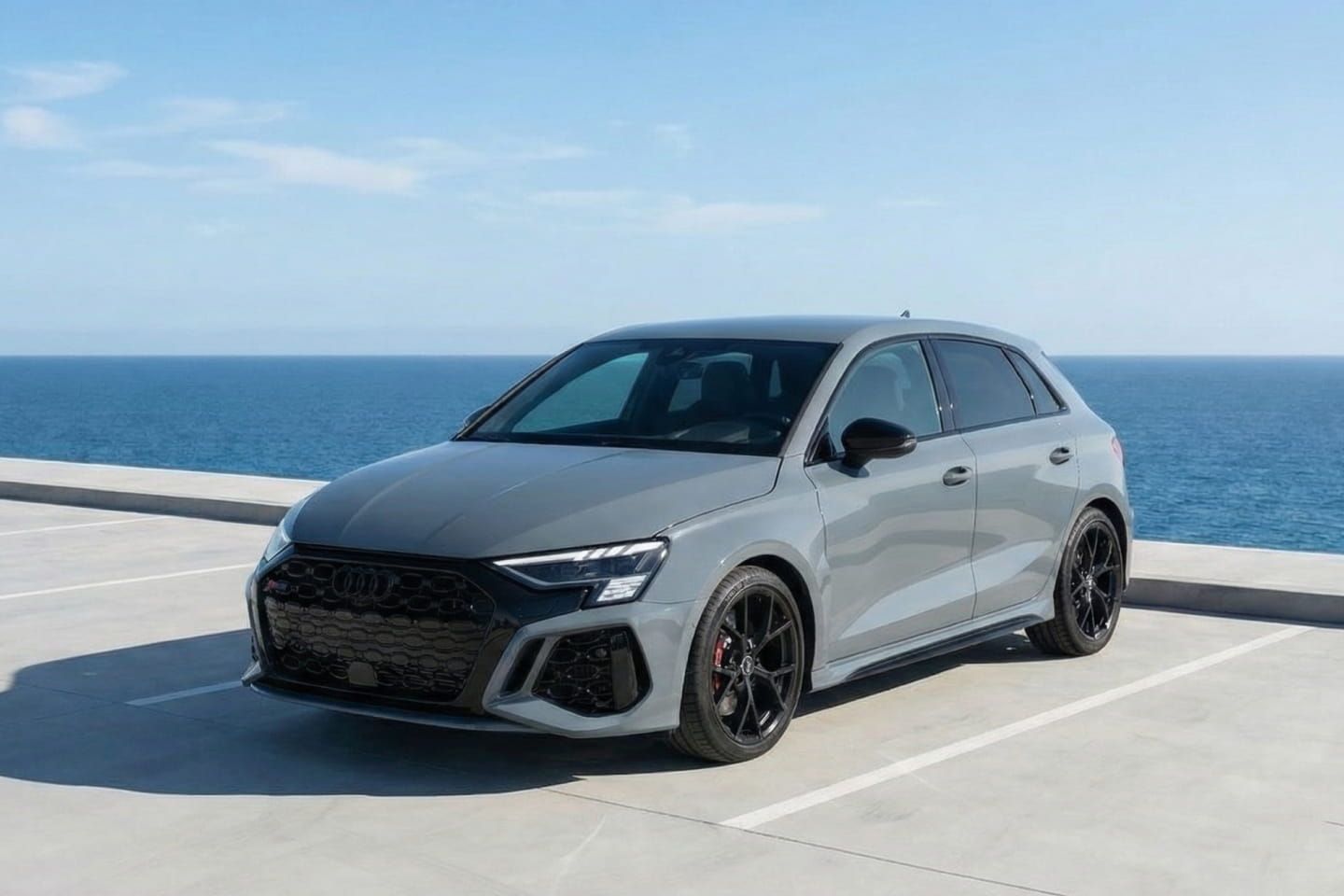
Audi RS3
-
The regular model also has excellent racing abilities
-
Uses a 5-cylinder turbocharged engine, which has won several engine awards
-
Used at many famous races, including the FIA World Touring Car Cup, TCR Europe Championship, and multiple Endurance Touring Car races
Current price on QIC Market: QAR 269,900
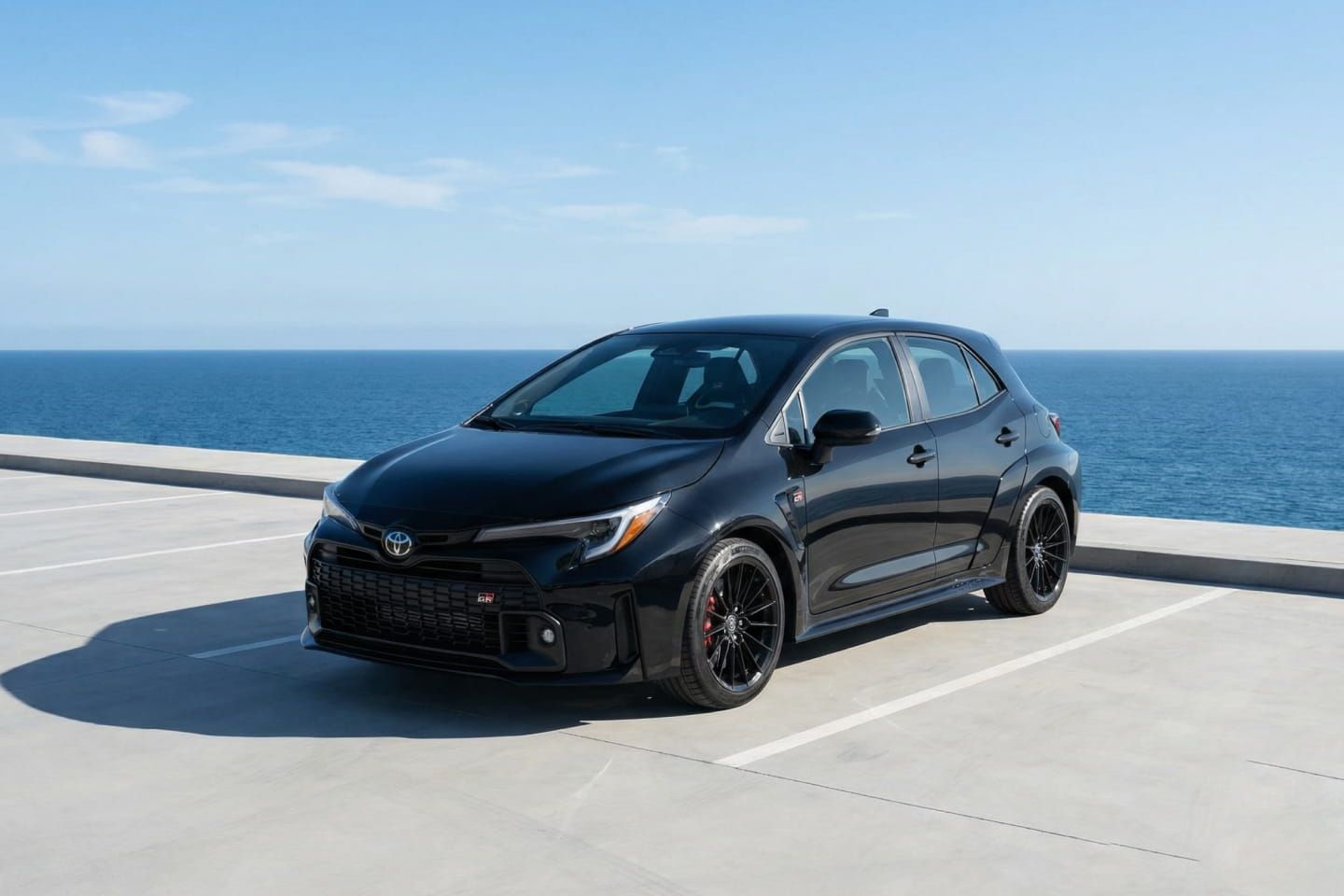
Toyota Corolla GR
-
Made by the Gazoo Racing division
-
Features an all-wheel drive system for exceptional cornering and agility
-
Mainly used in one-make races, such as the GR Corolla Cup Japan
Current price on QIC Market: QAR 199,000
All prices and availability reflect market conditions at the time of publication and may change without notice.