Contents
- How Fahes inspections work
- Functional exterior modifications usually pass
- For lighting changes, small tweaks have big consequences
- Suspension and ride height are okay in moderation
- Engine and exhaust modifications have the strictest rules
- Interior modifications rarely cause issues when installed properly
Fahes are annual inspections that your vehicle must pass to confirm it meets the required Qatar road standards. The rules for passing Fahes can be pretty strict. So, before planning any changes to your vehicle’s design or internals, it's smart to check the extent of modifications permitted. This guide, based on official Fahes recommendations, goes over common adjustments and whether they can get you in trouble.
How Fahes inspections work
Despite what many people assume, Fahes inspectors aren’t judging style. They’re not impressed by aggressive looks or annoyed by subtle upgrades — they’re focused on function. Each vehicle category has its own checklist: light cars undergo different scrutiny than heavy trucks. But the core principles remain consistent: does this car meet safety standards, and does it emit acceptable pollution levels?
If a car looks balanced and put together, it usually moves through inspection without much friction. Vehicles that feel extreme, unfinished, or awkward tend to attract attention, not because of taste, but because problems often hide there.
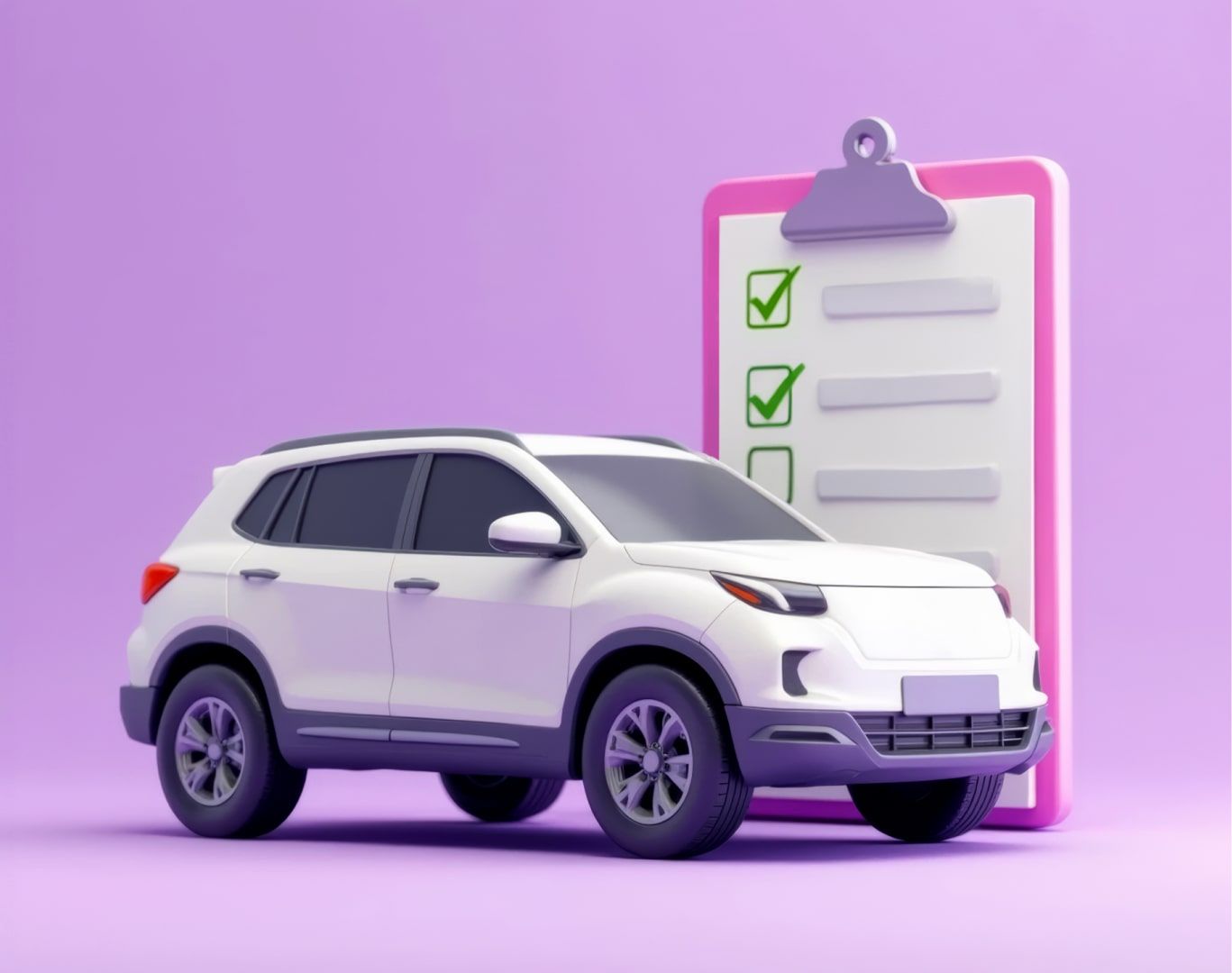
To help you understand the state your car must be in to pass, Fahes prepared a list of vehicle preps. Based on this list, every major change must be cleared with the Traffic Department first. A big modification is anything that affects the function and key specifications of your car. Moreover, an official approval is required for structural changes, major engine work, and significant visual alterations. The reason this doesn’t sound specific enough is that the extent of modifications allowed highly depends on your model. But, when in doubt, always double-check with the Traffic Department!
To avoid last-minute modifications and missing the deadlines, clear everything with the Traffic Department at least a few weeks in advance. Also, keep the original parts until the car passes Fahes, just in case.
Functional exterior modifications usually pass
Exterior changes are often the safest starting point, if they are reasonable and don’t affect the functionality. Most drivers pass inspection with:
-
Manufacturer-approved alloy wheels
-
Repainted bodywork that’s properly registered
-
Small spoilers or trim pieces that don’t stick out excessively
Where things go wrong is scale: oversized wheels, body kits that sit too low, parts that look like they were forced into place rather than designed for the car. Inspectors notice when tires don’t sit naturally within the arches or when panels don’t line up cleanly. If it looks impractical for daily driving, it probably is.
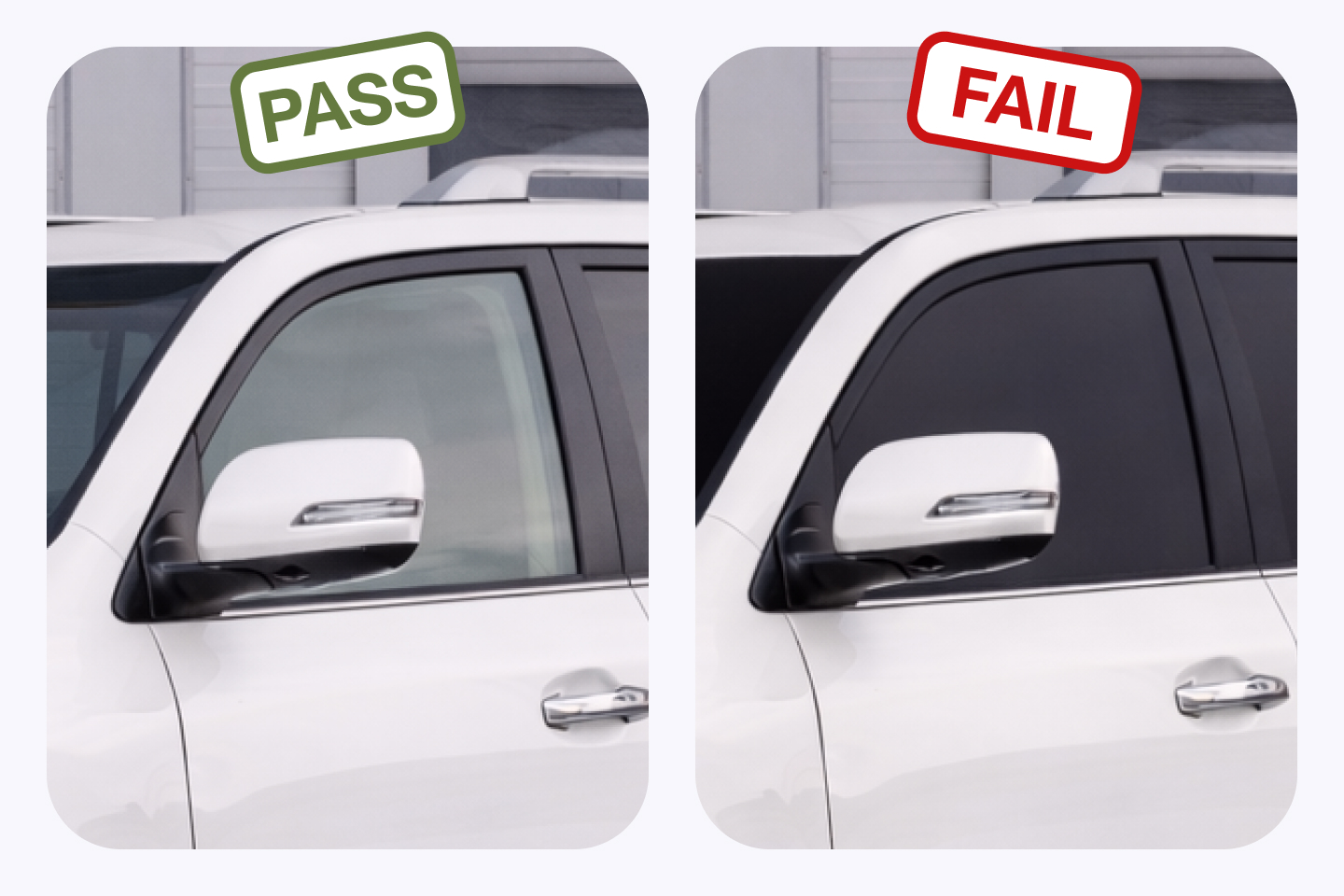
Window tinting is another common area where drivers miscalculate. Qatar has specific regulations about tint darkness levels. Too dark, and you'll fail. The exact permitted percentage varies between 10% and 20%, but inspectors check this in detail. When in doubt, keep tinting within manufacturer recommendations or skip it entirely.
For lighting changes, small tweaks have big consequences
Lighting is a common cause of inspection failures. Standard white or slightly yellow headlights are usually fine, as are OEM-style LED upgrades with proper alignment. The situation is different for major color changes—blue, purple, or any decorative color is a no-go. Furthermore, brightness and clarity matter. Anything that distracts other drivers is a problem.
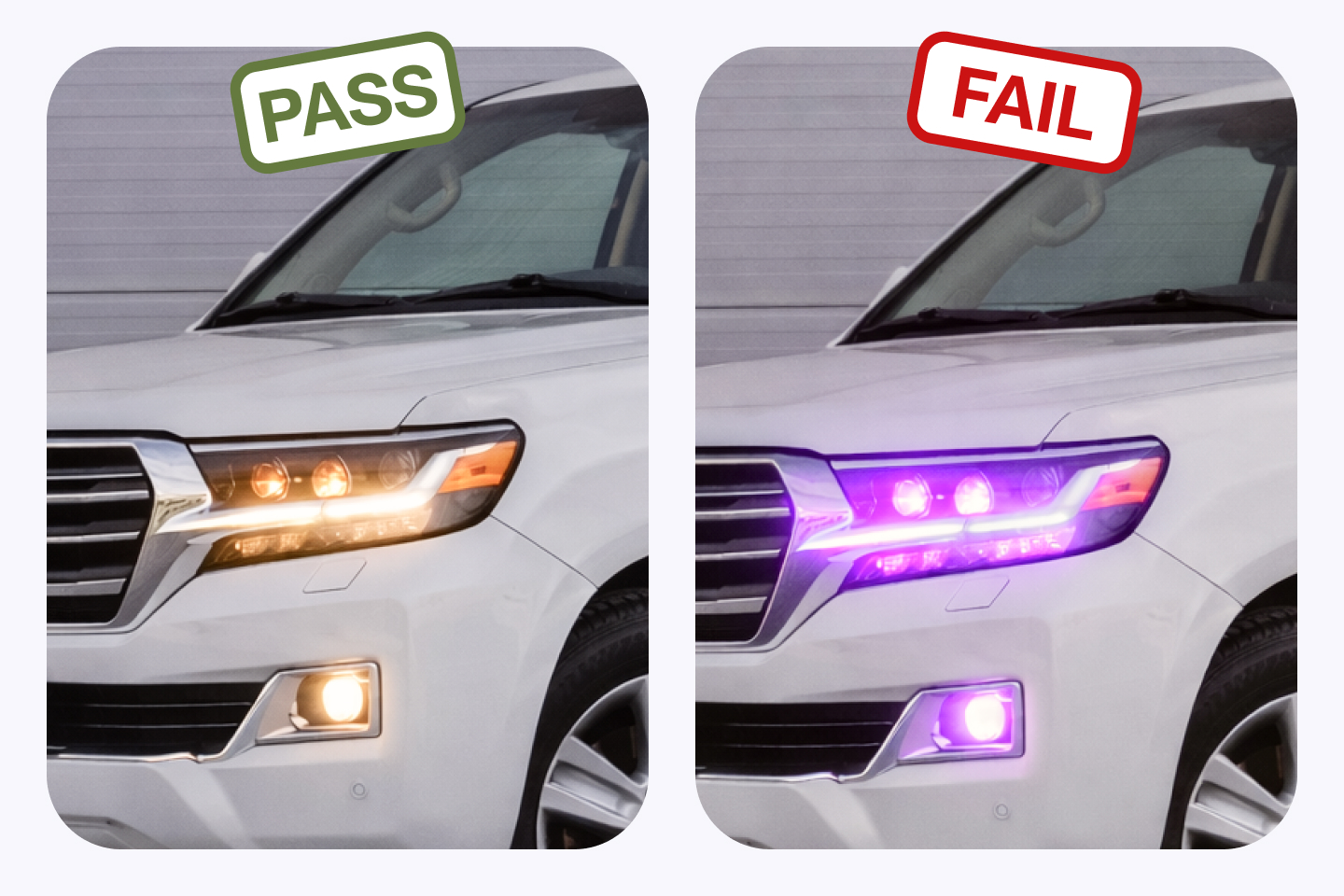
Even underbody lights or subtle decorative LEDs can cause a failure if they’re visible during inspection. Headlight aim is also important. Misaligned headlights, whether due to aftermarket installations or normal wear, can lead to rejection. So, before inspection, verify that your lights point correctly.
Suspension and ride height are okay in moderation
Lowered cars look great, but Fahes isn’t about looks. It’s about clearance, control, and practicality. Mild suspension changes that still handle speed bumps and uneven roads usually pass, especially when the install looks clean and intentional.
Extreme drops are where things fail. Vehicles that scrape on standard speed bumps or have tires rubbing against wheel wells signal poor judgment to inspectors. These setups compromise safety and handling. If you're serious about lowering your car, research Qatar-specific suspension brands that maintain proper geometry while achieving a sportier stance.
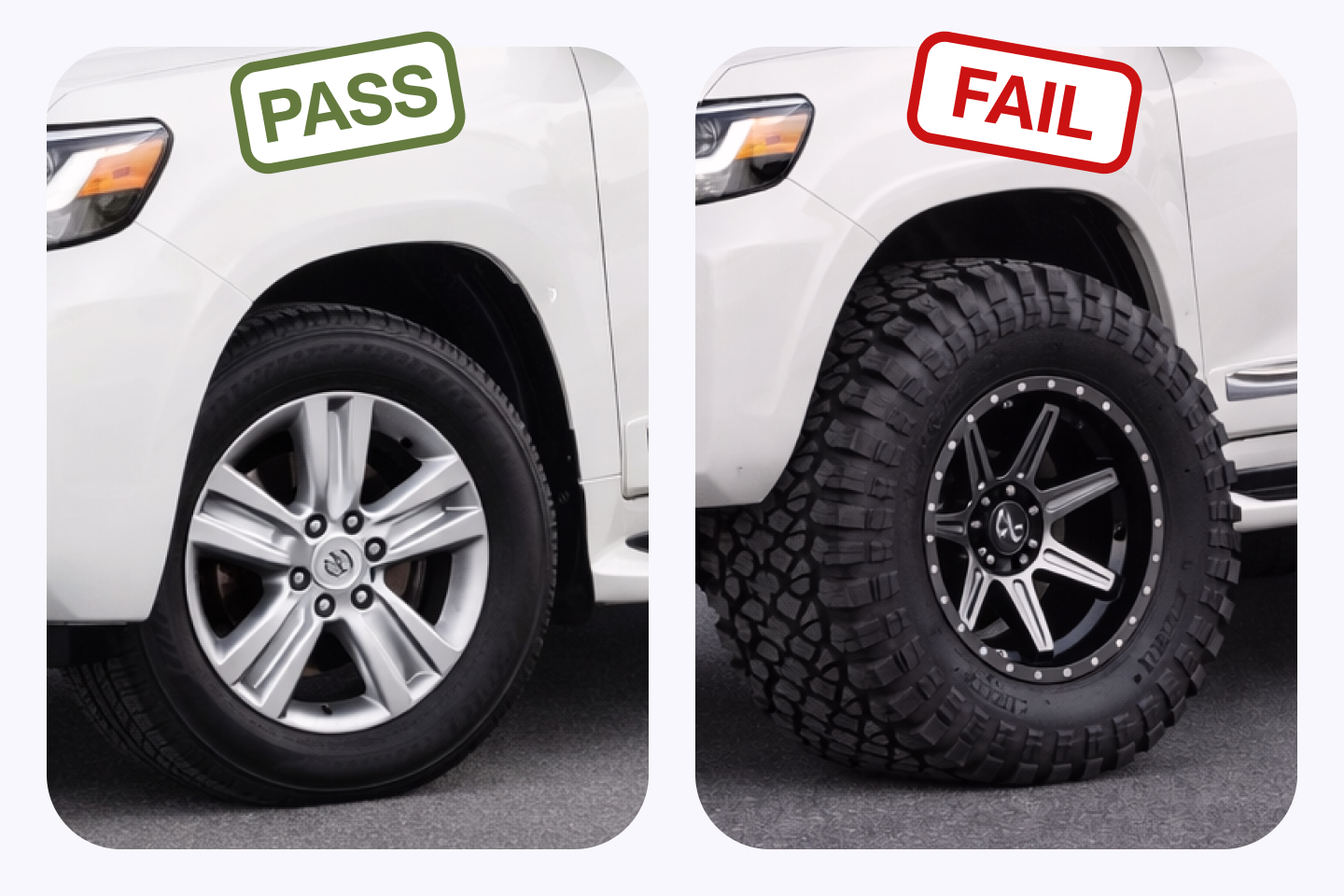
Extreme lowering is a different story. Inspectors check underbody clearance, steering response, and how the car sits when stationary. If it looks like a struggle to drive on normal roads, it may fail — even if nothing is technically broken.
Engine and exhaust modifications have the strictest rules
This is where the regulations tighten. Air filters that don’t affect emissions are often permissible. Exhaust systems that keep noise under control may be somewhat risky. But straight pipes, removed catalytic converters, or loud exhausts are almost always a fail.
Inspectors aren’t impressed by performance numbers. In case the car sounds aggressive at idle or during light acceleration, chances are the inspection won’t go far.
Cold-air intakes and minor performance chips may pass if they don't trigger emissions issues. But once emissions readings jump above acceptable limits, the modification becomes irrelevant. You'll fail regardless of how clean the install looks.
For serious engine work, emissions compliance isn't optional — it's the baseline. That is why any engine and exhaust modifications must be approved by the Traffic Department.
Interior modifications rarely cause issues when installed properly
Inside the cabin, things calm down a bit. Interior modifications rarely trigger inspection failures unless they interfere with safety equipment or visibility. Most cosmetic changes go unnoticed: seat covers, infotainment systems, trim upgrades — they are a go if they’re installed properly. Airbags must remain unobstructed. Seat belts have to work exactly as designed.
Loose wiring or shaky screens, though, can raise flags. Even inside the car, safety comes first.
FAQ
How much is the Fahes re-inspection?
Will my insurance go up if I modify my car?
Do I have to tell my insurance about my car modifications?