
Contents
If you hold a Qatari passport, you’re in luck: starting in 2024, you can visit the U.S. for up to 90 days without a visa. And if you still need to apply for one, don’t worry — it’s easier than you might think, especially with our step-by-step guide to help you through it.
USA visit visa: General application steps
Regardless of the visa type you'll be applying for, there are some general steps anyone who wants a USA visit visa has to go through.
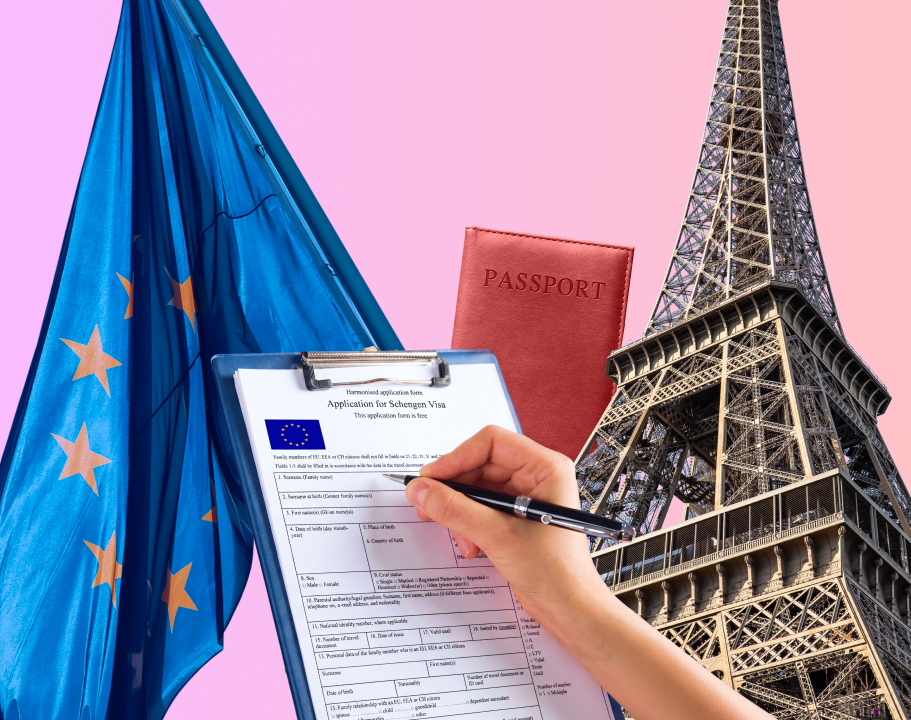
1. Complete the DS-160 application form in English.
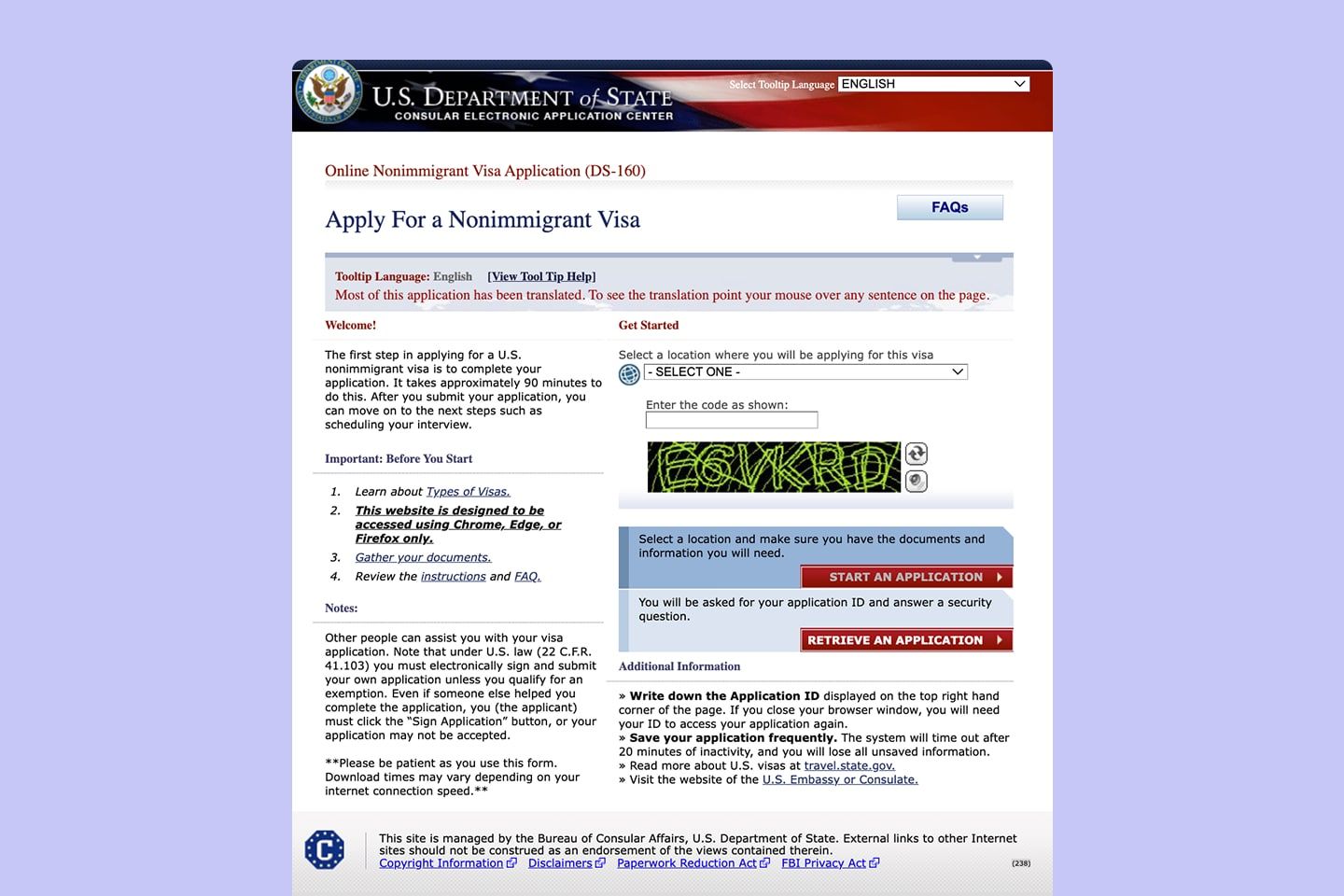
2. Set up an appointment via Visa Scheduling.
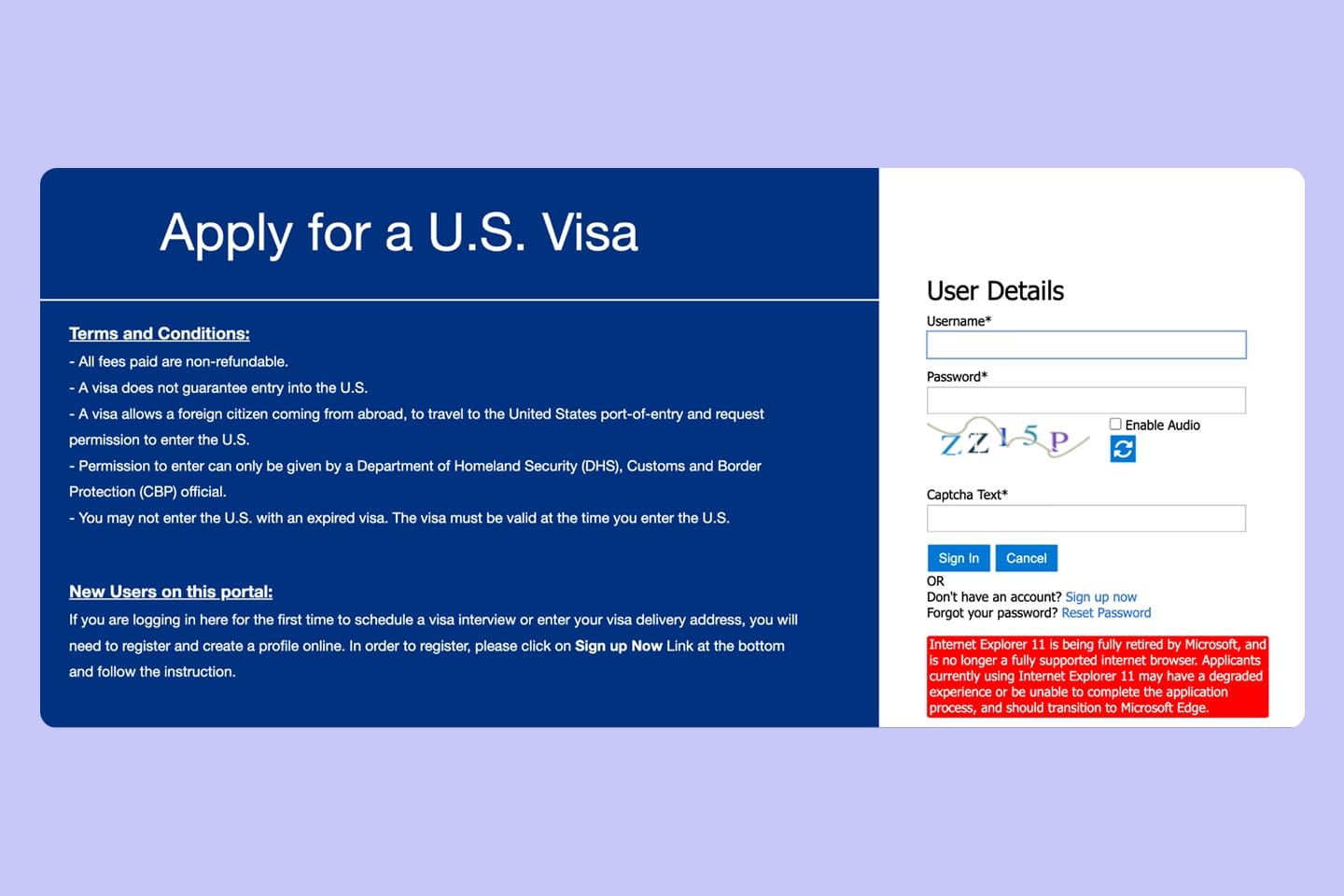
3. Pay visa fees.
4. Gather the necessary documents, depending on your visa type. You'll need proof of fee payment, your passport and a copy, and a passport-sized photograph, no matter the type you're applying for. All documents should be translated into English.
Tourist visa
To travel to the United States as a tourist, you'll need the B-2 visa. Aside from the basics like a copy of the passport, photograph, and a completed form, you should also provide proof of funds and a travel itinerary. Hotel reservations are sometimes required as well.
The fee for this type of visa is around QAR 674 ($185).
Transit visa
A transit visa is for those intending to be in the country for a short time while on their way to another country. As some nationals are exempt from obtaining the transit C-1 visa, you should first check whether you need it.
Documents are the same as for a tourist visa: passport and a copy, photograph, proof of payment, proof of funds, and travel itinerary.
The transit visa fee is about QAR 674 ($185).
Student visa
First of all, you need to get accepted into a SEVP-approved American university before applying. Aside from the regular form, you need to fill out the form I-20, provided by your college after you are admitted.
Then, you need to log on to the SEVP website to pay the SEVIS I-901 fee. You should print out a receipt and bring it with you to the visa appointment. Aside from the regular documents, bring copies of every fee you paid for, as well as records of your financial capability. The financial proof can be a bank statement from you, your parents, or any other sponsor or sponsoring institution, and the amount depends on your university fees.
You may also be asked to provide transcripts, degrees, and certificates from previous schools, standardized test scores, and your intent to leave the U.S. after you complete your studies.
The visa fee is about QAR 674 ($185), while the SEVP fee is around QAR 1,300 ($350).
Family and dependants visa
You can bring your family or dependents to the U.S. To do this, you'll have to file a petition with the USCIS on the beneficiary's behalf. Once you get approved, the petition is forwarded to the NVC for additional handling if authorized.
Aside from the usual documents, you'll need a marriage certificate, a birth certificate, evidence of financial assistance, and passport pictures of everyone coming to the U.S. Moreover, your family members also need a police clearance certificate, showcasing that they don't have any priors, and may need medical examinations.
The costs of a family and dependents visa depend on the number of checks that have to be conducted. The application itself is about QAR 1,400 ($385).
Work visa
A work visa must be sponsored by an American company and fulfill other eligibility prerequisites. To apply for it, you first have to find an employment opportunity and have an employer file a petition. The USCIS does not start the petition; your employer has to do so on your behalf using the correct forms.
Along with any regular supporting documentation, you also need a job offer letter and an employment contract with an American company.
Depending on the employer and employment type, visa fees and forms can cost between QAR 1,700 ($460) and QAR 5,000 ($1,385).
Immigrant visa
An immigration visa is for people who want to live permanently in the United States. Whether it's through family support, a job, or a diversity lottery, a U.S. sponsor must file the petition (Form I-130 or I-140) for a family or employment visa.
Apart from regular documents and forms, the sponsor needs to provide proof of means, accommodation, and evidence of relationship/employment. Furthermore, the applicant needs to take a medical exam at a licensed clinic.
U.S. immigrant visa fees range from QAR 1,185 ($325) and QAR 1,300 ($345).
Exchange visitor visa
An exchange visitor visa, also known as a J1 visa, is for those looking to go to the USA for internships, knowledge-sharing, and similar temporary opportunities. It’s a good chance to get experience in a job and to learn even more about American culture.
To apply for a J1 visa, you first have to find a U.S. sponsor approved by the U.S. Department of State to support your exchange program. Aside from the DS-160, you should also complete the DS-2019 form, provided by your sponsor. What's more, you need to pay the SEVIS I-901 fee on the SEVIS website. Don't forget to print it as you'll bring it to your appointment.
In addition to the regular documents, you'll likely have to provide proof of financial support and a training/internship placement plan.
The fee for this visa type is QAR 674 ($185), plus the SEVIS fee of QAR 800 ($220).
Visa pricing:
| Tourist visa | Transit visa | Student visa | Family and dependants visa | Work visa | Immigrant visa | Exchange visitor visa |
| QAR 674 | QAR 674 | QAR 674 + QAR 1,300 SEVP | QAR 1,400 | QAR 1,700–4000 | QAR 1,185–1300 | QAR 674 + QAR 800 SEVIS |
Do you need travel insurance for USA visit visa
While travel insurance isn't a mandatory USA visa requirement, it's advisable to get it, especially due to high healthcare costs in the country. There are specific USA travel insurance plans that provide protection during your entire stay.